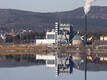
Hörneborgsverket, a biofuel-based cogeneration plant, is at the heart of Övik Energi’s energy production. Hörneborgsverket produces roughly equal amounts of district heating, steam, and electricity. Some 99% of the fuels used at the plant are renewable, and the steam is distributed to local industries. Cogeneration plants, also known as combined heat and power plants (CHPs), which use a single fuel source to produce both energy and heat, convert almost all energy into useful energy. This in contrast to conventional power plants, which release heat without using it.

Some 90 percent of Gothenburg’s apartment buildings are connected to the district heating network, a well-proven solution with a number of environmental benefits. But the district heating system has now been further improved using new technology to enable storage of heat for fluctuating needs. District heating was first introduced back in the 1950s and is a common energy solution in most Swedish cities and regions.
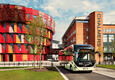
Tomorrow’s sustainable transport is well underway in Gothenburg. The city is launching a bus route with emissions-free vehicles powered by renewable electricity and an all-electric ferry offering quick, low-carbon public transport over the city’s river. ElectriCity in Gothenburg, Sweden, is an exciting collaboration and demonstration arena in which industry, research and society develop and test electrified solutions for tomorrow’s transportation of people, goods and waste.
Visit a showcase of innovative urban development. Until the 1960s, Gothenburg was the centre of manufacturing and development in one of the world’s leading shipyard industries. As the industry was dismantled, starting in the mid-1970s, vast dockland areas and industrial premises were abandoned and became available for new possibilities.
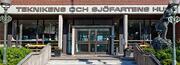
As a part of the FP7 project A2PBEER the technical museum in Malmö was retrofitted with new and innovative technologies increasing the energy efficiency. The building was constructed in the late 1950’s as a technology museum, which it still is today. No major alterations have been made to the building envelope since the 1950´s. During the A2PBEER project a series of retrofiting works was undertaken:
The Fossil-Free Energy District (FED) in Johanneberg Science Park in Gothenburg is a unique project that demonstrates how to create a local digital marketplace for electricity, heating and cooling and help reduce the use of fossil energy. FED, the Fossil-Free Energy District, is an innovative project aiming to cut the use of energy and dependence on fossil fuels in a local urban area. The district hosting the project is located outside the energy distribution concession and provides the opportunity to test and evaluate the possibilities of a local energy market.
Sweden’s National Geodata Strategy is based around five societal challenges that geodata – geographic data and information – will help to solve. Key elements of the strategy are: increasing collaboration; harmonising geodata standards; and making them open and available for both the public and private sectors. In consultation with the Swedish Geodata Council, Lantmäteriet (the Swedish cadastral survey) drew up a new Swedish geodata strategy for 2016–2020 and this has now been updated for 2021–2025.
The municipality of Växjö is a prime example of Swedish timber construction, with at least 50% of new buildings being built from wood as of 2020. Visit Växjö to see how and why wood is the way to increased sustainability. Växjö municipality has long promoted timber construction. In recent years, this has been developed into a general strategy, known as The Modern Wooden City, to reduce Växjö’s carbon footprint. The idea is to use wood as the main construction material, as it is the only completely renewable material.
The Augustenborg district in Malmö was ambitiously rebuilt to manage flooding problems and socioeconomic challenges. As a result of solutions based on ecosystem services, the area is now an attractive neighbourhood and an example of a successful sustainable makeover of an urban district. Malmö in southern Sweden is conducting strategic climate adaptation work focused on managing water issues and on securing ecosystem services. Augustenborg is an interesting example of successful climate adaptation in a neighbourhood.
Linero, a district of Lund in southern Sweden, is a successful smart city upgrade project focused on improving around 800 apartments built in the 1970s to create more energy-efficient, eco-friendly housing. Half of the buildings have been retrofitted as part of CITyFiED, an EU project based on a mix of demonstration technologies, renewable energy technologies and sound business models to achieve the sustainable development of cities. Energy efficiency measures include facade renovation, district heating, solar power, smart grid technology and a monitoring platform.