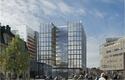
The Pennfäktaren office block, originally built in the 1970s, was ambitiously refurbished to make it one of Stockholm’s most modern and sustainable office buildings, achieving Sweden’s first LEED certificate. The building is centrally located in Stockholm, with 10 floors and a total area of 12,000 sqm. In 2005, the building was taken over by Vasakronan, Sweden’s largest property company, which started an ambitious refurbishment programme to modernise the building to create light, attractive office spaces and achieve environmental certification.
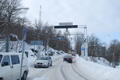
The introduction of congestion charges in Stockholm was one of the reasons why Stockholm was awarded “European Green Capital 2010”. The introduction has led to reduced traffic with about 20% and the air quality has been improved. <b> Varying charges </b>

From reusing construction material to utilizing energy-producing glass facades, the Center is designed to cut CO2 emissions and minimize impact on the environment and climate change. Stockholm Waterfront Congress Center features conference halls, offices and a hotel facility. Built in 2011 and spanning over 72,000 sqm, the Center is located between the Stockholm Central Station and the Stockholm City Hall. In the construction of the centre, a large part of material from the previous building was reused.

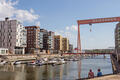
Derelict industrial premises from the era of shipyards have been transformed into an exciting mix of modern housing and renovated dockside buildings. The reconstruction of Eriksberg was made with the environment in focus. One interesting feature is the underground waste collection system.

Eriksberg is one of the first areas in the world using several fractions. It was started already in 1993 and is still expanding. When Eriksberg is complete the automated waste collections system will handle waste (food-, paper- and residual waste) for over 5000 apartments.

Efficient waste recovery by transforming waste to energy The Renova Waste-to-energy plant at Sävenäs is one of the most efficient plants when it comes to recovering energy from waste. The waste is burned in four furnaces and the thermal energy generated is then transformed into electricity and district heating. The flue gases from the combustion process are cleaned in several stages and are well within the EU’s requirements when emitted.

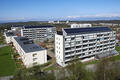
Gårdsten in Gothenburg shows how innovation, persistence, commitment, cooperation and participation can turn things around in a troubled urban district. Since Gårdstensbostäder was founded in 1997, crime has halved and 1,500 new homes with various forms of tenure are being built. Gårdsten has become something of a model for smart community development, and both Swedish and foreign visitors regularly come to study this recipe for success.

Greater recycling for a more resource-efficient society requires smart solutions for collecting and recycling materials. The Swedish region of Östergötland is where you’ll find several innovations in this field. Companies and residents in the Östergötland region are working together to optimise waste management and make it as sustainable as possible. The system starts with the residents, who sort their waste at source, which separates different material types, including paper, plastic, glass, metal and organic waste.

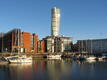
Malmö’s Western Harbour, previously a run-down shipyard and industrial area covering 187 hectares, is now a vibrant ‘city within a city’, with a university, around 10,000 residents and more than 16,000 people working there (figure from 2016). The area has its own systems for managing its energy supply and waste treatment, and car traffic in the area has been minimised as an environmentally sustainable approach to urban planning and mobility.

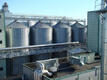
The small island of Händelö, which is part of the City of Norrköping in eastern Sweden, is home to a remarkable industrial symbiosis in which by-products from one company are used as input for neighbouring companies Everything at the site is based around using green energy. Händelö Eco Industrial Park is a unique network of companies sharing resources. It’s a great example of industrial symbiosis, which means that waste or by-products from one industry become inputs or raw materials for neighbouring businesses.

Mechanical biological treatment is located in "Piejura" waste management region, Latvia. Mechanical sorting technology for municipal waste is under the development that suits the existing conditions.