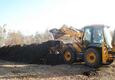
Development and improvement of the effectiveness of landfill/biogas collection by improving the isolation of the biocells at the biggest landfill site in Latvia, Getlini, located close to Riga city. The aim of the project is to further develop and improve the effectiveness of landfill/biogas collection by improving the isolation of the biocells at the biggest landfill site in Latvia, Getlini, located close to Riga city. About 300,000–400,000 tonnes of municipal solid waste is disposed every year in this landfill. Getlini landfill receives waste from Riga city and region.
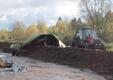
Malpils Biotechnology Centre is involved in biowaste treatment using the method of vermicomposting and production of organic fertiliser from it. The idea is development of biowaste treatment using the method of vermicomposting and production of organic fertiliser from it.
The technical realisation of the project can be divided into four main parts – collecting the biowaste; composting the biowaste; feeding the compost to the earthworms to produce the fertiliser; attaining the fertiliser.
Attaining the quality of ready-made compost in the composting of green waste by using different composting approaches. The sorting and processing complex run by "Meliorators-J" receives biological waste consisting of green waste. This waste is composted. The company is striving to attain the quality of ready-made compost in the composting of green waste by using different composting approaches.
Approach no. 1
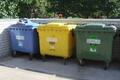
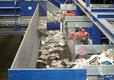
Development of a more effective waste management system, improvment of waste sorting, recycling and environmental quality in region of Riga (Latvia) Municipalities in Latvia are not directly involved in the development of technologies or the infrastructure for waste management, but municipalities are, according to regulations, obligated to coordinate and organise the waste management system and its development in their administrative territory.
Increase of the waste paper recovery capacity in Estonia by using waste paper to produce universal packaging materials and other products. Approximately 100,000 tonnes of waste paper and cardboard is generated annually in Estonia. So far, only about one third of it is collected and recycled. Opportunities to recycle waste paper are very limited in Estonia. Therefore, most of the waste paper collected is recycled outside of Estonia.
Use of waste glass to produce glass wool. Approximately 40,000 tonnes of glass waste of various types is generated annually in Estonia. Most of this glass waste is landfilled or downcycled to low-quality products (concrete products, filling material etc). The aim of the planned project is to use waste glass to produce glass wool. The plant is designed based on new and proprietary technology which melts the glass electrically and forms fibres from it. As such, this technology would be unique in Estonia.
The process consists of the following main phases:
Development of additional capacity for waste plastic recycling in terms of producing final products. The aim of the planned project is to develop additional capacity for waste plastic recycling in terms of producing final products. The investment in new technology will allow manufacturers of plastic pipes and fittings to use both the internal production waste as well as plastic waste collected externally in the production of professional sewage pump floors.
Increase and upgrade of the glass waste recycling capacity for the production of glass bottles. Approximately 40,000 tonnes of different glass waste is generated annually in Estonia. Most of the glass waste is landfilled or downcycled to low quality products (concrete products, filling material, etc.). Only a small amount of glass waste is used to produce glass bottles. The Bottle and Glass factory is the only glass-bottle manufacturer in the region (in the Baltic States) that is able to recycle most of the glass waste collected in the region.
Increase of the capacity for recycling waste plastic in terms of producing final products. The aim of the planned project is to increase the capacity for recycling waste plastic in terms of producing final products (various plastic products). The technical goals of the project are to improve all of the fine plastic plant's production lines by adding an automated grinder, blender and measuring system, together with a robotic arm, to the production cycle, ensuring that a significant amount of processing waste will be sent back to the production line.
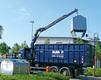
Improvement of the source separation and treatment of ship-generated biowaste in the Port of Tallinn. The project developer is AS Green Marine, which is responsible for providing waste management services for all ships visiting the Port of Tallinn. The aim of the project is to improve the source separation and treatment of ship-generated biowaste in the Port of Tallinn.