The construction and property industry are radically changing as digitalization and new technology sweeps over the sector. Meet Nordic Contech and Proptech Stockholm to learn about Swedish startups and how they already impact globally. The quick pace and transitional power of digitalization is redefining industries and the construction industry is no exception. The Contech and Proptech scene in Sweden is strong with several interesting companies, from startups to established global players.
Älvstaden is the largest urban development project in the Nordic region, aiming to create an inclusive, green and dynamic inner city. Its ambitious sustainability goals include not only environmental aspects, but also a focus on social and economic integration. With a plan to transform the heart of Gothenburg into an inclusive, green and dynamic inner city, the aim is to revitalise the centre and link the Frihamnen port area with the rest of the city. A key focus is to reduce the differences in living conditions for residents.
The new city district of Oceanhamnen in Helsingborg has created a solution for separating and recovering different kinds of waste water and food waste at source. This leads to sustainable reuse of resources through Sweden’s first recovery plant, Reco Lab. Like many other cities, Helsingborg in southern Sweden is growing fast. As part of the H+ project, the city is transforming the old harbour and industrial zone into new residential areas.
Virtual meetings are sometimes a necessity, and sometimes the prefered option. Meetings online can save both time and money, at the same time as it reduces the environmental impact by limiting travels. In the project REMM, a step-by-step guide has been developed to make virtual meetings easier and smoother. During the last decade, an extensive process of digitization implementation has been underway in Swedish public agencies.
Extended Producer responsibility (EPR) is a governmental policy and a Swedish law that aims to better waste management and collection. The Swedish system shifts the waste management cost or physical collection fully from local governments to producers. The policy applies to different goods such as packaging, newsprint, electronic products, batteries, tires, end-of-life vehicles, pharmaceutical waste, stray radioactive products and radioactive sources.
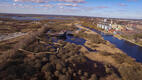
In Kristianstad, one of the most polluted areas in southern Sweden has been decontaminated as part of a project to achieve a toxin-free environment. Toxins were reduced by 99.9% and the area is now the development site for a new residential district. Most countries and cities have areas that are contaminated by substances that are hazardous to wildlife, people and the environment.
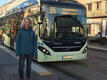
Geofencing is a virtual geographical perimeter that helps create green zones where vehicles have their speed limited digitally and automatically switch to electric drive where appropriate. This technology is being trialled in Gothenburg as part of a more sustainable transport system. Sweden’s City of Gothenburg aims to be a driving force in smart, digitalised transport. One of the city’s many interesting projects is the testing of geofencing on a bus line operated by electrical and hybrid vehicles. Within the geofenced zone, smart vehicles can be limited or controlled to some extent.
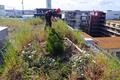
The BiodiverCity project in Malmö demonstrates the benefits of green roofs and other green areas in urban environments. Not only do they promote wellbeing, but they also help increase biodiversity and other important ecosystem services. When it comes to biodiversity, cities today are like deserts because of the scarcity of green areas where wildlife can live. Cities also become heat traps during heatwaves, making it hard for many species to survive. Another urban problem is the lack of areas where rainwater can seep into the soil and be part of the natural water cycle.
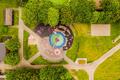
In the Drottninghög neighbourhood of Helsingborg in southern Sweden a transformation is underway, from a run-down district to an attractive, sustainable part of the city. This change is based on close dialogue between residents, real-estate companies and the City of Helsingborg. The project started with numerous discussions with one-third of Drottninghög residents. More than 300 interviews were carried out, with the purpose of collecting and listening to people’s preferences, needs and hopes about their neighbourhood and environment.
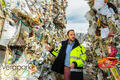
By unlocking traditional business models within waste management, Verapark is an innovation platform in which the business sector, the public sector and universities collaborate to develop new ideas for recycling and upcycling waste. With a vision to become the leading European centre for the circular economy, Verapark is changing the way we think about waste. Verapark is an incubator organisation for environment-related development and innovation, aiming to develop new products from waste and residual material.