In southern Zimbabwe’s Gwanda District, semi-arid scrublands give way to vast mopane woodlands, their butterfly-shaped leaves glinting silver in the sun. Twice a year they burst with life as millions of caterpillars, the mopane worm, emerge. This little green creature is a delicacy in local cuisine, rich in protein and prized as one of the most important sources of rural income. Yet the way they are harvested and processed has long threatened not only the forests, but also the people who depend on them.
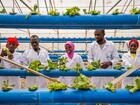
In the heat of northern Nigeria’s drylands, an agricultural transition is underway. A greenhouse is providing food and safety where parched soil and rising competition for arable land and water are fueling tensions between farmers, nomadic herders and armed groups like Boko Haram. Using no soil and a fraction of the water, solar-powered greenhouses now nurture lush rows of lettuce, tomatoes, cucumbers, and peppers in a place where, until recently, nothing grew.
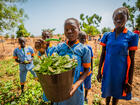
Under the relentless sun in the parched plains of northern Cameroon, where seven in ten families teeter on the edge of food scarcity, students and women are coaxing green crops from dry earth, proving that nature-inspired farming can make degraded drylands bloom again.
The UNFCCC Technology Mechanism comprises the Climate Technology Centre and Network (CTCN) as its implementation arm and the Technology Executive Committee (TEC) as its policy arm. Together, the CTCN and TEC deliver the Technology Mechanism Joint Work Programme (2023–2027). National Designated Entities (NDEs) serve as countries’ focal points for technology development and transfer: they are designated by Parties to manage all technology collaboration activities at the national level undertaken under the CTCN and TEC.