News facts
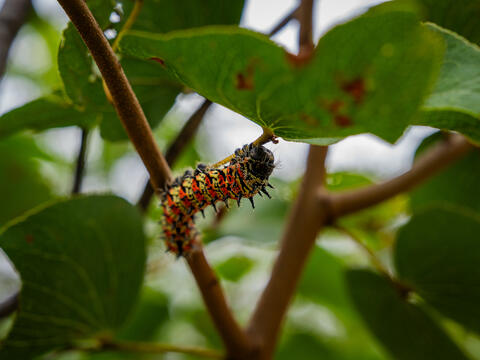
In southern Zimbabwe’s Gwanda District, semi-arid scrublands give way to vast mopane woodlands, their butterfly-shaped leaves glinting silver in the sun. Twice a year they burst with life as millions of caterpillars, the mopane worm, emerge. This little green creature is a delicacy in local cuisine, rich in protein and prized as one of the most important sources of rural income. Yet the way they are harvested and processed has long threatened not only the forests, but also the people who depend on them.
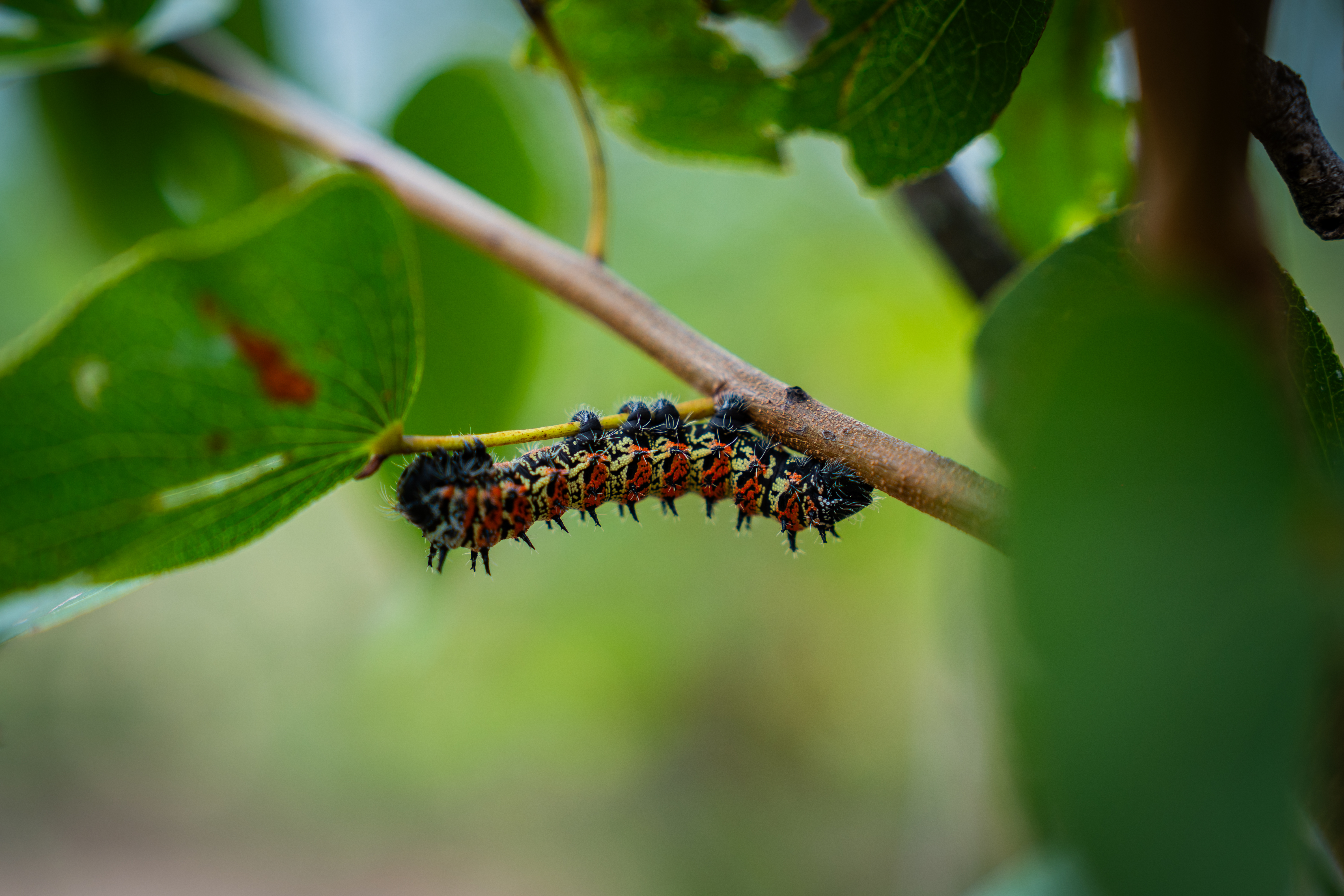
Photo credit: UN CTCN/Miranda Rikki Tasker
For generations, women have trekked deep into the mopane forests to collect the mopane worms. Harvesting is hazardous: fires often break out, and predators prowl nearby. “Out there in the forest, there are dangers of being attacked by wild animals […] snakes, hyenas, leopards,” recalls Aquillah Siziba, a youth member of the local cooperative.
Once collected, the mopane worms are smoked and dried inside the woodlands over open fires to preserve them. The practice consumes vast amounts of firewood and can cause wildfires.
In 2017 alone, Gwanda harvested 500 tonnes of mopane worms, around 97,500 buckets. Each required half a cubic metre of firewood, consuming nearly 50,000 cubic metres in a single year. The impact is stark: woodlands have been stripped, leaving scars on the land. Without trees to hold the soil, rivers are silting up into long stretches of sand, and the mopane worms themselves decline as their habitat disappears.
“The trees have been deforested, especially the Mopane trees. [...] That’s why the Mopane worms are now few, because they have no Mopane trees to feed on,” explains Mkubo Ndlovu, Senior Headman of Garanyemba Community.
Women, who form the backbone of the mopane trade, have borne the heaviest burden. Nights spent far from home in the forests exposed them to danger. “By drying them out there, some are being bitten by snakes, others are being raped, others are even being burnt… But now, there’s going to be a change. I come here, I dry my Mopane worms, no more dangers,” says Nyathi Ntombizodwa, Secretary of the Lifalethu Cooperative.
With support from the Climate Technology Centre and Network (CTCN) and the Government of Zimbabwe, a modern solar-powered drying facility for processing the mopane worms has been established in the village of Garanyemba near Gwanda. The facility, run by the Lifalethu Cooperative, provides a safe, clean alternative that protects both forests and families. Of its 30 members, 22 are women, clear evidence of how deeply this innovation resonates with them.
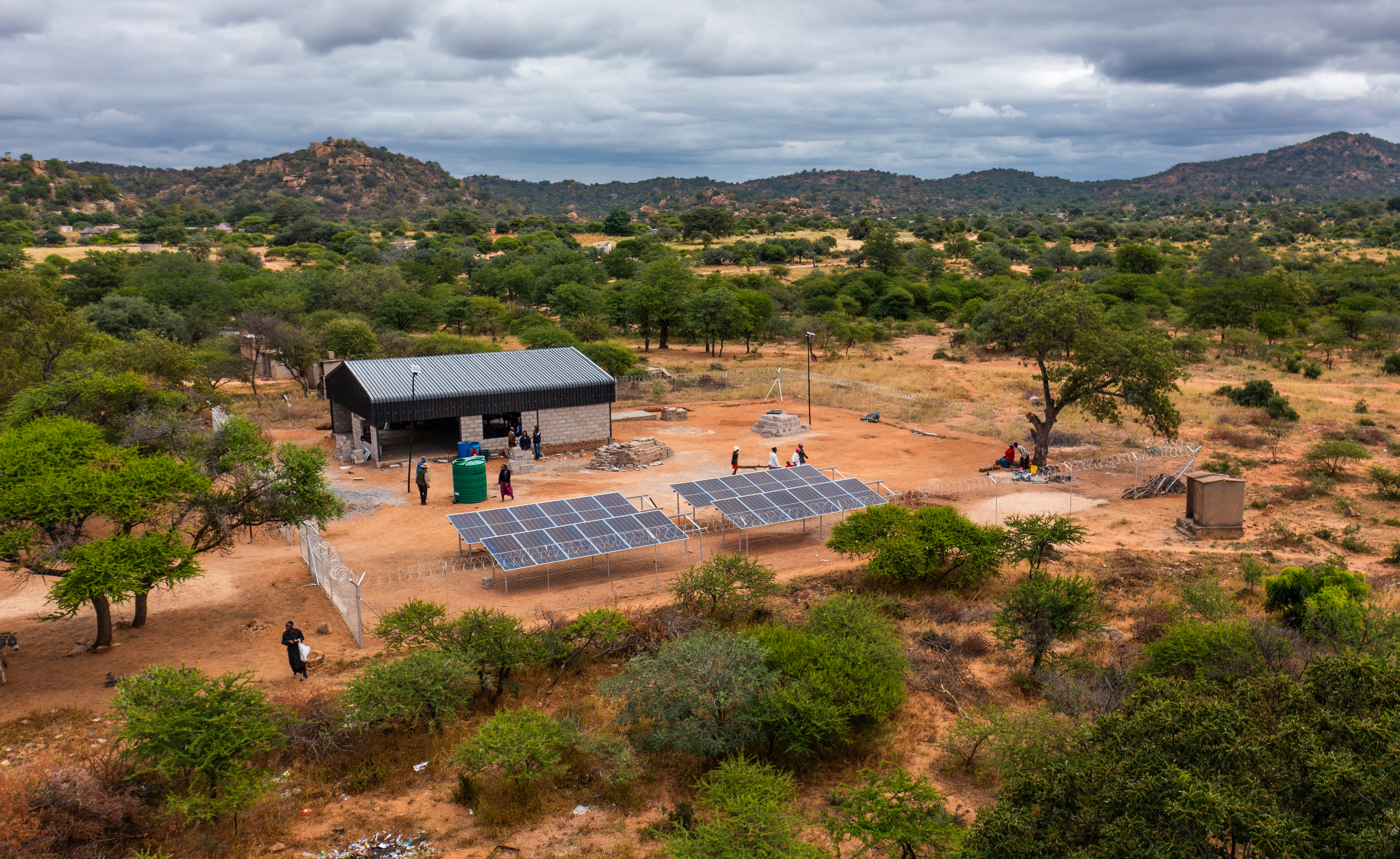
Photo credit: UN CTCN/Miranda Rikki Tasker
The dryer is powered entirely by the sun, offering a controlled environment where sudden rains no longer spoil harvests. What once took three days of smoking now takes just ten hours. “We used to stay for a long time harvesting them, drying them there. But right now, it’s safer and faster,” adds Aquillah Siziba with relief.
By cutting the need to burn wood, the dryer also cuts greenhouse gas emissions. With farming forest fires and deforestation responsible for more than half of Zimbabwe’s national emissions, solutions like this directly confront one of the country’s biggest climate challenges.
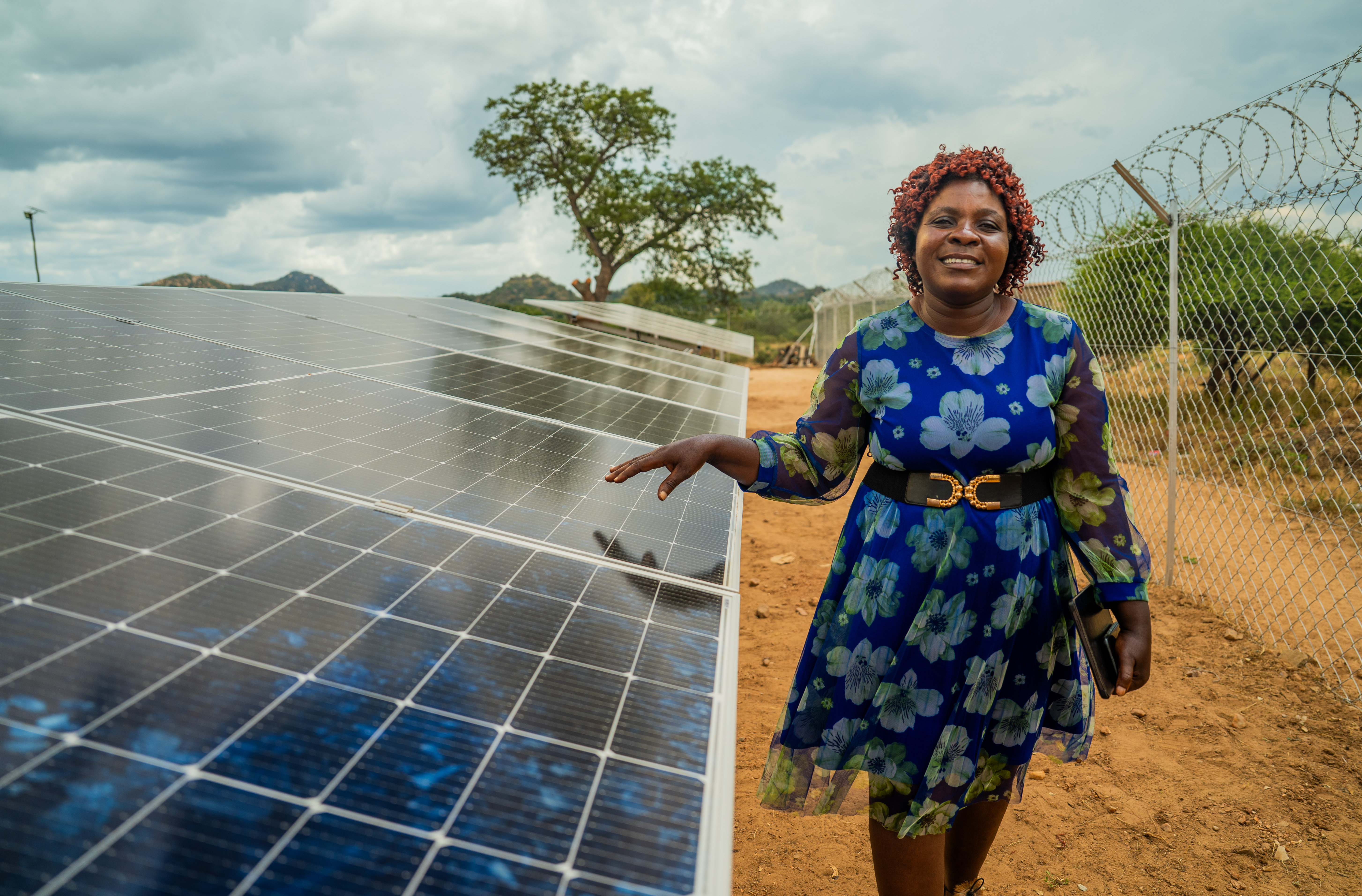
Photo credit: UN CTCN/Miranda Rikki Tasker
And in a rural community where grid power may come only once a week, or even once in two, the off-grid system is a vital step toward energy independence.
The women of the Lifalethu Cooperative are already taking the dryer further than the project first imagined. What began as a tool for processing mopane worms is quickly becoming a multipurpose hub, drying fruits, vegetables, and nuts. In one of Zimbabwe’s driest districts, it is opening the door to new products that diversify diets and strengthen community health, while creating income all year round. “We as women are looking at different projects, and the first project we have identified is baking,” shares Nyathi Ntombizodwa with excitement.
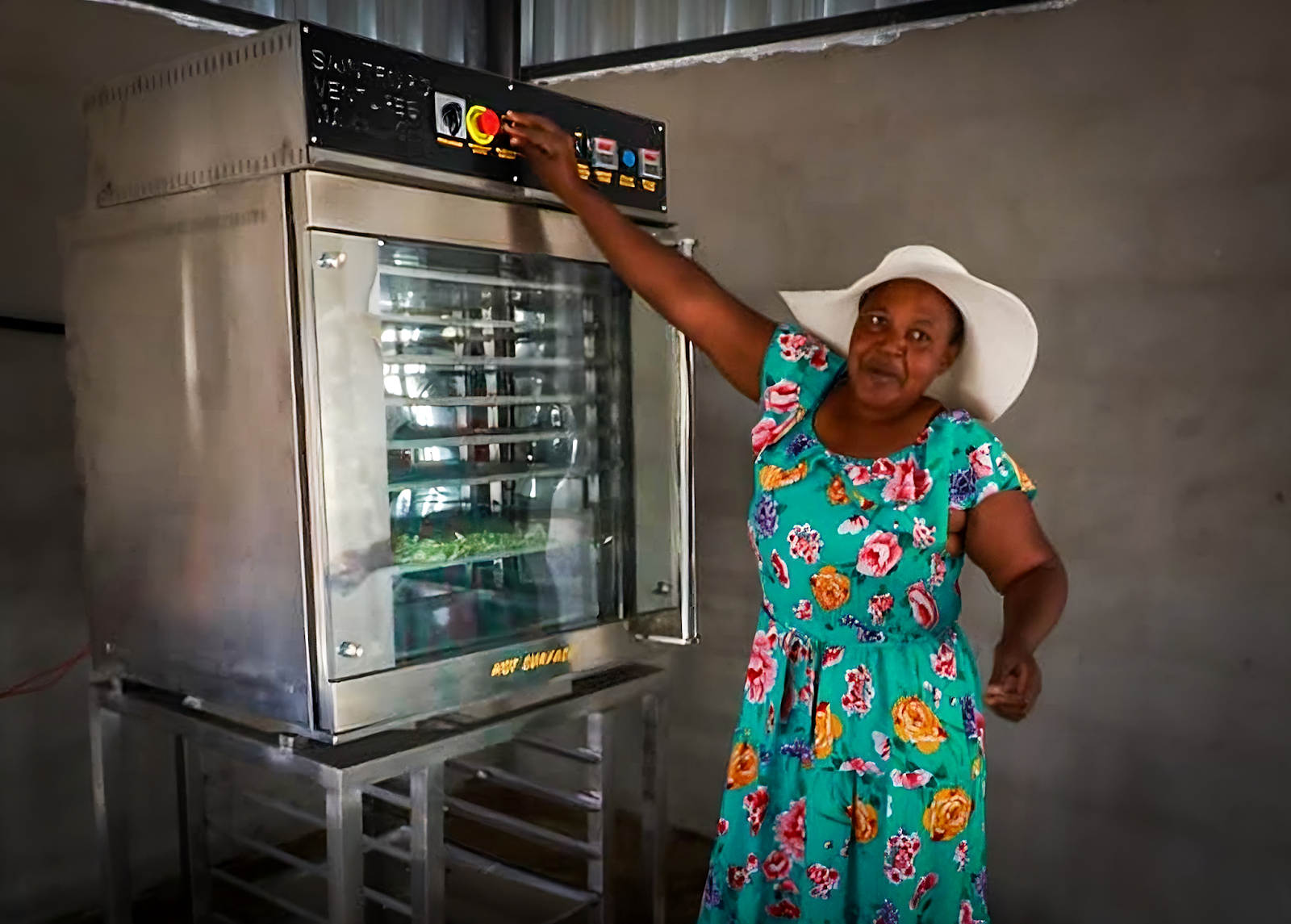
Photo credit: Kuda Pedzisai
Local leaders like Miclas Ndlovu, Councillor of Ward 13 in Gwanda, see wider potential. “We’ve got a lot of natural resources that we are going to process here, and we want to package them here. The marula, the umnyi, the baobab and everything. We are centralizing all these activities. It will be a multi-purpose infrastructure.”
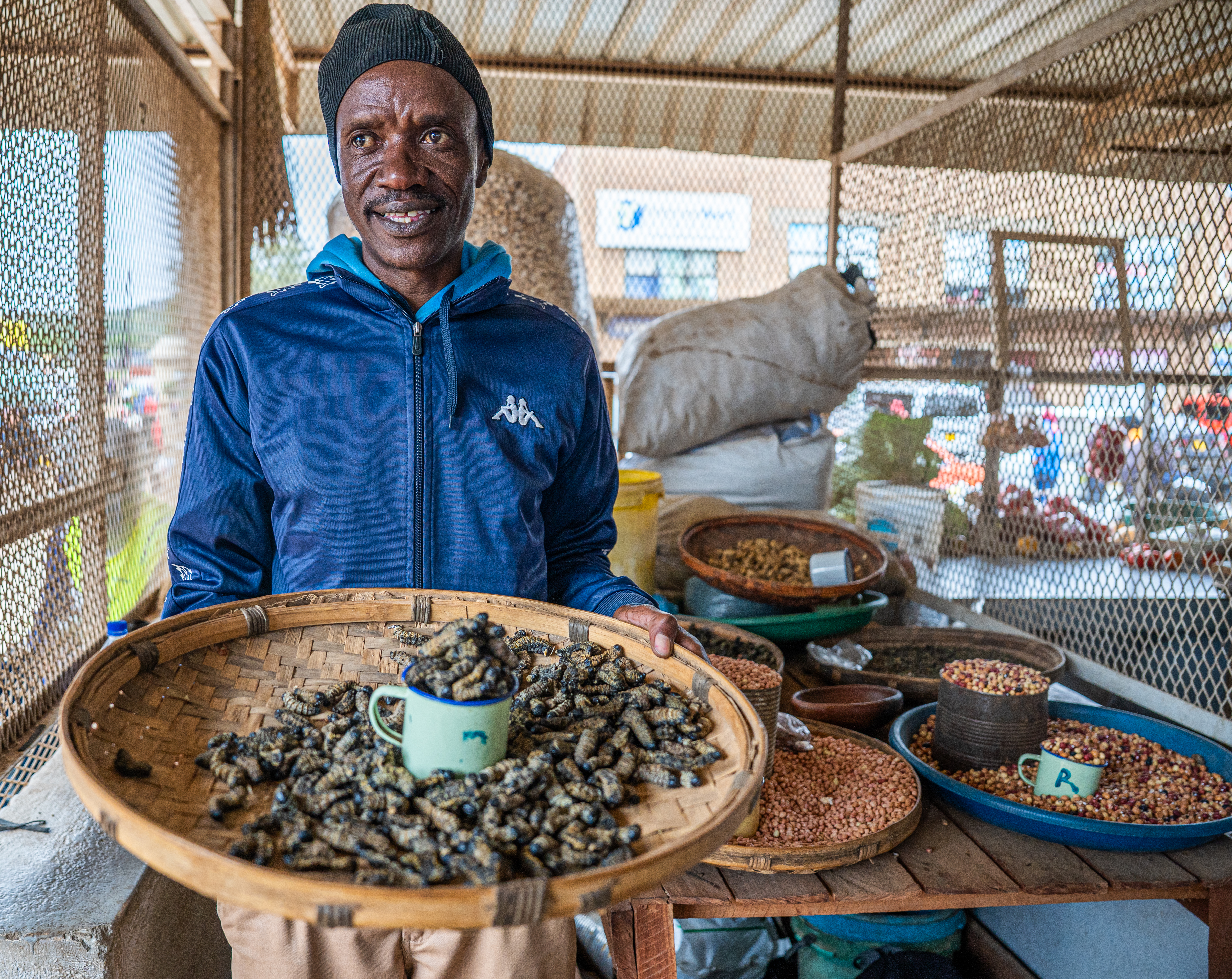
Photo credit: UN CTCN/Miranda Rikki Tasker
By centralising production, packaging locally and avoiding middlemen, the cooperative is cutting costs and travel, while positioning itself for bigger markets. “We are going to sell locally, nationally, or even as far as the sky can reach,” exclaims Councillor Ndlovu with pride.
“When those people from far away hear that there’s a place where they can get mopane worms in large quantities, I’m sure they’ll come here [...] The community will be stronger,” reflects Aquillah Siziba.
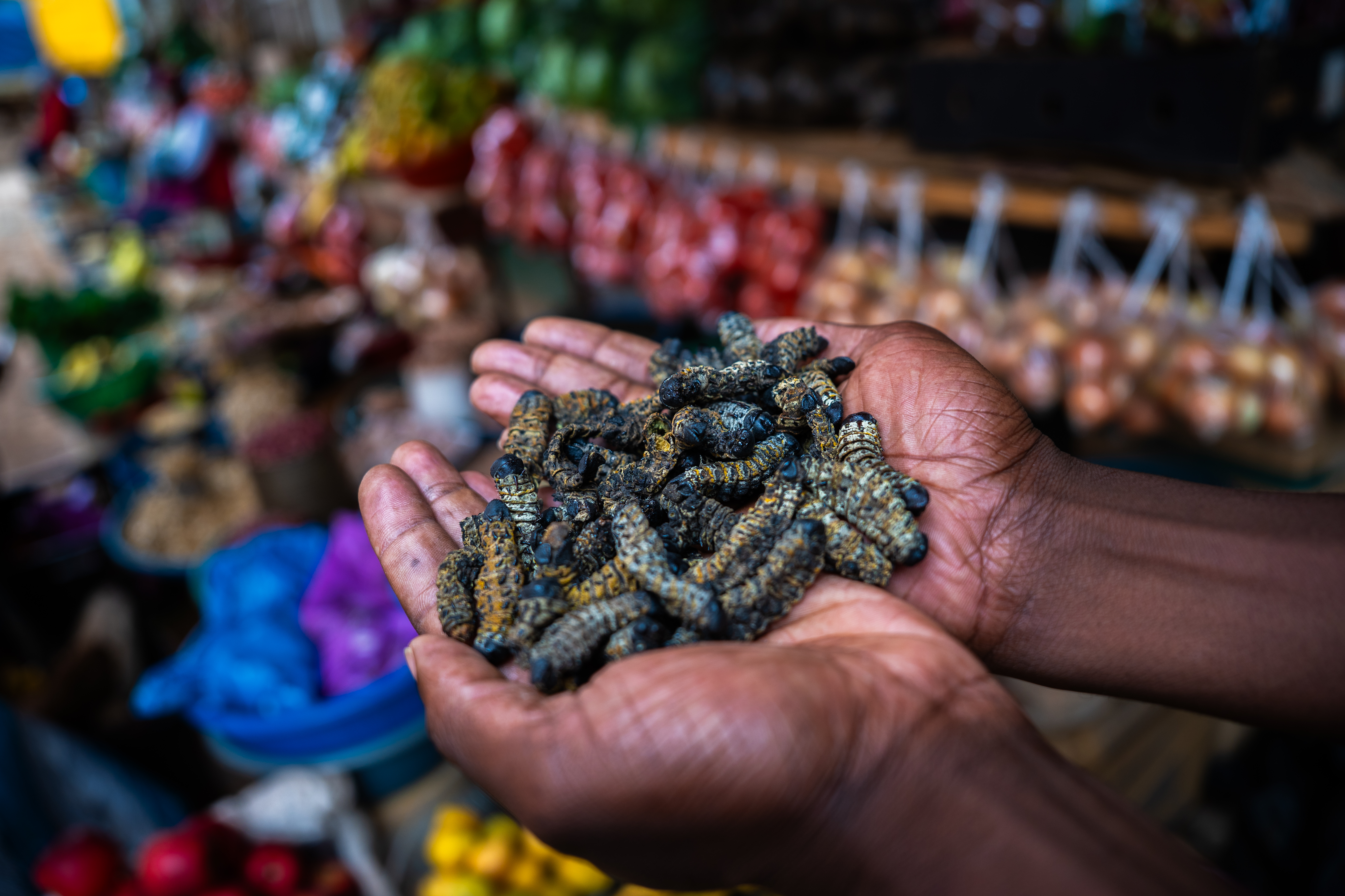
Photo credit: UN CTCN/Miranda Rikki Tasker
For community leaders, the change brings dignity. “I see our growth, it has brought great honor. Even if I am walking around my village I walk with my head high. I feel honored,” says Headman Mkubo Ndlovu.
For women especially, the change is transformative. “I can say that technology has taken all the burden that we are carrying as women […] When people are together, they share profit, and those profits will help them as women to sustain their families,” notes Nyathi Ntombizodwa.
In a place where climate shocks can wipe out an entire season’s work, the solar dryer is turning fragile harvests into reliable products. By creating variety that can be sold or eaten throughout the year, it makes families more resilient to a changing climate. The project shows how climate technology can turn survival into resilience, and resilience into opportunity.
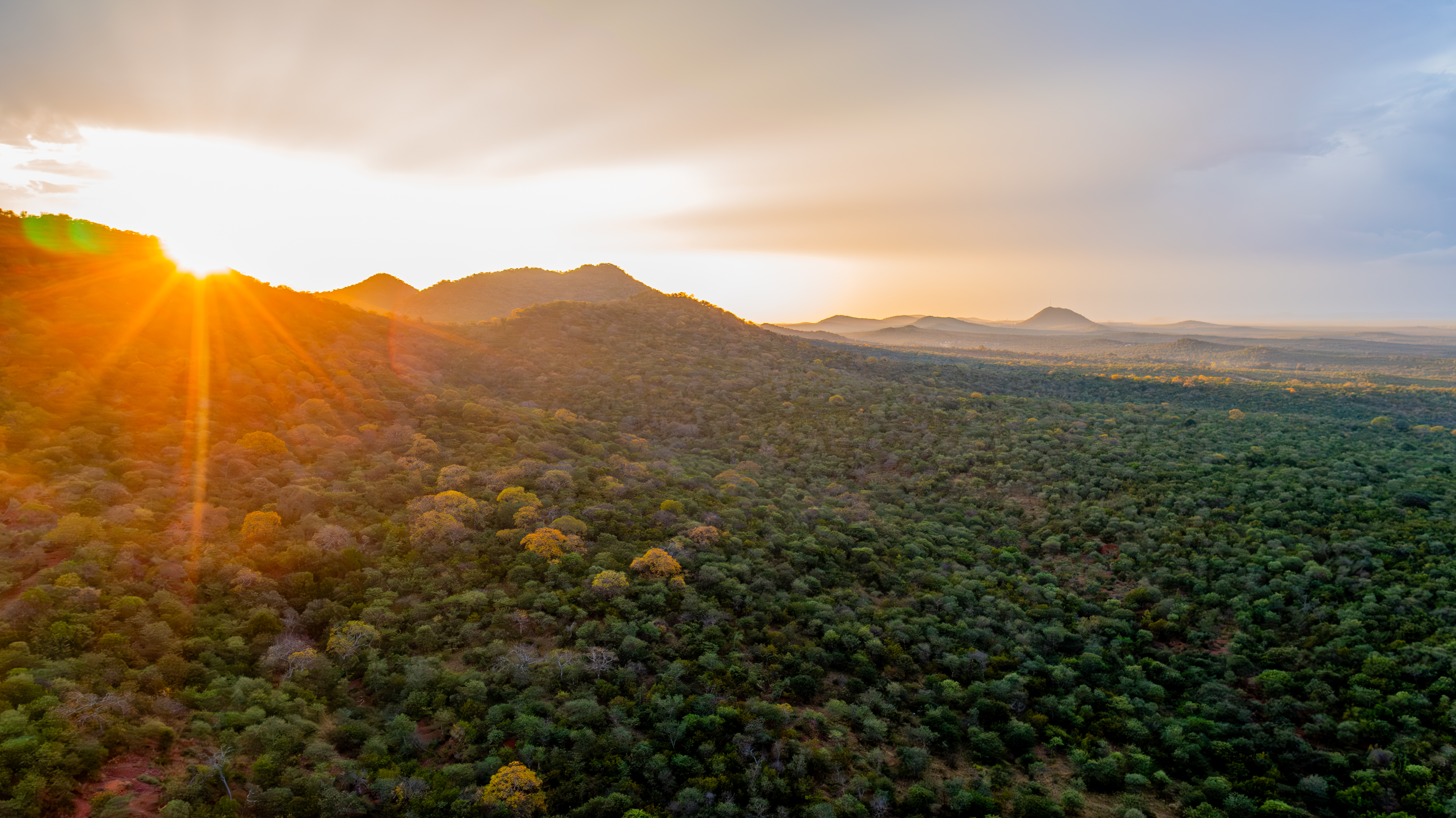
Photo credit: UN CTCN/Miranda Rikki Tasker
Already, the pilot in Gwanda is sparking interest in neighbouring districts. From protecting forests to easing women’s burdens, from safer harvests to stronger markets, it demonstrates what is possible when clean energy meets local ingenuity. What once relied on fire and risk now runs on sunlight, lighting the way toward a resilient future.