
News facts

Message from the Director
2025 has been a highly productive and meaningful year for the UN Climate Technology Centre and Network (CTCN). With the valued support of our partners and donors, we successfully concluded two flagship programmes — AFCIA Phase I supported by the Adaptation Fund and the EC-funded Climate Change and Security Programme — delivering tangible results for communities and people on the frontlines of climate change. We are pleased to share how these initiatives have translated climate technology into real-world impact, strengthening resilience and livelihoods in climate-vulnerable contexts below.
Beyond programme delivery, 2025 marked several important milestones for CTCN. We convened Small Island Developing States for the first time in a dedicated dialogue focused on how the most vulnerable countries can harness climate technologies to address escalating climate risks and build long-term resilience. Also, CTCN-supported Gender Just Climate Solutions celebrated its first tenth anniversary, empowering women’s leadership, and promoting gender-responsive technologies across our network.
At the global level, a landmark decision by UNFCCC Parties at COP30 in Belém to extend the mandate of the CTCN until 2041, while expanding its functions, sends a powerful signal. It demonstrates that multilateralism is working and reflects strong trust in international cooperation on climate technology, as well as confidence in CTCN’s mission to support developing countries.
As we look ahead, we remain deeply committed to working in close partnership with donors, partners, and technology stakeholders worldwide. Together, we will continue to accelerate the development and transfer of climate technologies that help countries meet the challenges of a changing climate and build a more resilient and inclusive future.
Happy Holidays!
- Ariesta Ningrum, Director, UN CTCN
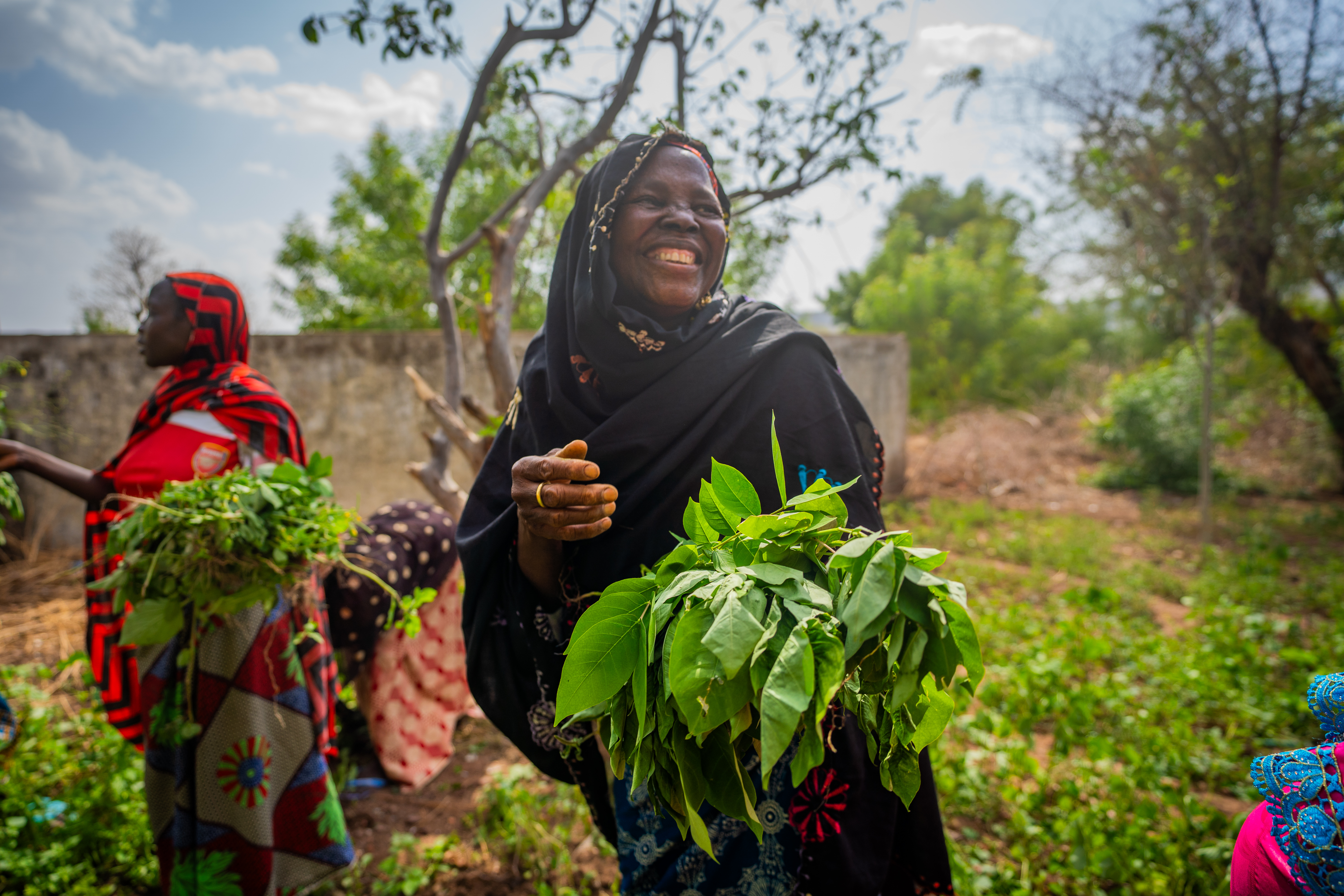
700 kilometers north of the capital Yaoundé, five hundred students and dozens of women farmers are breaking new ground with Cameroon’s first synecoculture initiative. This farming method mimics natural ecosystems by growing diverse, edible plants densely and without chemicals, or tilling. By covering the ground with a variety of plants and avoiding mono cultures, the resilience of the soil grows and yields increase.
“Even in the dry season, we can grow crops. We can cultivate, produce, and sell. Is there anything better than that?!” exclaims Asta Jeanne, President of the Femmes Guidar de Figuil Association.
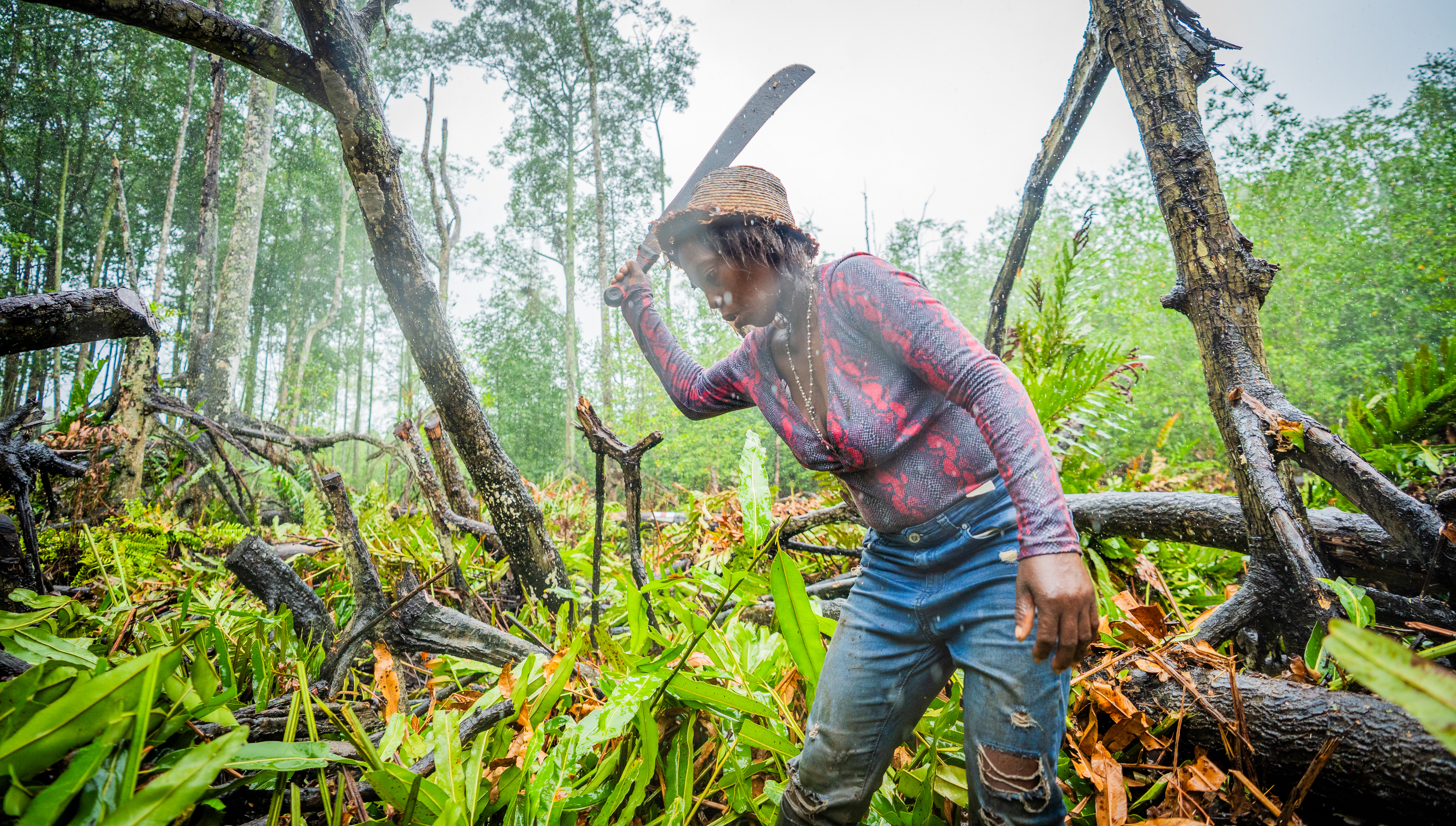
Colombia - As climate fallout intensifies, Colombian towns turn to an old friend: mangroves
On Colombia’s remote Pacific coast, the community of Cuerval is restoring its lifeline: mangroves that shield against storms, sustain fisheries, and support local livelihoods. Decades of deforestation, illegal mining, and climate-driven erosion have weakened these vital ecosystems, prompting residents to partner with CTCN and the Regional Autonomous Corporation of Cauca through Cuerval Sostenible. By combining traditional knowledge with modern tools like drones and satellite mapping, the initiative is restoring degraded mangroves, reopening waterways, and promoting sustainable harvesting practices.
For families who rely on mangroves for food, shelter, and income, these efforts are not just about conservation - they are about survival and resilience in a changing climate. Discover how Cuerval’s innovative approach is turning the tide for both people and nature.
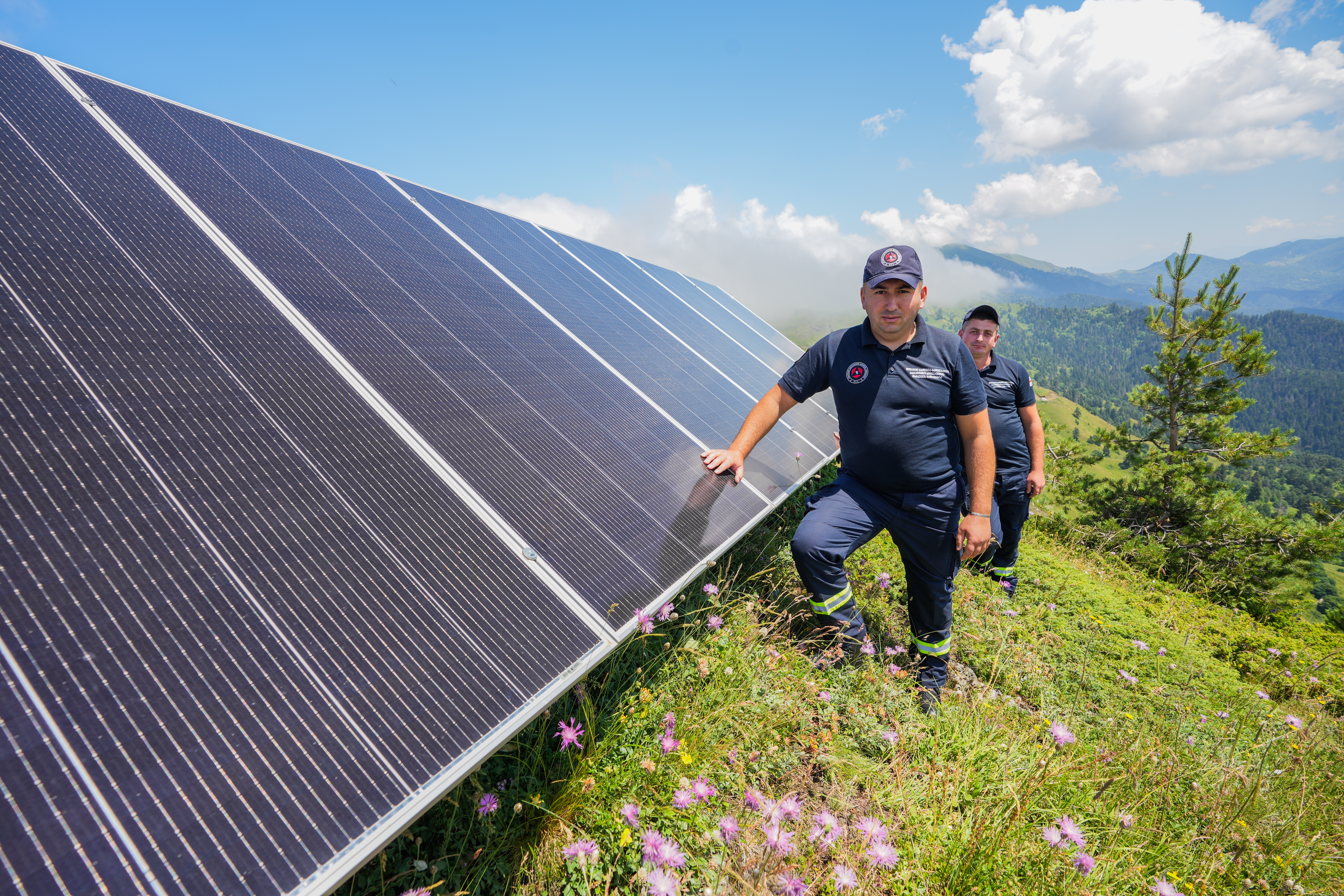
The Borjomi-Kharagauli National Park in Georgia faces threats from uncontrolled forest fires, exacerbated by climate change. This project implements an integrated monitoring and early warning system for forest fire detection using innovative remote sensing tools. This aims to protect the park's ecosystems and biodiversity by enabling timely and effective fire prevention and response, enhancing the resilience to climate-related hazards.
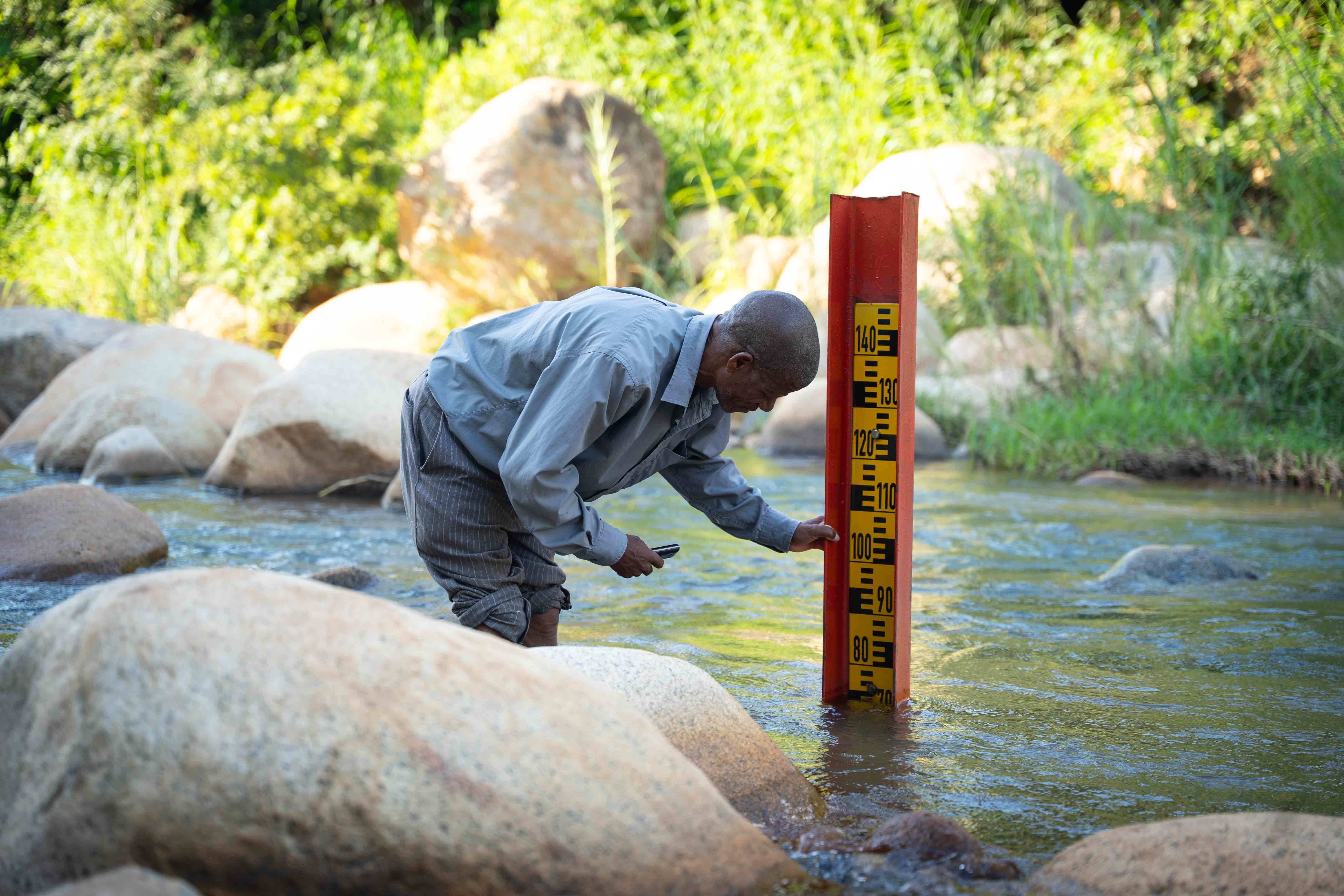
Malawi saves lives, using digitization and AI to understand flood risks
A new Malawi story tells how Stephen, a community water observer, is helping build resilience against climate disasters. For three decades, he has measured the Phalombe River twice a day, providing vital data for Malawi’s climate database. Until recently, his notes were recorded on paper and collected only monthly, delaying crucial information needed for forecasts and disaster response.
Thanks to a UN CTCN project supported by the Adaptation Fund, Stephen and more than 100 other observers across Malawi are now digitizing their rainfall and river readings in real time. These timely updates are strengthening early warning systems, supporting farmers, and helping protect communities in one of the countries most vulnerable to floods, droughts, and cyclones.
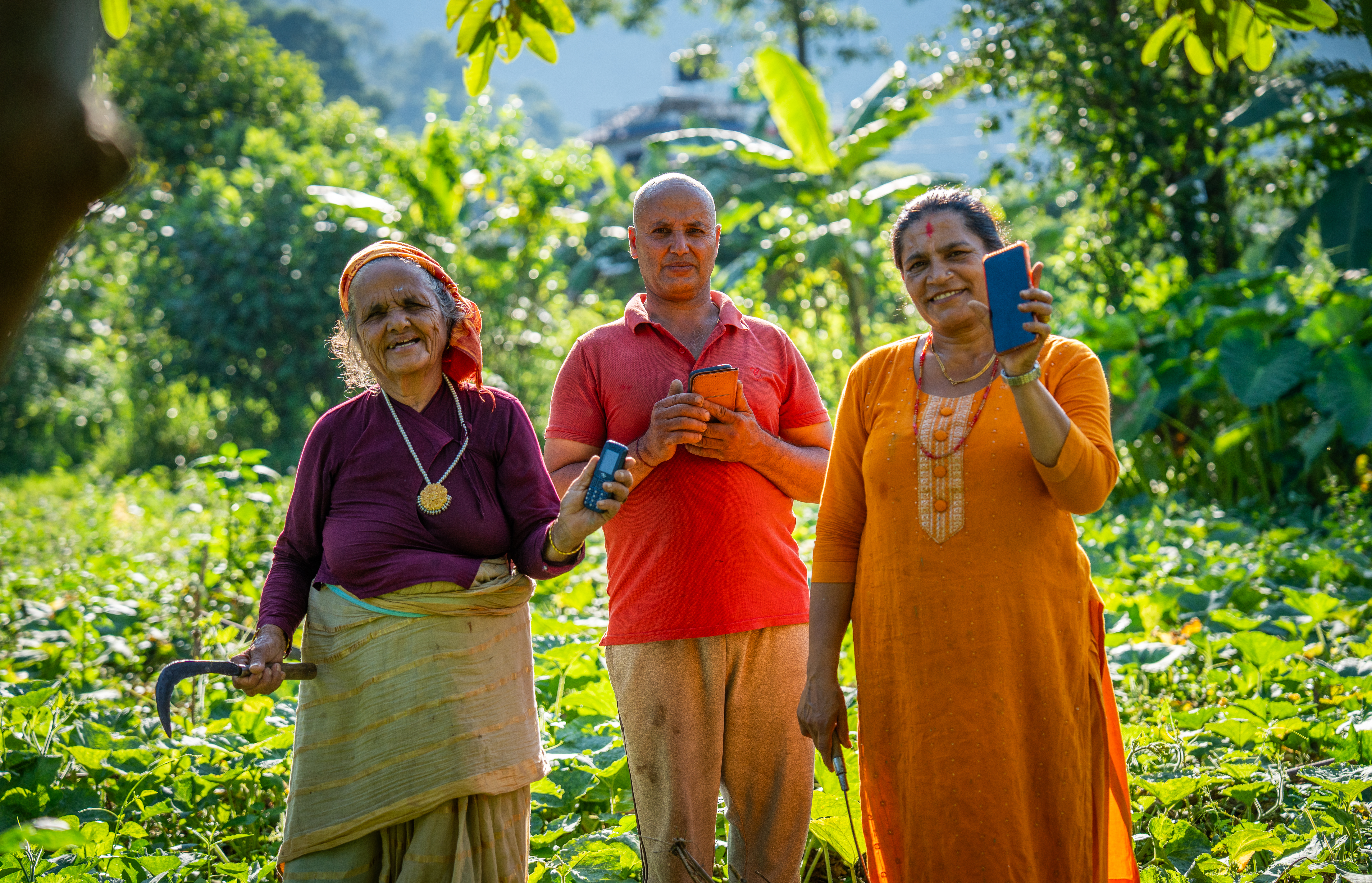
Nepal - Growing food without fear: Hydroponics sows peace where soil fails in Northern Nigeria
Nepal’s landscapes shift from subtropical plains to Himalayan peaks in a matter of miles – and its weather changes just as quickly. As climate change intensifies, farmers face rains that come too hard, too late, or not at all, along with landslides and floods that can wipe out months of work overnight. To help communities stay ahead, Nepal has introduced an AI-powered early warning system in three pilot areas, using three decades of local weather data to generate practical, farm-ready advice on when to sow, irrigate, fertilize, manage pests, or delay harvest. Delivered automatically every three days via SMS, WhatsApp, or email, these forecasts give farmers the information they need – often faster than the storms themselves. If scaled, the system could reach millions, showing how ministries, scientists, and farmers can build resilience together, one forecast at a time.
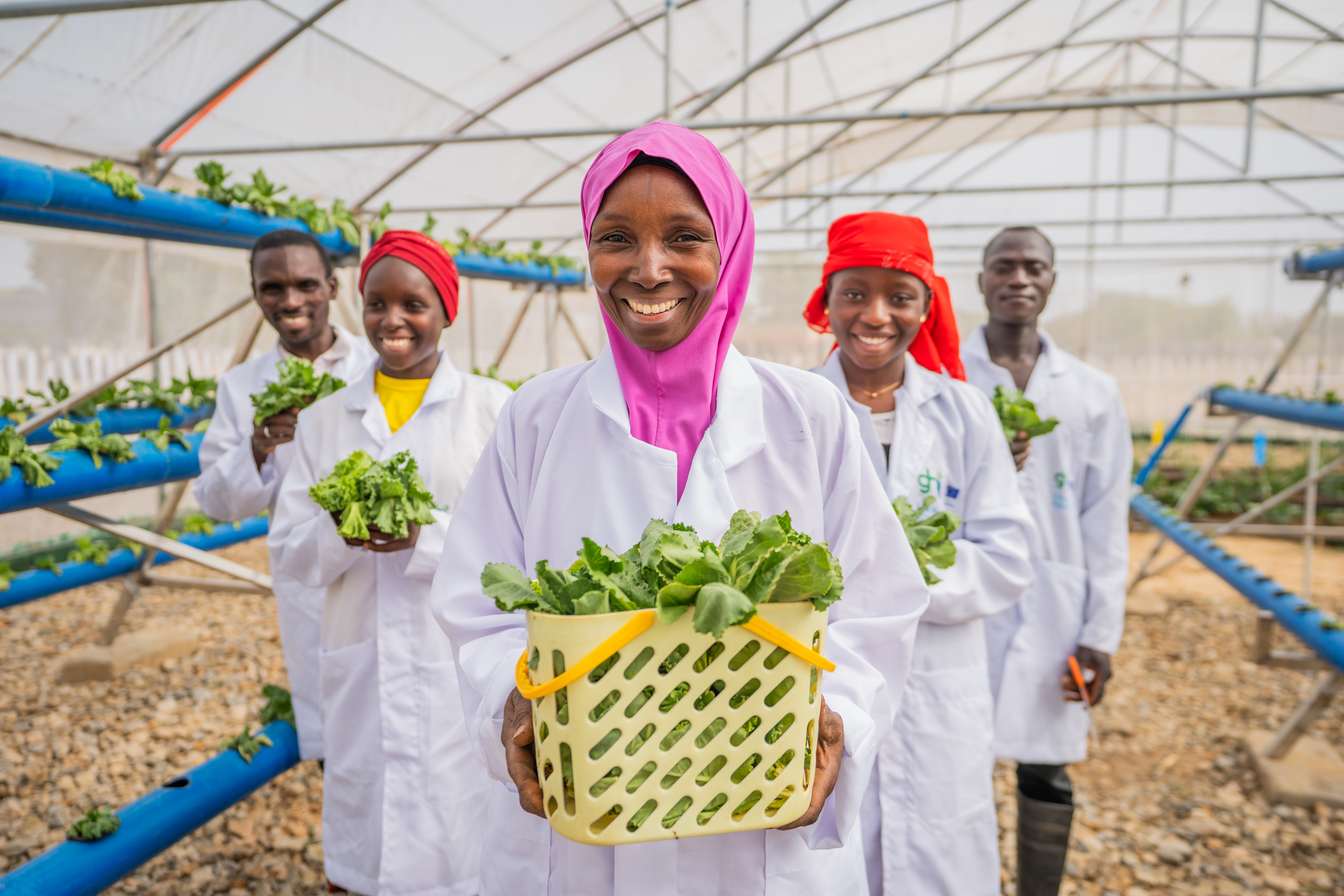
Nigeria - Growing Food without Fear - Hydroponics sows peace where soil fails in Northern Nigeria
In Nigeria’s arid heartland, innovation is sowing peace and resilience. In Kaduna State - where drought, insecurity, and conflict have uprooted farmers and deepened hunger - solar-powered hydroponic greenhouses are proving that food can flourish without soil or rain.
Supported by the UN Climate Technology Centre and Network (CTCN) under the European Commission’s Climate Security programme, which advances climate-resilient, low-carbon solutions in vulnerable regions, and implemented by the Green Habitat Initiative, this pilot enables women to safely grow lettuce, tomatoes, and peppers in compact, solar-powered, water-efficient systems right in their own backyards. Beyond boosting harvests and incomes, hydroponics is easing land pressures, empowering women, and offering a powerful model for food security and stability in areas long scarred by drought and conflict. In a place where farming once meant fear, greenhouses now nurture not only crops, but hope.
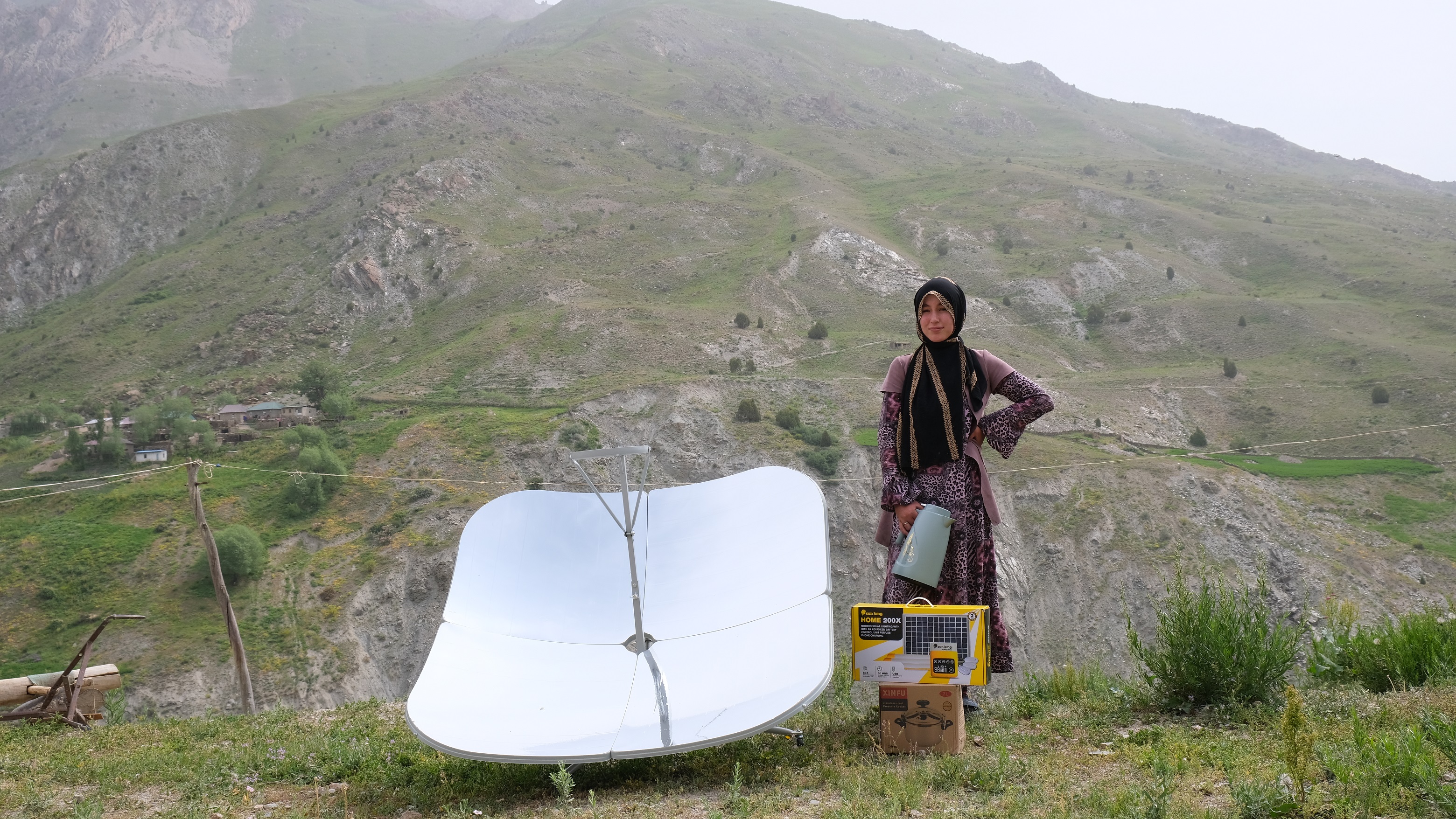
Tajikistan - Solar power, stronger women: Yaghnob’s transformation
The remote Yaghnob Valley in Tajikistan remains isolated for much of the year, with its residents facing severe energy poverty and reliance on unsustainable fuel sources. In response, The Little Earth, recognized by the CTCN-supported Gender Just Climate Solutions Award, has introduced small-scale solar energy projects and resource-saving technologies to enhance living conditions and promote environmental sustainability. A key focus is empowering women, who are disproportionately affected by energy shortages and social restrictions. Through training in solar technology and energy-efficient solutions, over 40 women from 11 villages are gaining technical skills, reducing household burdens, and contributing to local decision-making, fostering a more resilient and inclusive future.
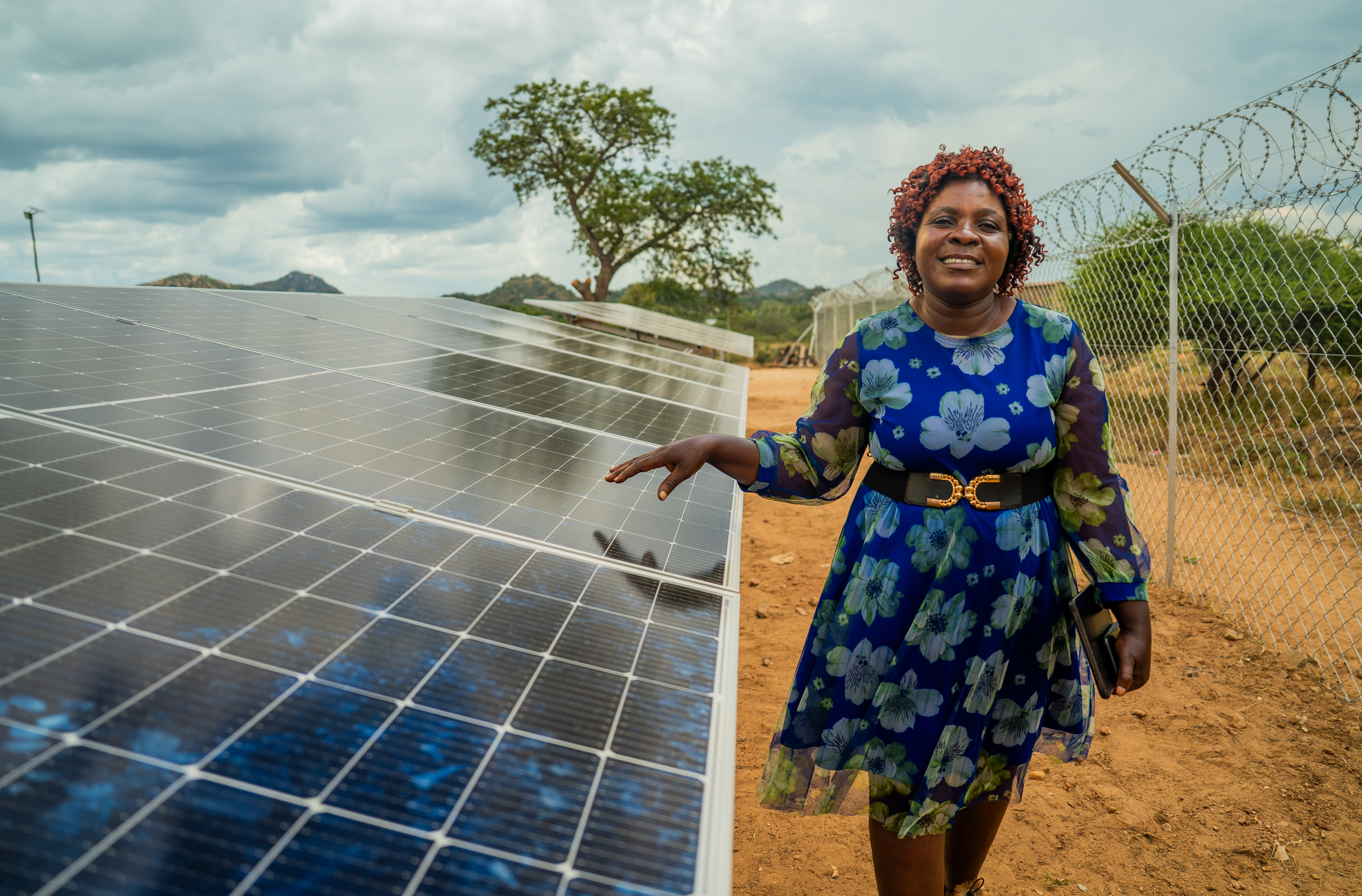
Zimbabwe - From Fire to Sun: How Solar Drying Is Transforming Women’s Lives, Woodlands and Mopane Worms
Traditionally, in Zimbabwe mopane worms are dried using firewood, but this method is becoming unsustainable due to firewood shortages and risk of forest fires. Firewood accounts for 49% of the total energy used in Zimbabwe, with over 90% of rural and urban households relying on it due to frequent power outages. This growing demand, rapid land use changes, and deforestation have significantly reduced the firewood supply. This project supports efficient solar-powered dryers made from inexpensive, locally available materials to improve to provide a protein-rich tasty treat!
Good readings:
|


|

