News facts
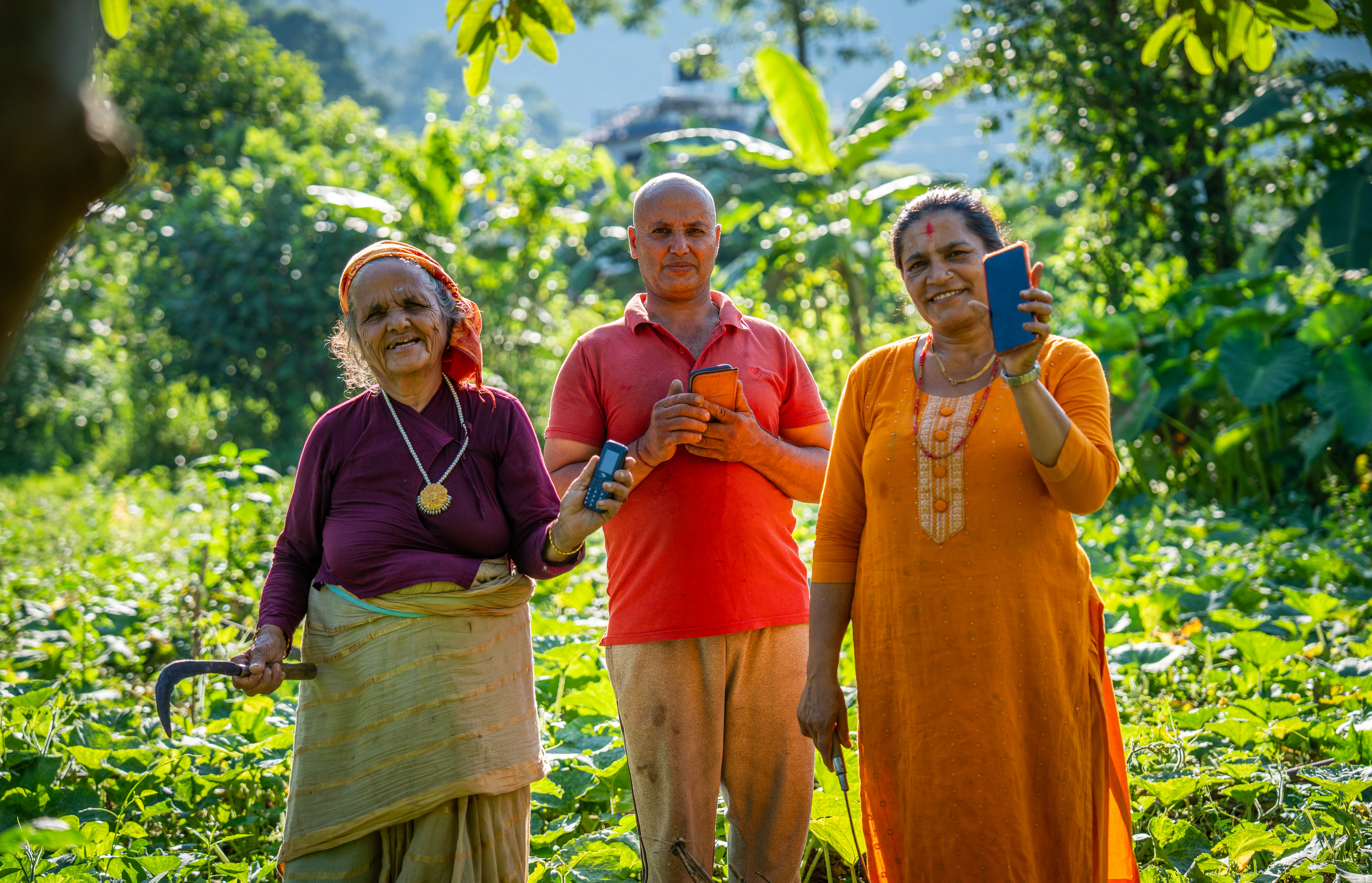
Photo credit: UN CTCN/Miranda Rikki Tasker
Few places on Earth rise and fall as dramatically as Nepal. From lush subtropical plains to icy Himalayan peaks, the weather shifts as fast as the landscapes unfold. As climate change intensifies, forecasting conditions is getting increasingly tricky. Rain falls too hard, too rarely, or too late. Landslides sweep away homes, floods erase months of farm work overnight, and a change in weather on one ridge can threaten harvests in the valley below.
Over 80 percent of natural disasters here are triggered by extreme rainfall and temperature swings, and climate-driven flood risk is projected to nearly double by 2030.
“There are lots of bad effects of climate change. There are many landslides,” warns Basu Dev Regmi, Secretary at the Ministry of Land Management, Agriculture and Cooperatives.
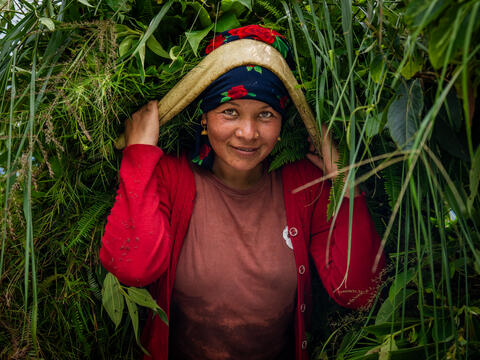
Nepal is ranked among the top ten most climate-vulnerable countries globally, and agriculture, the backbone of the rural economy that supports the livelihood of two-thirds of the population, bears the brunt of those impacts. For farmers, the difference between a good year and a devastating one often hangs on the weather they cannot predict.
“Before, we had no idea when such weather would come,” says farmer Chiranjivi Acharya. “Just recently, the very day we planted, the flood came and carried it all off. [...] The next day, we had to go back and plant again.”
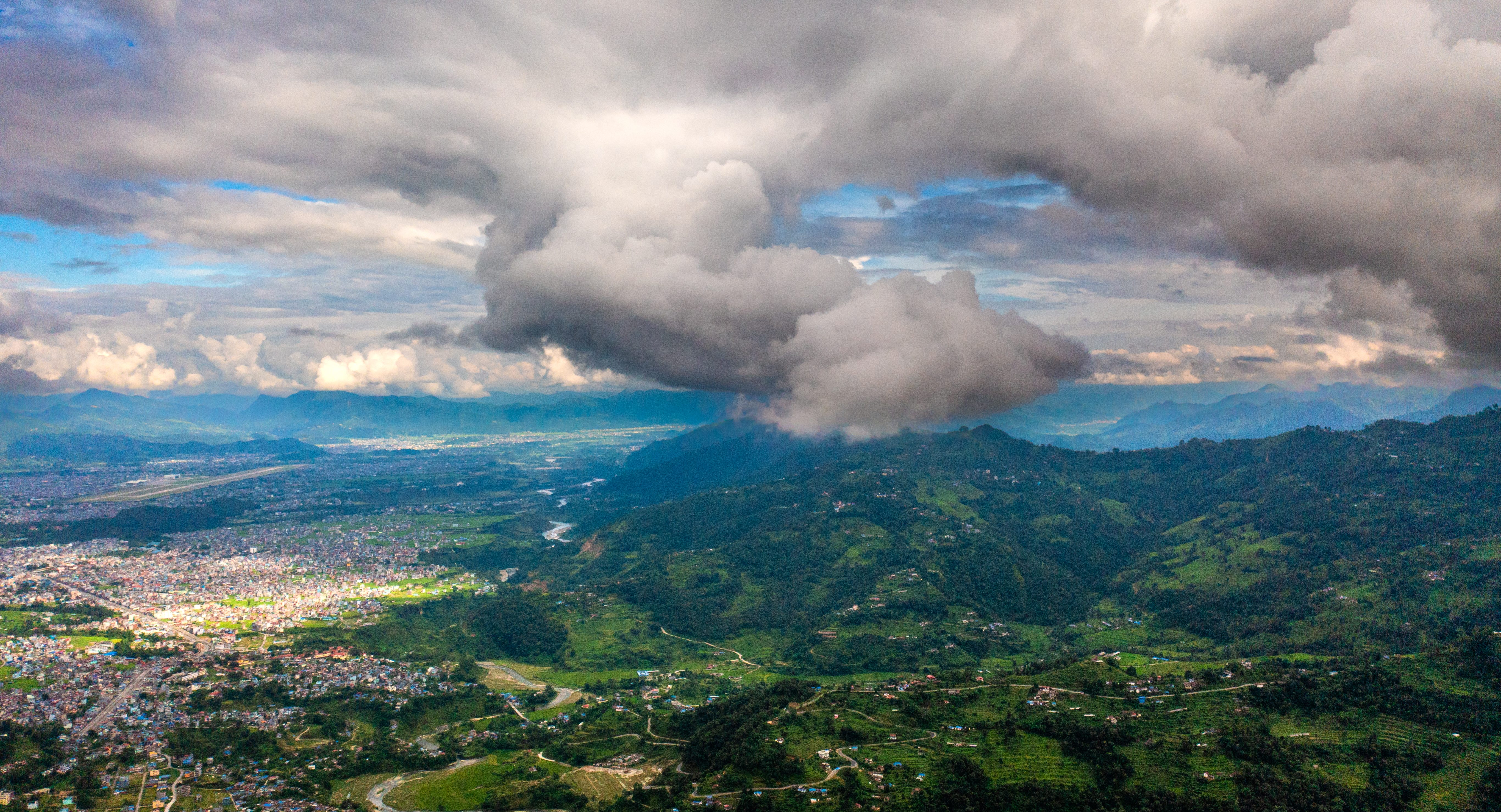
Photo credit: UN CTCN/Miranda Rikki Tasker
The problem is not the absence of data. The Department of Hydrology and Meteorology already generates forecasts, but this information is scattered across agencies, sits on government websites that most farmers never visit, and is often written in technical language they cannot understand. Many rural communities have limited internet access, and even when the forecasts reach them, they are too general for Nepal’s sharply contrasting micro-climates, where conditions can shift radically from one hillside to the next. So planting becomes guesswork. Farmers say they “gamble” every season, sowing too early, fertilizing before a storm, or harvesting too late.
To break this cycle, Nepal, with support from the Climate Technology Centre and Network (CTCN), technical partners RMSI and The Small Earth Nepal, introduced a new early warning system in the communities of Rainas, Bhojpur, and Sarlahi: the Customized Weather and Climate Information System.
“Nepal is full of micro-climatic regions,” explains Shivang Bhatnagar, lead software developer at RMSI. “You cannot send a single advisory from here to there. […] Why don’t we create a platform where farmers get the advisory at a village level?”
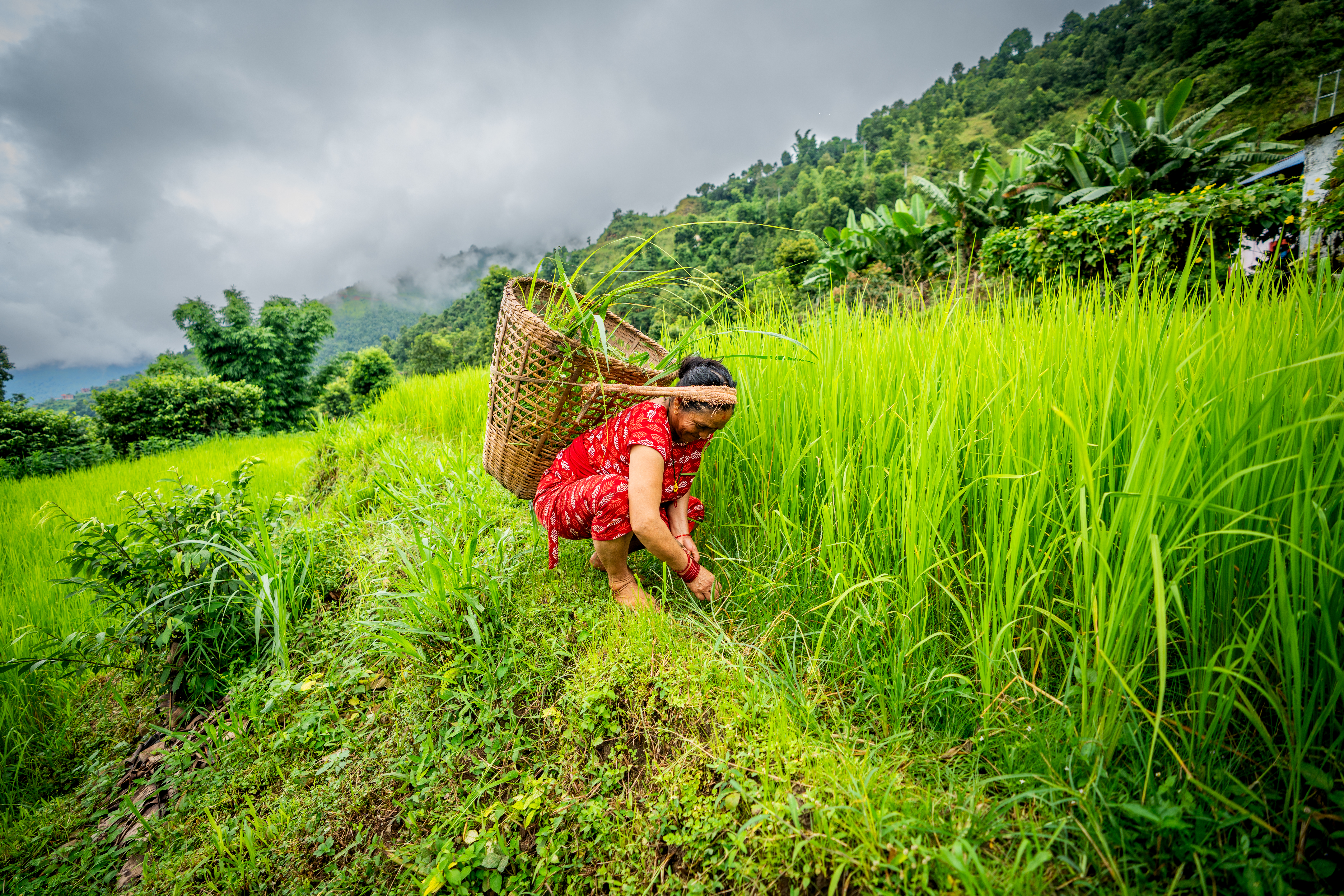
Photo credit: UN CTCN/Miranda Rikki Tasker
Using artificial intelligence systems and more than thirty years of local weather data, the system generates 3-day forecasts, 7-day forecasts, and seasonal outlooks, then translates them into practical and accessible advice: when to sow, irrigate, fertilize, control pests, or delay harvest.
Farmers choose how they receive the guidance, either through SMS, WhatsApp, or email. Most prefer SMS. Every three days, the messages arrive automatically, and the impact is immediate.
“Everyone gets the message now,” farmer Sarala Chhetri says “No one’s crops get spoiled anymore. The flood can’t damage it, can’t spoil it, can’t carry it away. Yeah… it’s very useful, really helpful.”
“Knowing it ahead of time helps a lot,” says Chiranjivi. “We can decide when to harvest, when to plant, when to sow the seeds […] Since we got this mobile app, life has become much easier for us farmers.”
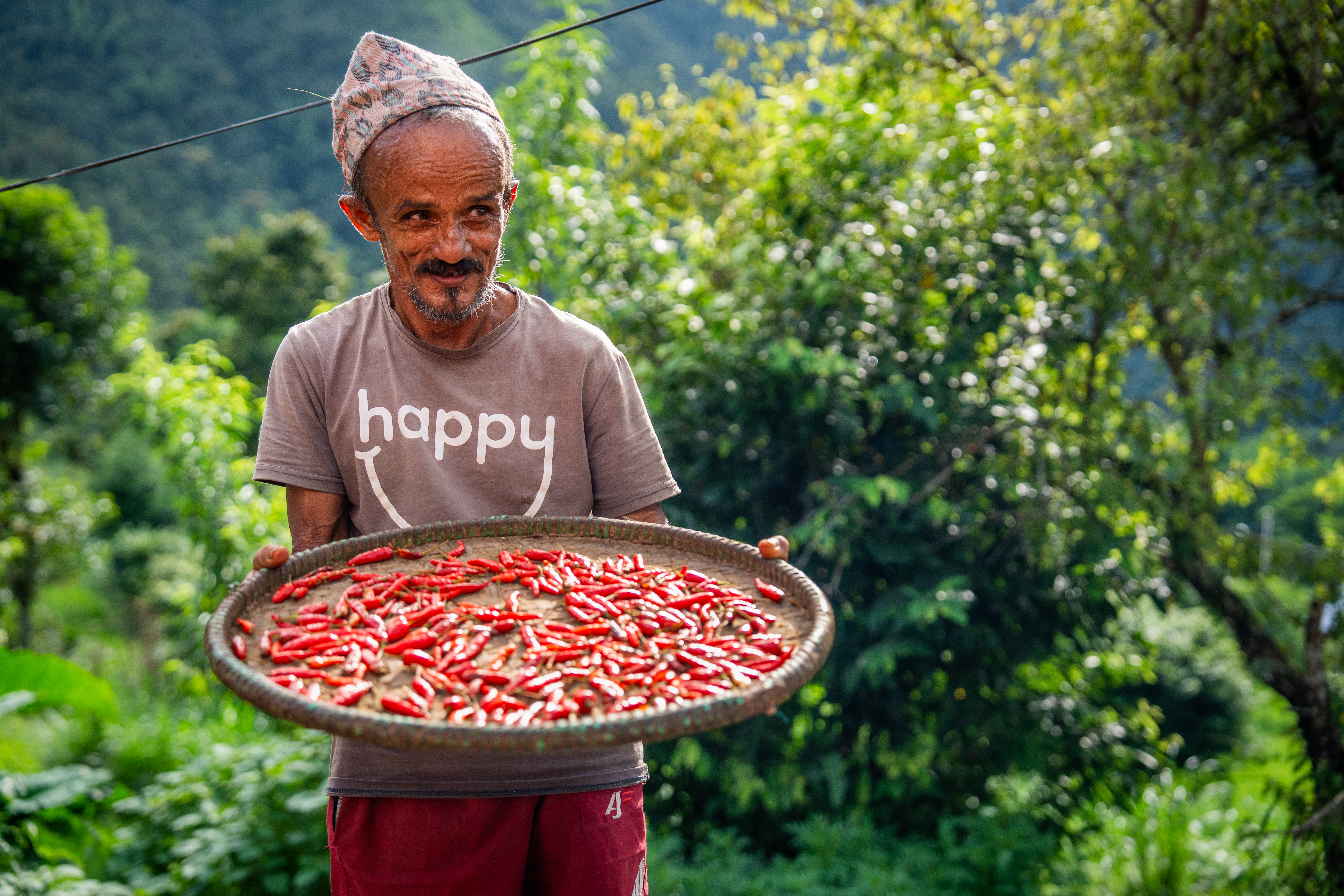
Photo credit: UN CTCN/Miranda Rikki Tasker
Mina Kumari Devkota, a rice farmer and buffalo herder, remembers how sudden floods destroyed her fields: “It flooded over all the rice, covering everything. Mud even entered inside the house.
Now, she checks the forecast before making decisions. “Things have really improved now. Please… you all keep sending the messages, alright?”
What makes the system powerful is its simplicity. A farmer just adds their telephone number to the digital platform, and they’re connected. When they share it with a neighbour, that neighbour can join just as easily. From there, it moves naturally through the community, passed from one household to the next.
“It’s not just useful for us; we can also teach others and our neighbors how to use it,” emphasizes Chiranjivi Acharya.
In many households, one mis-timed decision in farming can mean debt, hunger, or even children leaving school to help the families recover. That is why this simple innovative technology providing reliable information is making a real difference, stabilizing rural communities .
“It’s making them more resilient to climate change,” notes Basu Dev Regmi. “Nepalese farmers can improve their crop productivity, conserve their natural resources and have good food and nutrition security for the coming generations.”
For a country where agriculture contributes over 20% of Nepal’s GDP, timely weather information is climate adaptation made practical, affordable, and immediate, supporting livelihoods and helping families remain on their land.
With a simple message on a basic phone, knowledge reaches them faster than the storm. Neighbor to neighbor, village to village, confidence is returning to communities on the frontlines of climate change.
If scaled up, this AI-powered system could reach millions, proving that when ministries, scientists and farmers work side-by-side, resilience is something that can be built one forecast at a time.
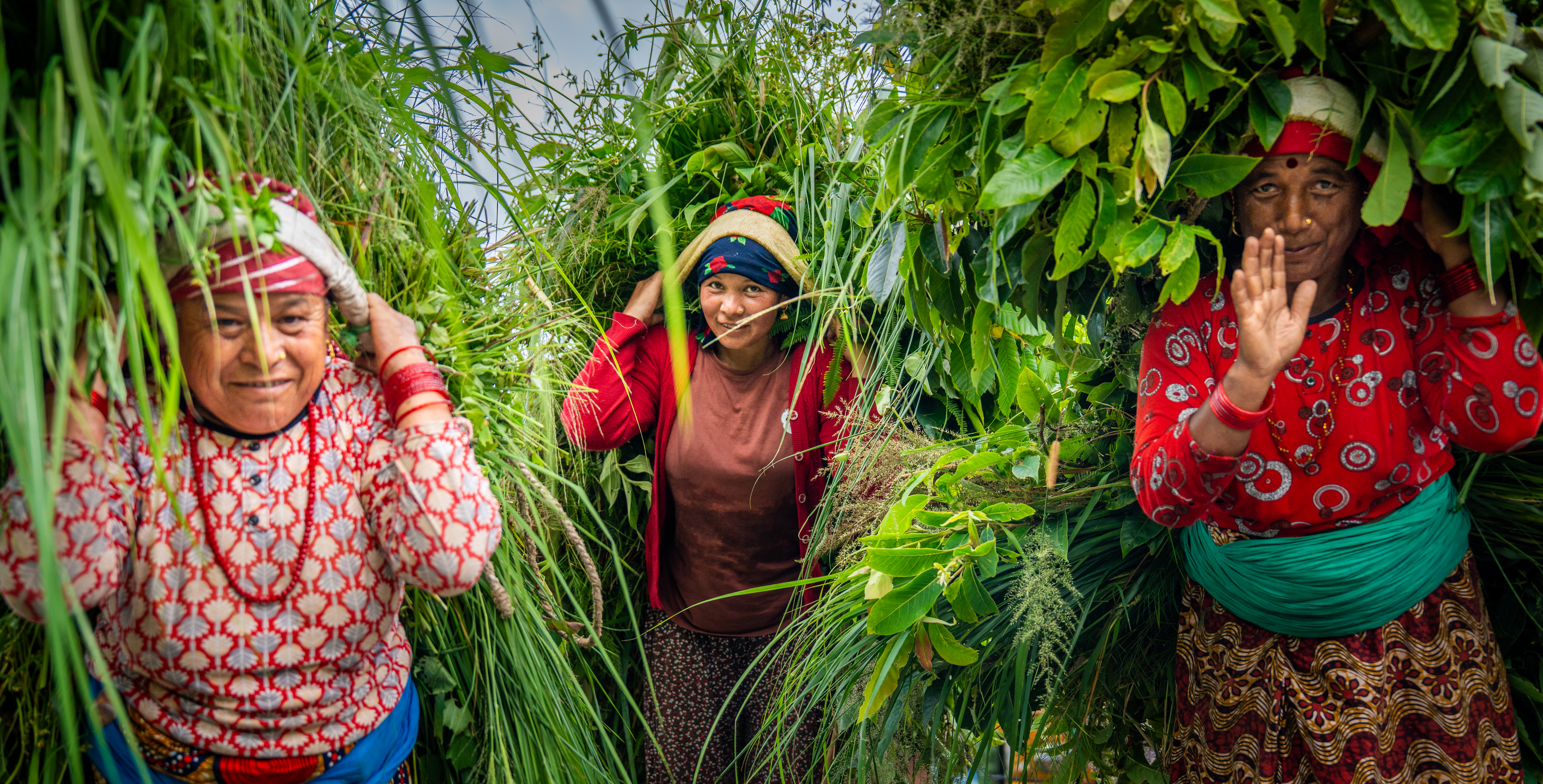
Photo credit: UN CTCN/Miranda Rikki Tasker