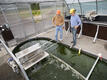
Two pilot projects in Sweden are using algae cultivation to achieve a number of sustainable effects. Besides reducing carbon dioxide emissions and purifying waste water to minimise over-fertilization, the algae cultivation produces energy-rich algae mass that can be used for biodiesel and animal feed. Research into algae and how it can be used for various sustainability purposes is increasing around the world. Apart from research in Canada, it has never been carried out as far north as Umeå, Sweden.
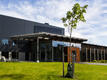

Increased efforts in environmental technology is crucial to achieve a more sustainable use of society’s resources. MTC in Umeå specialises in the implementation of emerging environmental technologies, focusing on waste, contaminated water and contaminated soil. MTC is a large test bed facility for demonstration of new and innovative environmental technology in a real environment. MTC performs feasibility studies, pilot tests and full scale deployment.

Domsjö Fabriker is part of the Aditya Birla Group, the world’s largest of viscose fibre producer. This cutting-edge biorefinery is developing the textiles of the future for the world’s catwalks, from northern spruce trees. This is creating a sustainable bioeconomy that uses the forest’s unique renewable resources. Cellulose is Domsjö’s biggest product, although the refinery also produces lignin and bioethanol, all of which originate from Swedish forests. The cellulose is produced from timber from conifer trees, mainly grown in northern Sweden.

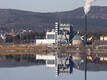
Hörneborgsverket, a biofuel-based cogeneration plant, is at the heart of Övik Energi’s energy production. Hörneborgsverket produces roughly equal amounts of district heating, steam, and electricity. Some 99% of the fuels used at the plant are renewable, and the steam is distributed to local industries. Cogeneration plants, also known as combined heat and power plants (CHPs), which use a single fuel source to produce both energy and heat, convert almost all energy into useful energy. This in contrast to conventional power plants, which release heat without using it.

Some 90 percent of Gothenburg’s apartment buildings are connected to the district heating network, a well-proven solution with a number of environmental benefits. But the district heating system has now been further improved using new technology to enable storage of heat for fluctuating needs. District heating was first introduced back in the 1950s and is a common energy solution in most Swedish cities and regions.

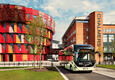
Tomorrow’s sustainable transport is well underway in Gothenburg. The city is launching a bus route with emissions-free vehicles powered by renewable electricity and an all-electric ferry offering quick, low-carbon public transport over the city’s river. ElectriCity in Gothenburg, Sweden, is an exciting collaboration and demonstration arena in which industry, research and society develop and test electrified solutions for tomorrow’s transportation of people, goods and waste.

Visit a showcase of innovative urban development. Until the 1960s, Gothenburg was the centre of manufacturing and development in one of the world’s leading shipyard industries. As the industry was dismantled, starting in the mid-1970s, vast dockland areas and industrial premises were abandoned and became available for new possibilities.

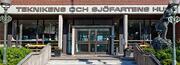
As a part of the FP7 project A2PBEER the technical museum in Malmö was retrofitted with new and innovative technologies increasing the energy efficiency. The building was constructed in the late 1950’s as a technology museum, which it still is today. No major alterations have been made to the building envelope since the 1950´s. During the A2PBEER project a series of retrofiting works was undertaken:

The Fossil-Free Energy District (FED) in Johanneberg Science Park in Gothenburg is a unique project that demonstrates how to create a local digital marketplace for electricity, heating and cooling and help reduce the use of fossil energy. FED, the Fossil-Free Energy District, is an innovative project aiming to cut the use of energy and dependence on fossil fuels in a local urban area. The district hosting the project is located outside the energy distribution concession and provides the opportunity to test and evaluate the possibilities of a local energy market.

Sweden’s National Geodata Strategy is based around five societal challenges that geodata – geographic data and information – will help to solve. Key elements of the strategy are: increasing collaboration; harmonising geodata standards; and making them open and available for both the public and private sectors. In consultation with the Swedish Geodata Council, Lantmäteriet (the Swedish cadastral survey) drew up a new Swedish geodata strategy for 2016–2020 and this has now been updated for 2021–2025.