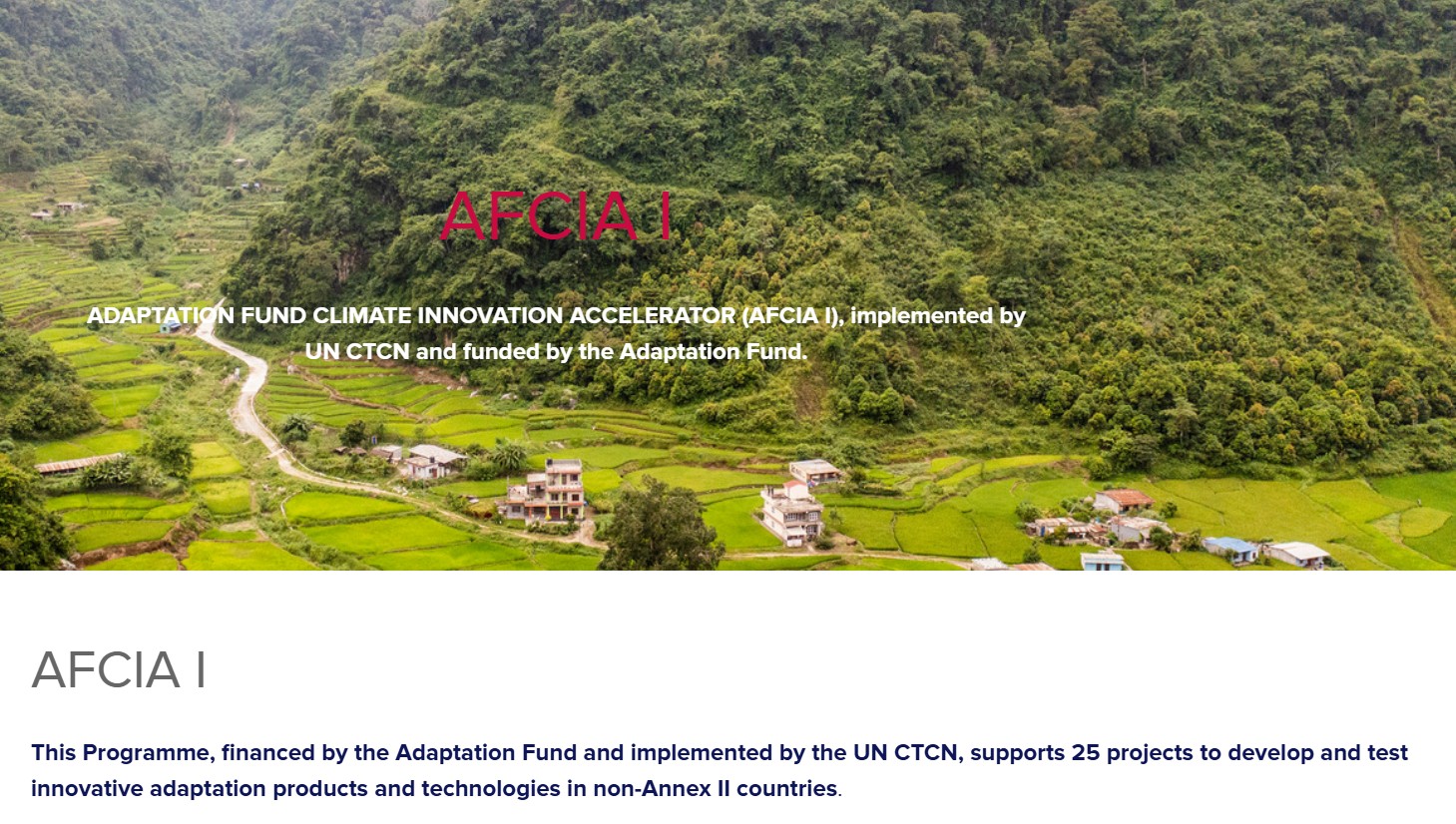
The first phase of the UNEP-CTCN AFCIA Programme (AFCIA I) developed and tested 25 innovative adaptation products and technologies in 23 countries.
It activated the Adaptation Fund innovation microgrants facility in countries with no national implementing entity while supporting the exchange of knowledge and information.
CTCN provided 25 micro and small projects with funding (up to USD 250,000 each). Locally-led organizations were targeted in countries worldwide, with the intent to accelerate innovative solutions to enhance resilience in the most vulnerable communities.

The United Nations Environment Programme (UNEP) and the United Nations Development Programme (UNDP) coordinated the AFCIA I Programme. They received USD 5 million each (USD 10 million total) to administer and aggregate a project of small grants. Implementing partners were selected through a competitive bidding process.
Next Phase
In October 2024, the AFCIA II Programme was launched, as a continuation of AFCIA I. To learn more about the AFCIA II Programme, click here.
For more information, please contact Nadege Trocellier at email: [email protected].
Web stories
-
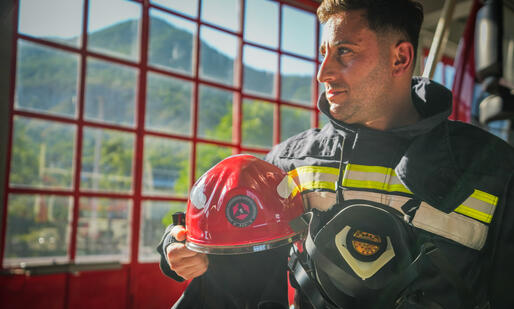
From Flames To Foresight: How Early Warning Technology Is Protecting Georgia’s Forests
-
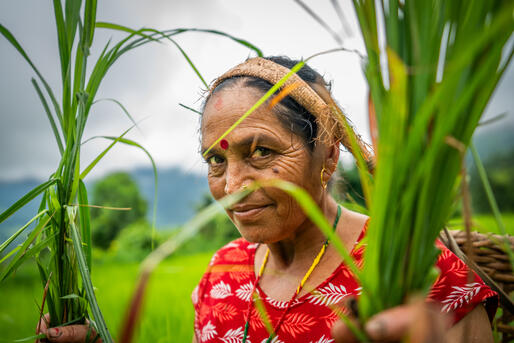
Nepal: Faster Than the Flood: Farmers Harness AI to Weather Climate Shocks
-
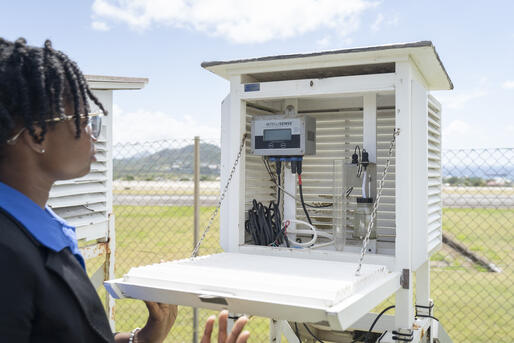
As drought sets in, farmers in Saint Kitts and Nevis turn to technology for help
-
Malawi Saves lives using digitization and AI
-
Burundi: Can this portable dam help Africa counter rising waters?
-
Sudan: Juggling priorities during a difficult time
-
UNEP Technical Highlight: How technology is helping communities across the globe adapt to climate change
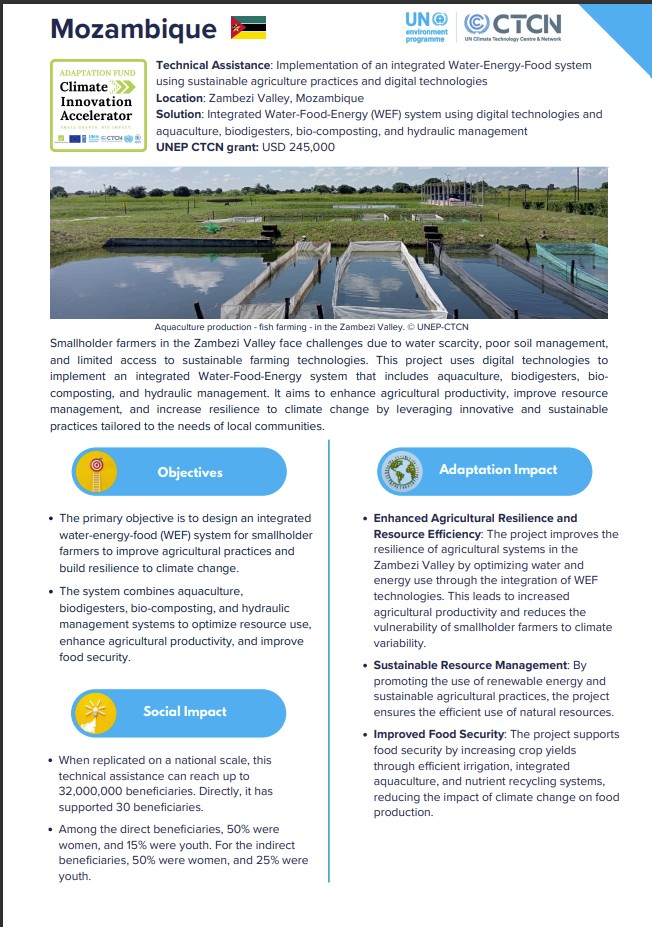
Fact Sheets for each project. |
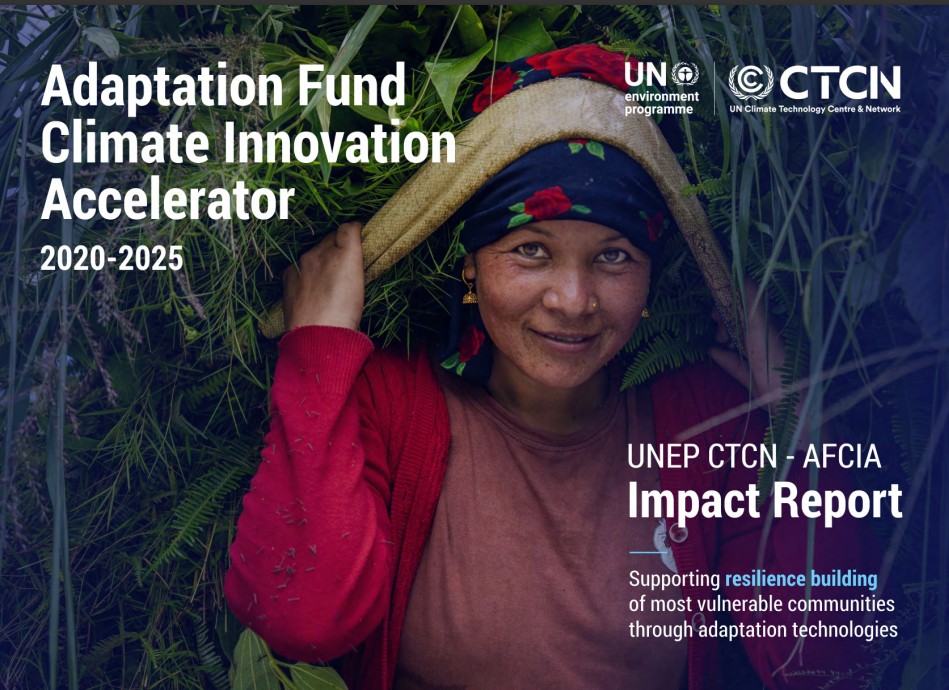
The Impact Report. |
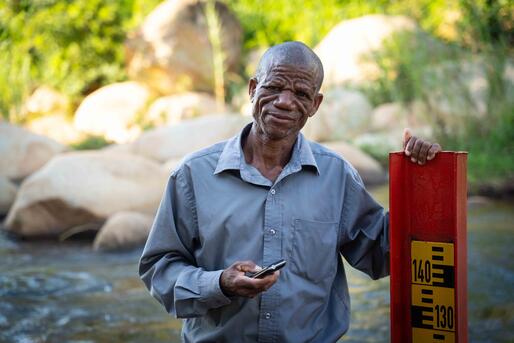
Project Photos, free to download. |
|
Image
|
Image
|
Image
|
Videos
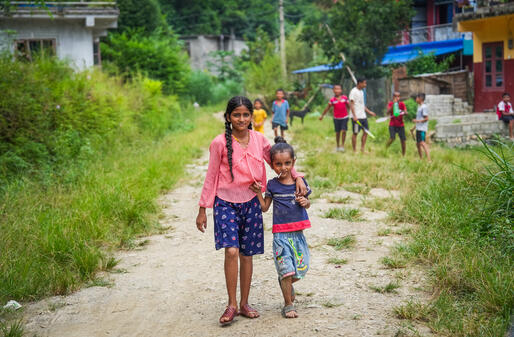
Take a look at some of the amazing adaptation projects that the AFCIA I Programme has supported around the world - from St Kitts and Nevis in the Caribbean to Nepal in Asia, from Georgia to Malawi. They showcase how a changing climate hits the most vulnerable, and how climate technologies can help adapt to it.