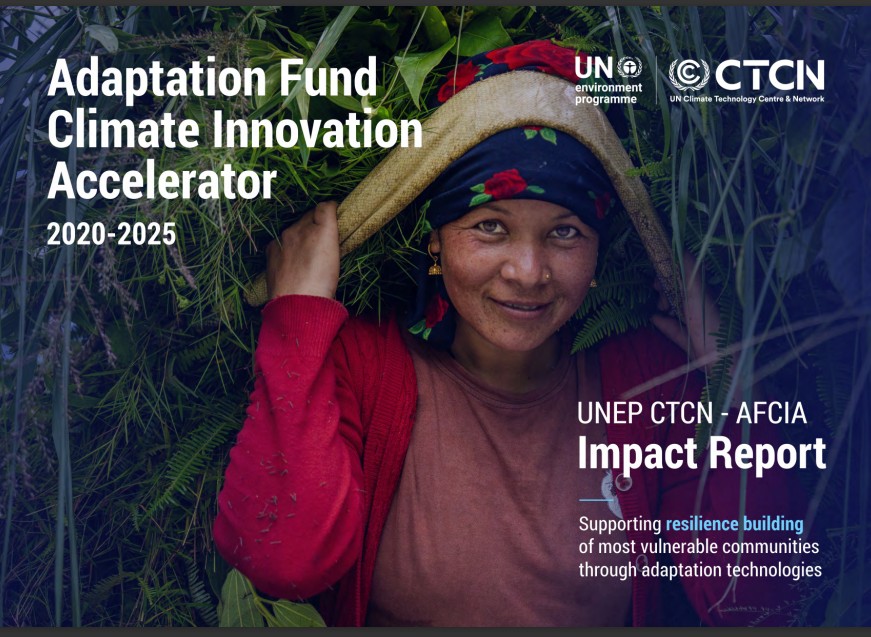
In 2020, the Adaptation Fund launched the Adaptation Fund Climate Innovation Accelerator (AFCIA) to foster innovation in adaptation in developing countries. The AFCIA I programme strives towards the ultimate goal of fostering innovation for adaptation. AFCIA enables meaningful change for climate change resilience across the Global South.
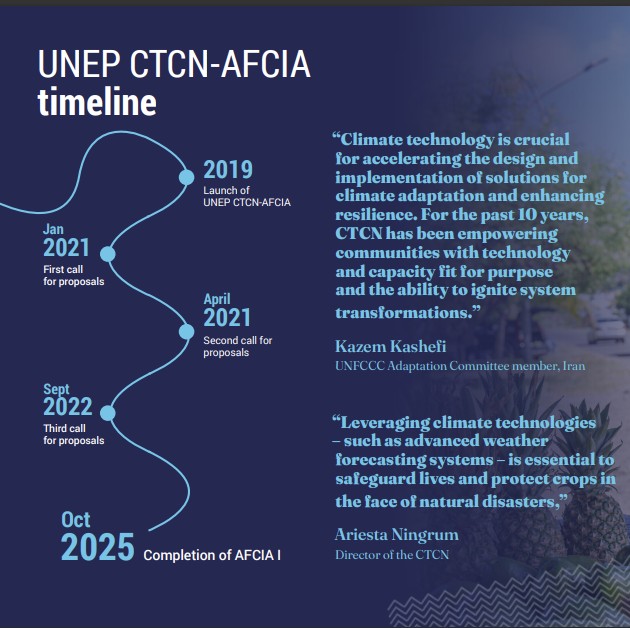
The AFCIA Impact Report was published to document the progress, impact and lessons learned from this program. It has two volumes: UNEP CTCN-AFCIA and UNDP-AFCIA. The attached AFCIA I Impact Report is a quantitative and qualitative exploration of impact resulting from UNEP CTCN-AFCIA, told through data gathered during regular reporting, narratives provided by beneficiaries, and statements quoted directly from local adaptation leaders.
|
Image
|
|
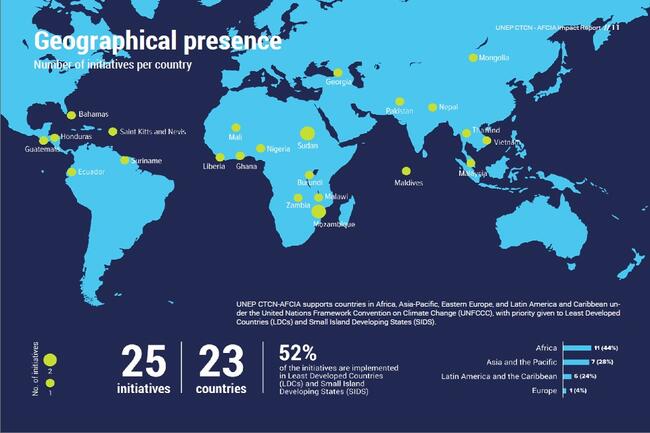
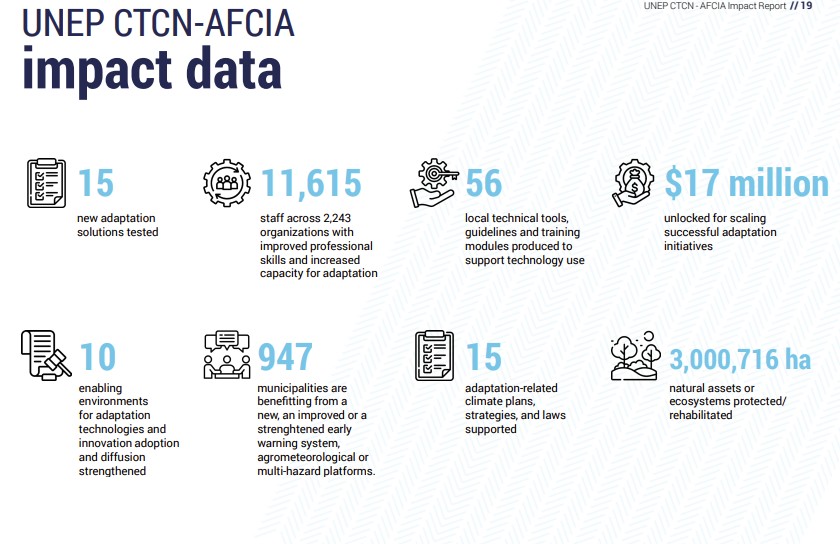
By examining the successes, challenges, and lessons learned, the report provides a comprehensive overview of how AFCIA I has contributed to advancing climate adaptation solutions and strengthening resilience in developing countries. This analysis will lay the foundation for the next phase, UNEP CTCN-AFCIA II, which will pilot climate technologies in new contexts while strengthening the National System of Innovation of these countries so that climate technology can be further deployed.
It is also a rich source to inform and support other programmes and organizations on their own climate adaptation journey, and enable continued progress toward scaling up transformative climate technologies globally.
To participate in the Report Launch Webinar on February 3, 2026, please click here.
The CTCN AFCIA Impact Report Volume 1 is linked in this webpage. The UNDP AFCIA Volume 2 can be found here: Adaptation Fund Climate Innovation Accelerator Impact Report 2020-2025 | United Nations Development Programme
Here are some of the stories told through AFCIA I supported projects:
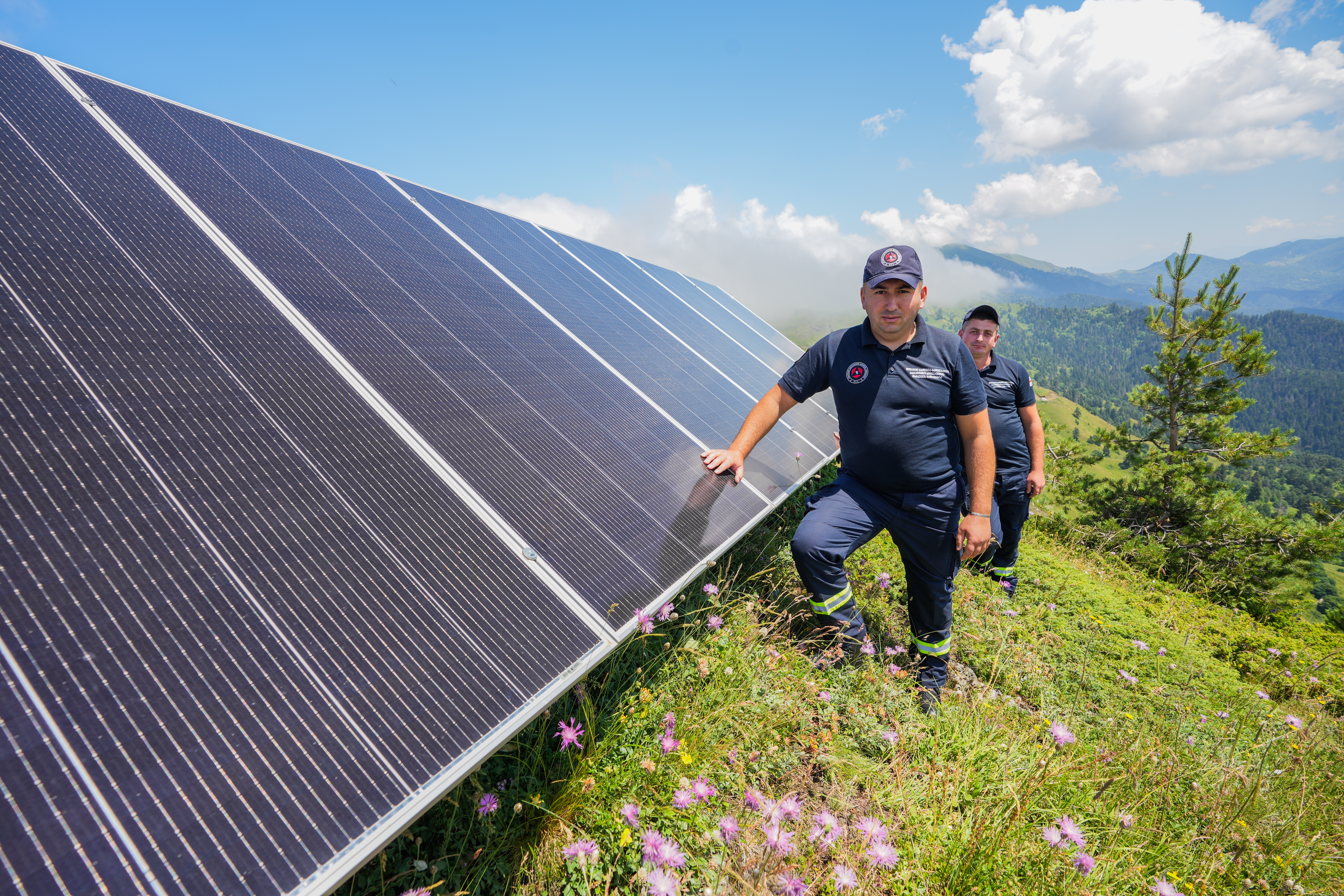
Photo Credit: UN CTCN/Miranda Rikki Tasker
Georgia - Fire Prevention Project
The Borjomi-Kharagauli National Park in Georgia faces threats from uncontrolled forest fires, exacerbated by climate change. This project implements an integrated monitoring and early warning system for forest fire detection using innovative remote sensing tools. This aims to protect the park's ecosystems and biodiversity by enabling timely and effective fire prevention and response, enhancing the resilience to climate-related hazards.
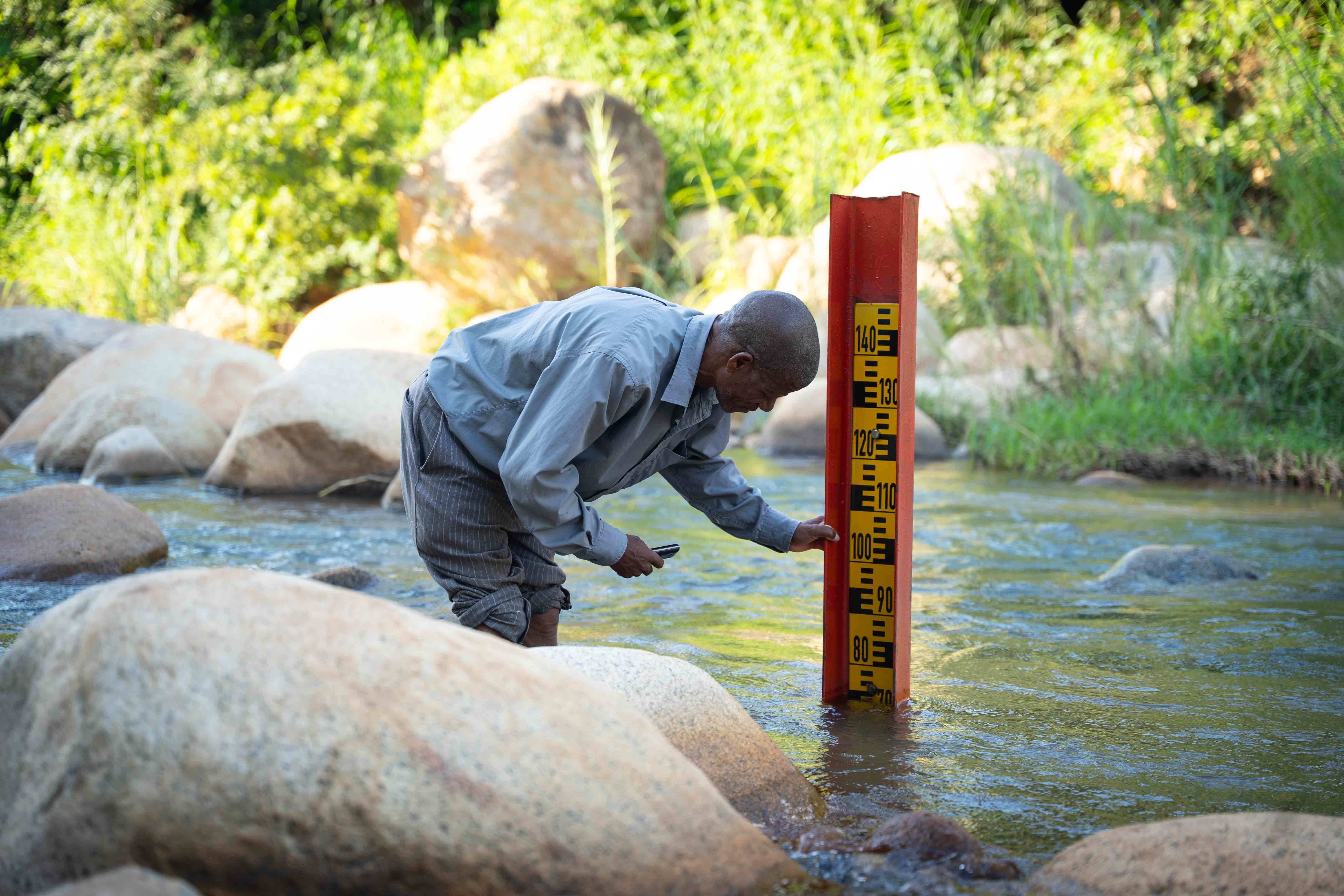
Photo credit: UN CTCN/Lisa Murray
Malawi saves lives, using digitization and AI to understand flood risks
A new Malawi story tells how Stephen, a community water observer, is helping build resilience against climate disasters. For three decades, he has measured the Phalombe River twice a day, providing vital data for Malawi’s climate database. Until recently, his notes were recorded on paper and collected only monthly, delaying crucial information needed for forecasts and disaster response.
Thanks to a UN CTCN project supported by the Adaptation Fund, Stephen and more than 100 other observers across Malawi are now digitizing their rainfall and river readings in real time. These timely updates are strengthening early warning systems, supporting farmers, and helping protect communities in one of the countries most vulnerable to floods, droughts, and cyclones.
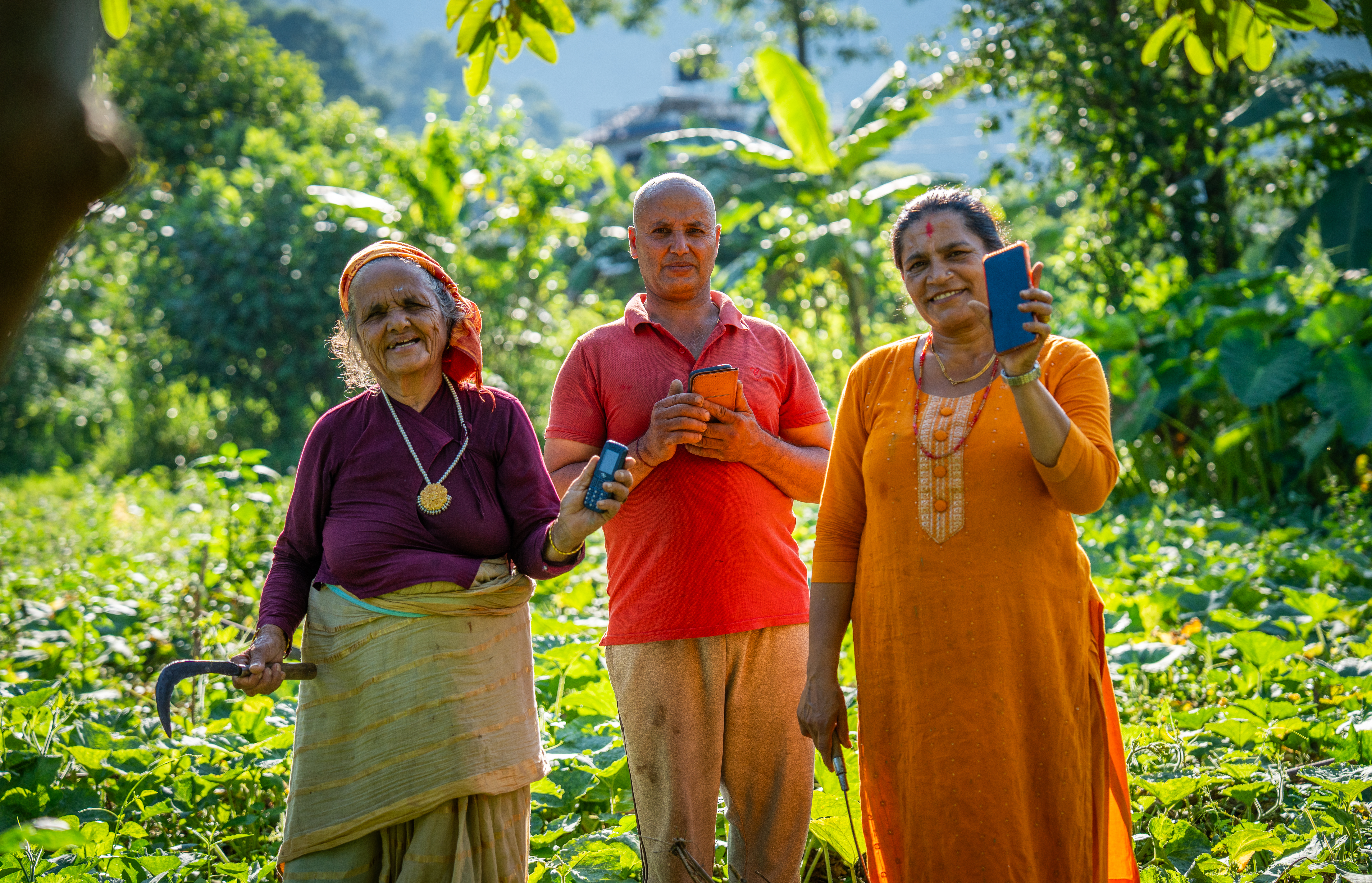
Photo Credit: UN CTCN/Miranda Rikki Tasker
Nepal - Growing food without fear: Hydroponics sows peace where soil fails in Northern Nigeria
Nepal’s landscapes shift from subtropical plains to Himalayan peaks in a matter of miles – and its weather changes just as quickly. As climate change intensifies, farmers face rains that come too hard, too late, or not at all, along with landslides and floods that can wipe out months of work overnight. To help communities stay ahead, Nepal has introduced an AI-powered early warning system in three pilot areas, using three decades of local weather data to generate practical, farm-ready advice on when to sow, irrigate, fertilize, manage pests, or delay harvest. Delivered automatically every three days via SMS, WhatsApp, or email, these forecasts give farmers the information they need – often faster than the storms themselves. If scaled, the system could reach millions, showing how ministries, scientists, and farmers can build resilience together, one forecast at a time.