
News facts
More than a number, 1001 Network Members have now joined the CTC Network and represent a global community driving climate action through innovation, collaboration, and shared expertise.
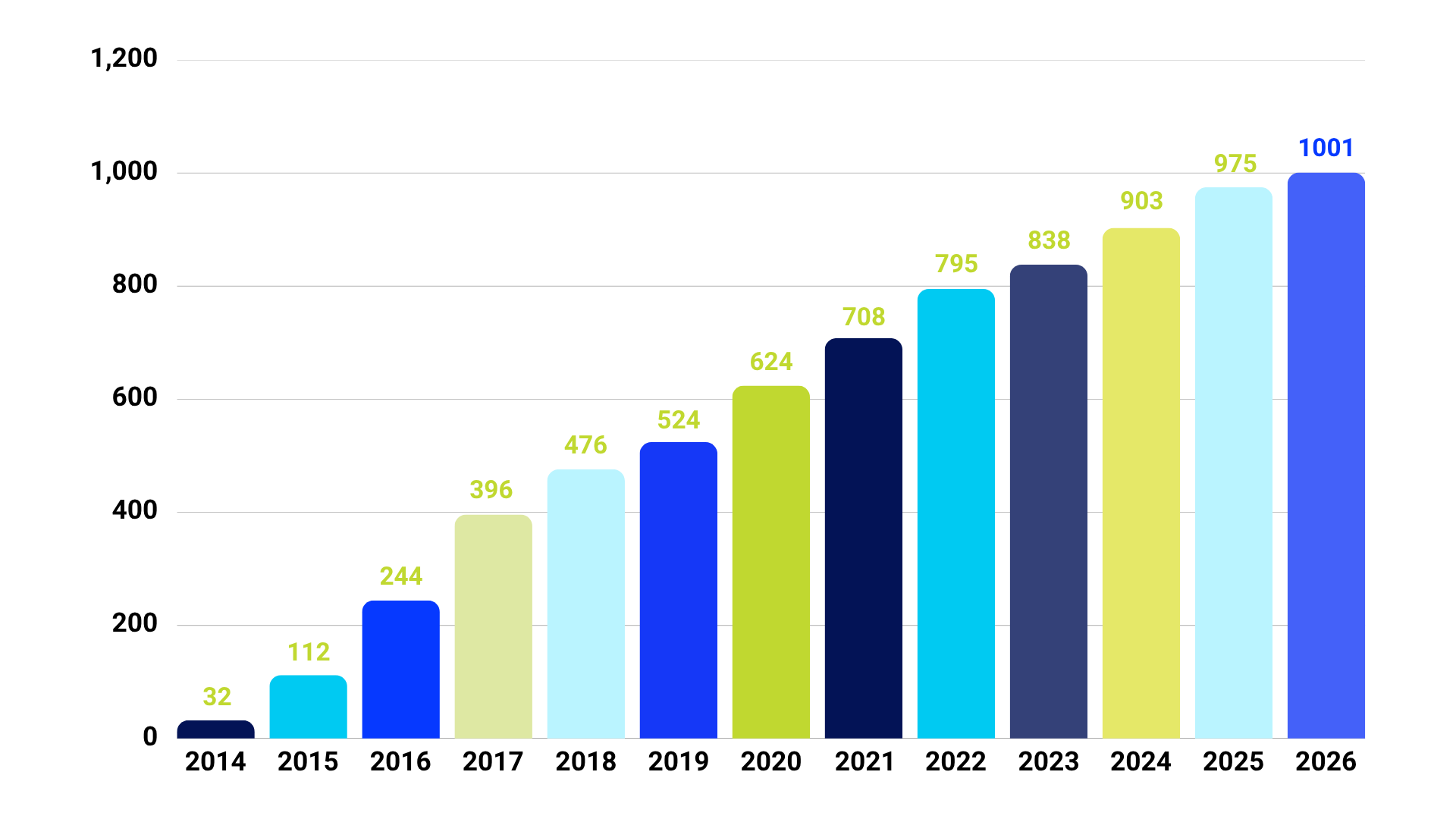
Since its establishment in 2013, the CTC Network has grown into a truly global community of private sector companies, research institutions, universities, NGOs, technology centres, and international organizations committed to advancing climate technology solutions in developing countries. What started with just a few dozen organizations has evolved into one of the world's largest climate technology networks.
Yet this milestone tells a much bigger story.
The strength of the CTCN Network lies not only in its diverse expertise, but in the active engagement of its members. At the heart of the CTCN’s work, Network Members deliver technical assistance, build capacity, share knowledge, and connect countries with practical climate technology solutions.
As the Network continues to grow, the focus increasingly shifts from expansion to engagement. Building on feedback from the Network and guidance from the CTCN Advisory Board, CTCN is developing new approaches to foster deeper collaboration across the Network and strengthen connections between member expertise and country needs.
This year, the CTCN launched the Network Fairs, a new matchmaking initiative held alongside regional NDE Fora and Capacity Building Programmes. Designed to strengthen connections between countries and climate technology providers, the Fairs offer Network Members a platform to showcase their expertise, present innovative solutions, and engage directly with National Designated Entities (NDEs). The inaugural events in Africa, Latin America and the Caribbean brought together 100 of NDEs and Network Members, demonstrating the value of structured dialogue, peer-to-peer exchange, and early identification of opportunities for future technical assistance and collaboration.
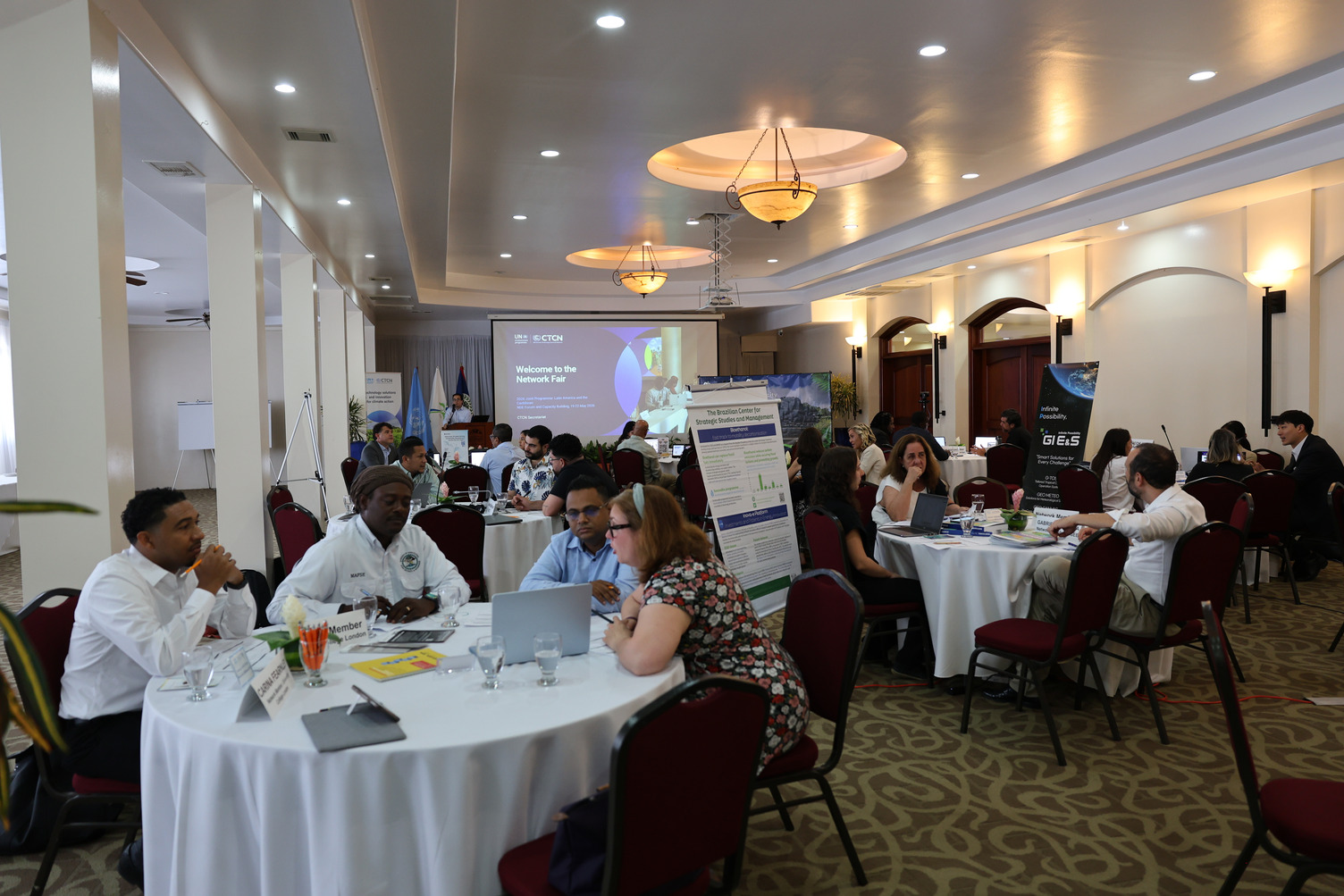
Network Fair during the LAC NDE Forum on 20 May 2026 in San Ignacio, Belize
CTCN also continues to strengthen visibility for Network Members' expertise through webinars, publications, and the growing collection of technology solutions featured on the CTCN website. These resources help countries identify relevant expertise and facilitate connections that can support the implementation of climate priorities.
Reaching 1001 Network Members is an important achievement, but it is also a call to action. As climate challenges grow more complex, collaboration, innovation, and knowledge exchange are more important than ever.
Today, the Network brings together organizations with expertise spanning renewable energy, sustainable agriculture, water management, climate adaptation, disaster risk reduction, circular economy, and many other fields. The projects below represent just a small sample of this collective expertise in action.
One Goal United, Five Stories of Technology Impact
From climate-smart agriculture and waste-to-energy solutions to water security and wildfire risk management, CTC Network Members bring a diverse range of technologies and expertise to support countries' climate priorities. These stories highlight how Network members are working alongside countries across five regions to develop innovative, locally tailored solutions with lasting impact.

Africa – Nigeria
In Kaduna State, Nigeria, CTCN supported efforts to strengthen climate resilience and livelihoods through sustainable agricultural practices. Implemented by Green Habitat Initiative, the project empowered local communities with innovative approaches to agriculture while addressing the interconnected challenges of climate change and security.

Asia – Vietnam
In Vietnam, CTCN supported sustainable rural development and emission reduction from the livestock sector. The project included a feasibility study on converting livestock manure into biogas and organic fertilizer through anaerobic digestion technology. Implemented by ECOSIAN, the project explored waste-to-energy solutions that can improve waste management, generate renewable energy, and create additional value for rural communities.
Latin America – Peru
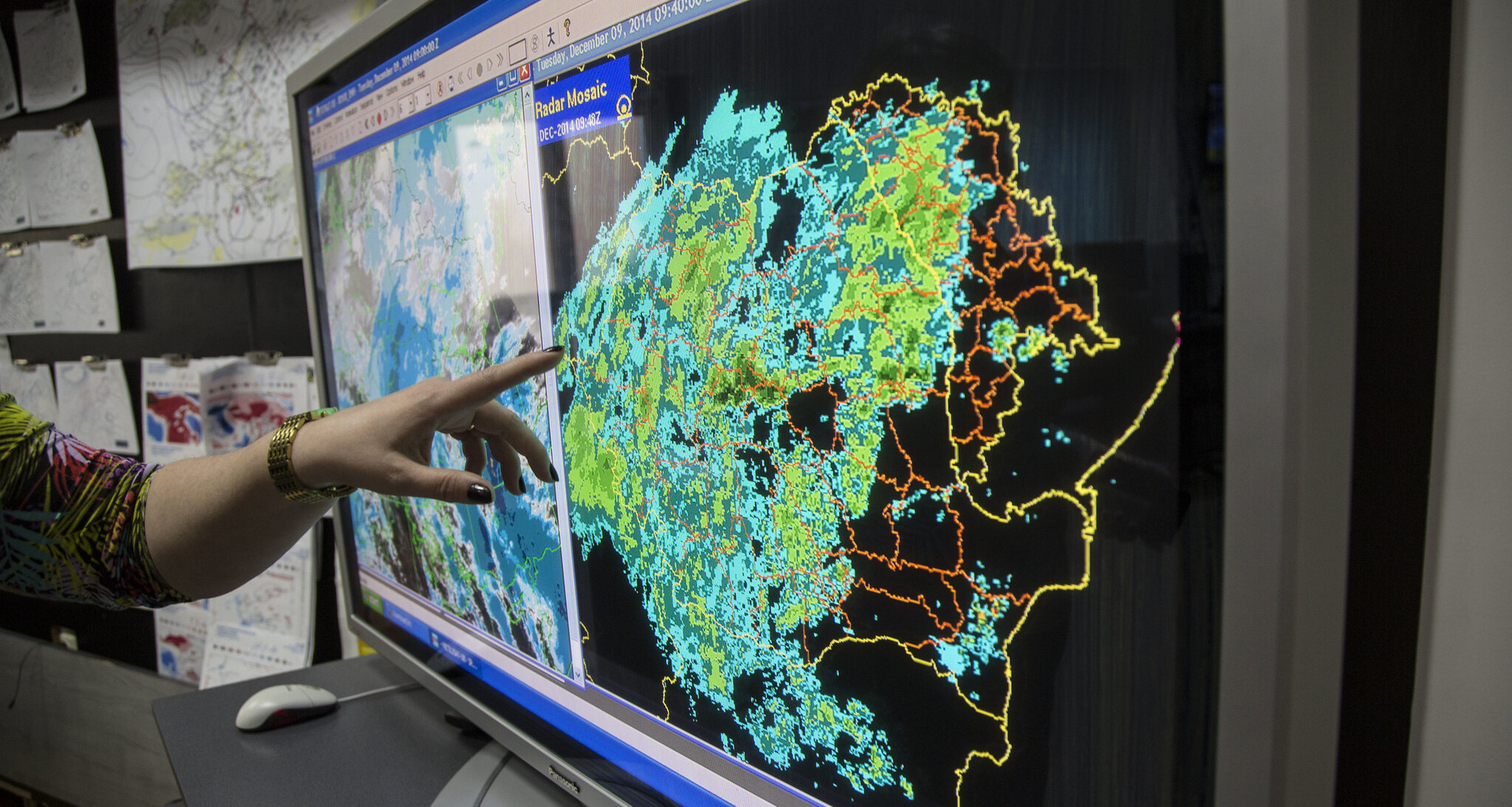
In Peru, CTCN supported climate adaptation in the water sector. The project developed a monitoring system for adaptation measures while assessing barriers to implementation and long-term financial sustainability. The work was implemented by Metroeconomica, S.L., helping strengthen evidence-based decision-making for climate resilience.

Small Island Developing States (SIDS) – Papua New Guinea
In Papua New Guinea, CTCN supported a pre-feasibility study on innovative ocean energy technologies to help diversify the country’s energy mix and strengthen energy security, particularly for remote and island communities. Implemented by the Korea Institute of Energy Research (KIER), the project assessed the potential of technologies such as Salinity Gradient Energy Technology and Electrochemical Ocean Thermal Energy Conversion (e-OTEC), helping to build the foundation for future renewable energy deployment and climate-resilient development.
Eastern Europe – North Macedonia
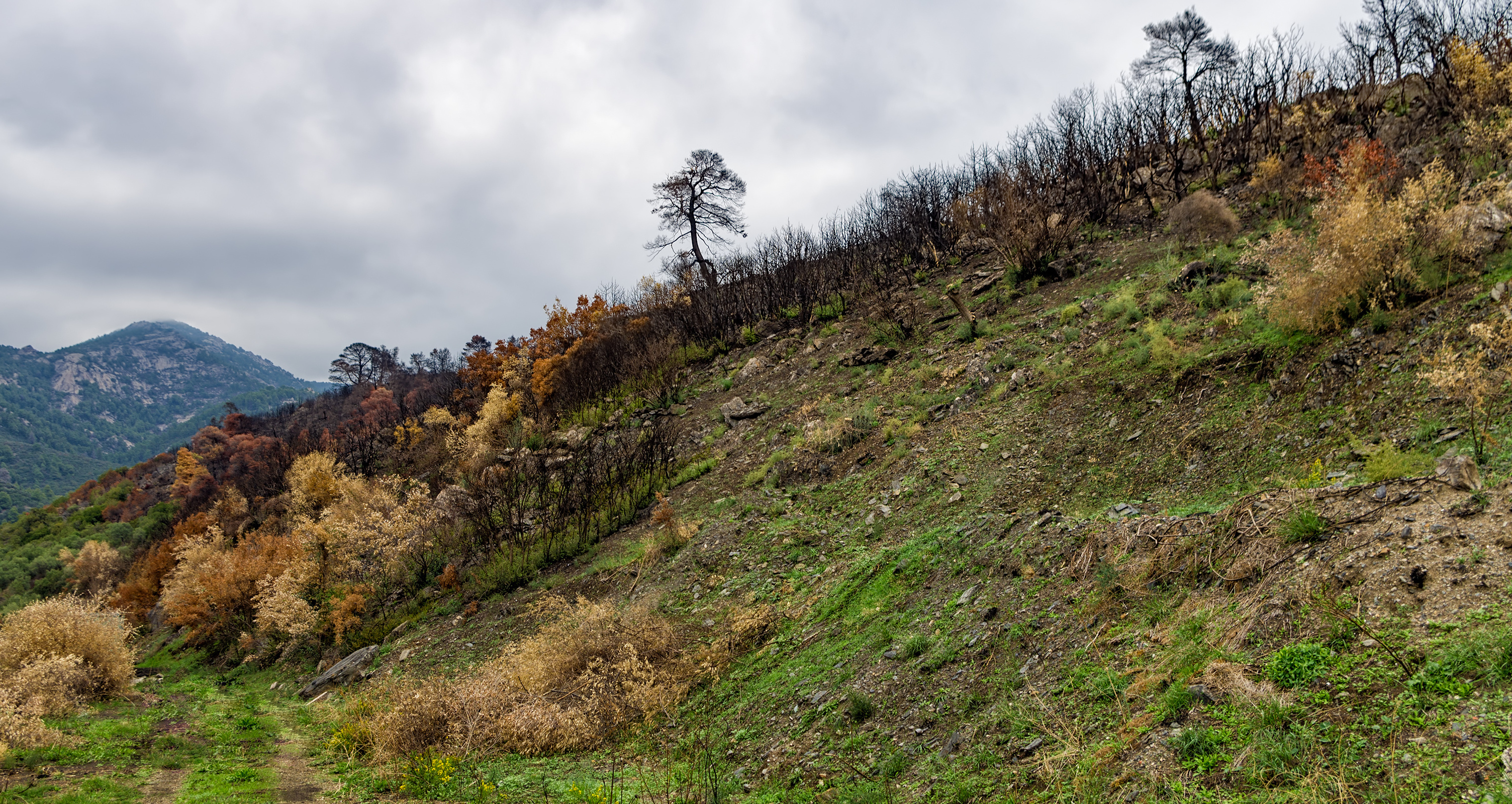
In North Macedonia, CTCN supported the enhancement of North Macedonia's wildfire information system. Implemented by KARTERIS APOSTOLOS – KARTERIS MARINOS OE, the project strengthened the country's capacity to monitor, manage and respond to wildfire risks.
To all current and future Network members: thank you for being part of this journey. We look forward to working together to turn expertise into impact and accelerate climate technology transfer where it is needed most.
To become a Network Member, please visit this page or reach out to [email protected].