News facts
Bonn, Germany, September 19, 2025 – Despite a backdrop of challenging global conditions, the Advisory Board of the UN Climate Technology Centre and Network (CTCN) endorsed its 2026 Annual Operating Plan with a 9 percent budget increase at its 26th meeting held on 12–17 September in Bonn, Germany.
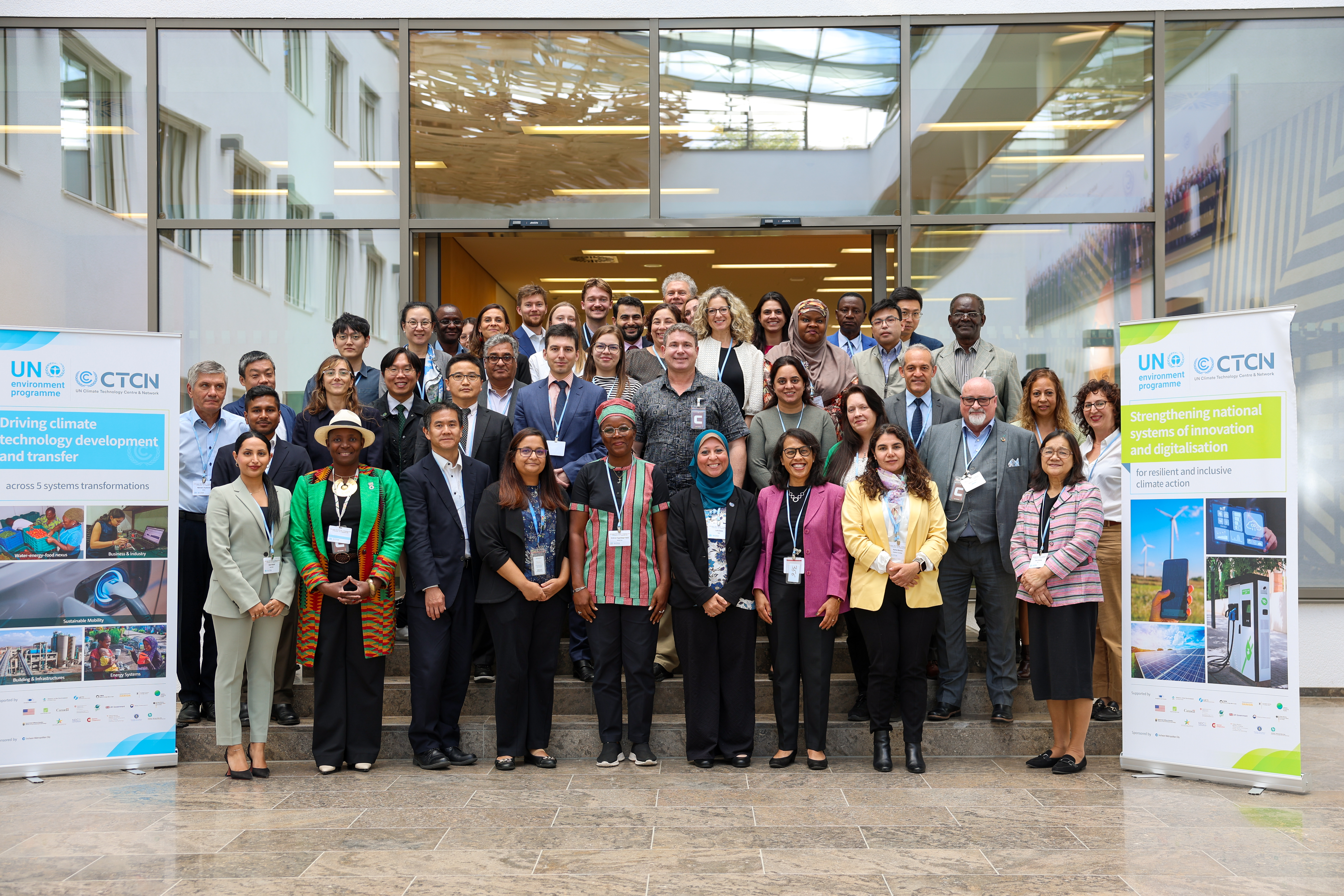
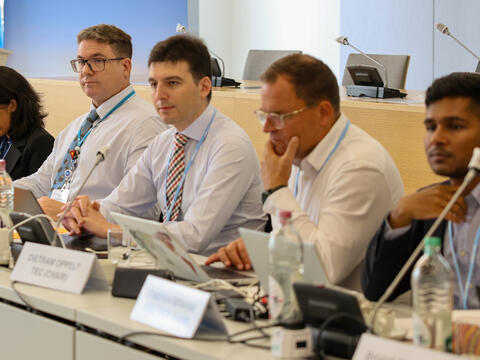
The meeting brought together sixteen Party members, six UNFCCC constituency representatives, and representatives of other UNFCCC bodies, with observers actively participating in discussions on technology and climate action.
The meeting opened with a joint session of the CTCN Advisory Board and the Technology Executive Committee (TEC), focusing on synergies in implementing the joint work programme. Members reflected on outcomes from the Bonn Climate Conference, preparations for COP30, the Technology Mechanism’s AI for Climate Action initiative(AI4ClimateAction) and other matters. Both bodies agreed on the Joint Chapter of the TEC–CTCN Annual Report for 2025, to be submitted ahead of COP30.
The Advisory Board hailed the meeting as historic, underscoring several landmark decisions and achievements that will shape the CTCN’s work moving forward. For the first time, the ceiling for technical assistance requests has been raised to $300,000, which will enable countries to access more substantial support for climate technology needs. Members also approved a 9 percent increase in the 2026 budget, a significant step forward despite global financial headwinds and budget cuts.
The Advisory Board emphasized the importance of partnerships, consolidating existing collaborations while also forging new ones with development banks, the private sector, and philanthropy, alongside other international actors, to amplify impact and strengthen resource mobilization efforts. It also celebrated the successful conclusion of the Adaptation Fund Climate Innovation Accelerator (AFCIA) I and European Commission-funded Climate Change and Security programmesand the ongoing rollout of AFCIA II.
Innovation remains the key theme, with members welcoming the massive year-on-year growth of participation in the AI for Climate Action Award, developed in partnership with the TEC, and the ongoing successes of the Youth Climate Innovation Programme – both signals of how emerging technologies are accelerating climate solutions. The meeting also saw progress on CTCN efforts to bridge technical assistance to the funding pipeline of the Green Climate Fund.
Finally, members agreed to strengthen the CTCN’s role as a facilitator of countries through the expansion of NDE Fora, continuing dedicated fora for Small Island Developing States (SIDS) while piloting the first forum for Eastern Europe in 2026.
“This meeting has been historic. It shows how practical multilateralism works when we work together. We not only secured a stronger budget and lifted the ceiling on technical assistance, but also positioned the CTCN to scale its impact through partnerships, innovation, and support to countries,” said Stephen Minas, CTCN Advisory Board Chair. “With these outcomes, the CTCN is ready to deliver more and faster in response to the urgent climate needs of developing countries. This is a time for investment, not cuts, to drive climate solutions that put people first.”
“The regional NDE meetings help place powerful new technologies in the hands of Small Island Developing States fighting the impacts of climate change,” said Christian Lohberger, Advisory Board Vice-Chair. “We also felt it was important to expand into Eastern Europe. Both regions face geopolitical challenges, and the increased uptake of climate technologies is a stabilising force in the face of ongoing environmental, socioeconomic, and security issues,” Lohberger noted.
As host of the CTCN, UNEP leadership engaged in the meeting to highlight the alignment between UNEP’s new Medium-Term Strategy and CTCN’s mission.
The Advisory Board meets twice a year to provide guidance on the CTCN’s operations and ensure alignment with the mandates of the Conference of the Parties (COP) of the UNFCCC and the Paris Agreement.