News facts
Last year, we shared the story of how solar-powered drying technology supported by the UN Climate Technology Centre and Network (CTCN) and, financed by the European Commission, began transforming women’s livelihoods and protecting woodlands in Gwanda District, Zimbabwe.
What started as a small-scale pilot to dry mopane worms using solar energy is now evolving into something much bigger: a government-backed effort to strengthen rural enterprise, secure water access, and build climate resilience from the ground up.
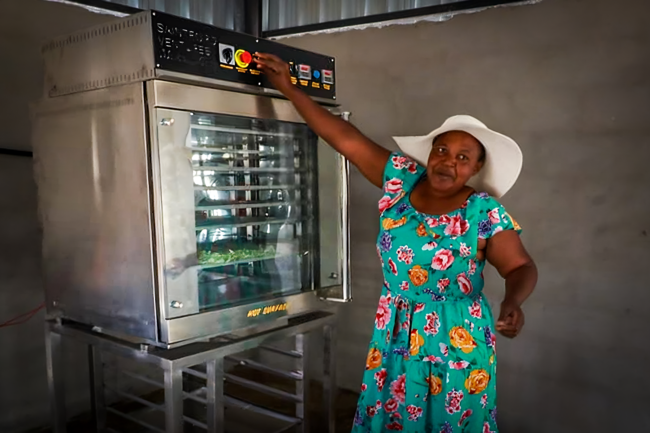
Photo Credit: Kuda Pedzisai
At the heart of this next phase is the Government of Zimbabwe’s commitment to scale up impact. Through its agencies Zimbabwe Energy Regulatory Authority (ZERA) and the Rural Infrastructure Development Agency (RIDA), authorities are financing a new borehole that will bring reliable water to the Gwanda business center. This water source will serve not only local entrepreneurs, but also the nearby health clinic and a school. In a district where climate change has intensified droughts and made farming increasingly unreliable, water is the single most critical resource - essential for hygiene, food preparation, processing activities, and overall community well-being.
Until now, the community has depended largely on shallow wells that often dry up during prolonged dry spells. RIDA’s geologists will identify sustainable groundwater sources, ensuring that water infrastructure is climate-resilient and long-lasting. This investment signals a broader recognition: rural enterprise cannot thrive without foundational infrastructure. By securing water access, the government is laying the groundwork for Gwanda’s business center to grow into a vibrant hub of activity.
“What makes this project so successful is that it truly looks at the local resources and ensures that they are protected, preserved and supported. We have great business ideas for scaling up the mopane worm business - we just need a chance to prove it, and additional financing", says Kudakwashe Pedzisai, Director for Product Development and R&D at OFF & TIE GRID SOLAR COMPANY. "This pilot provided just that - it is not just a technology, it is a critical intervention designed to break a cycle of environmental degradation. This is an opportunity to demonstrate what a community can achieve at small scale - a proof of concept that becomes a local economic engine, helping shift livelihoods from subsistence toward sustainable rural industrialization."
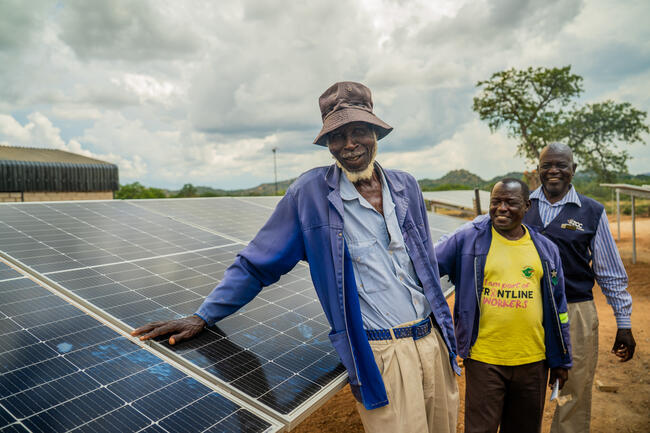
Photo credit: UN CTCN: Miranda Rikki Tasker
The solar dryer pilot demonstrated how one piece of climate-smart equipment can unlock new income streams. Traditionally, mopane worms are dried using firewood - contributing to deforestation and degrading the mopane woodlands that sustain the worms themselves. Solar drying reduces the risk of forest fires and the reliance on fuelwood while producing a cleaner, more hygienic product. But the true innovation lies in thinking beyond a single use.
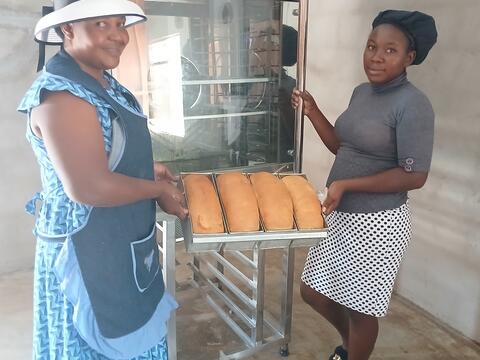
Mopane worms are harvested seasonally, primarily in December-January and March-April. For the rest of the year, the dryer should not sit idle. Community members are now exploring how to diversify its use: drying wild fruits, mushrooms, and honey; processing baobab fruit into powder for juice production; even baking bread and pizza for sale at the business center. During peak harvesting periods, approximately 30,000 people travel to Gwanda - some from as far as Harare - to collect mopane worms. These visitors need food and services. Local production could meet this demand while keeping more value within the community.
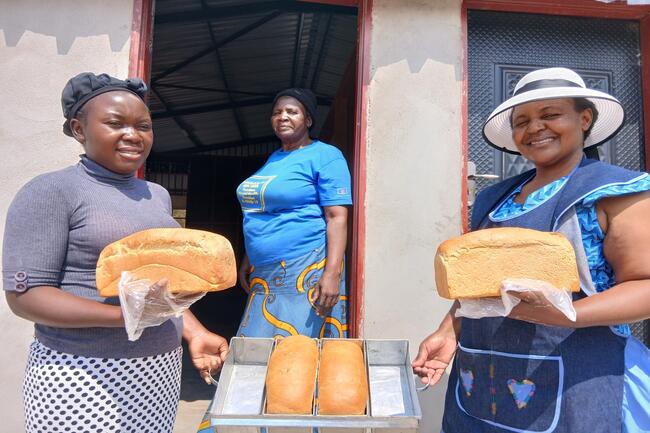
Photo Credit: Kuda Pedzisai
Importantly, the Government of Zimbabwe is treating mopane worms as a strategic national resource. An estimated 80% of Zimbabwe’s population consumes dried mopane worms, and the product also has regional markets in South Africa, Botswana, and Zambia. To protect this valuable industry, the Gwanda District is collaborating with the Forest Commission and the Rural District Council to strengthen sustainability by-laws and forest protection regulations. If mopane woodlands are cut down for fuel, the habitat disappears - and with it, both food security and economic opportunity.
New value chains are also emerging. Mopane worm “frass” (gut material) is being examined as a high-nutrient organic fertilizer with export potential. Meanwhile, baobab fruit, another local asset, will be processed collectively through cooperative models, increasing quality and market access.
Financial institutions are taking note. The local bank FBC has expressed strong interest in helping transitioning the initiative from a donor-funded pilot to a commercially viable enterprise by supporting the business model validation, establishing a framework to attract commercial debt, and the mobilization of private finance for upscaling and replication.
This alignment between community innovation, government infrastructure investment, environmental protection, and green finance represents a powerful model for rural transformation.
What began as a modest solar drying pilot supported by the CTCN and the European Commission is now catalyzing systemic change. With water security, policy support, diversified value chains, and climate-smart financing, Gwanda is demonstrating how innovation, when embedded in local ownership and national commitment, can turn climate risk into resilient opportunity.
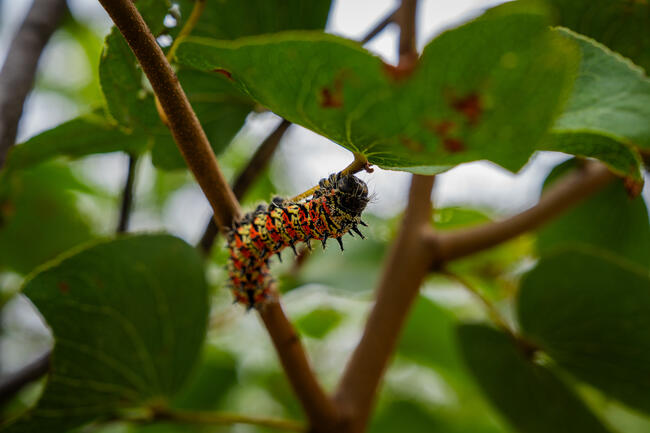
Photo credit: UN CTCN: Miranda Rikki Tasker