News facts
Climate change affects Honduras in profoundly different ways across the country. Along the Caribbean coastline, increasingly intense cyclones threaten lives and infrastructure. In the central and southern regions, prolonged droughts driven by El Niño and La Niña undermine agriculture and water security. At the same time, the country’s mountainous landscape makes many areas highly vulnerable to landslides.
These risks are compounded by poverty. Around 68% of the population lives in poverty or extreme poverty, limiting communities’ ability to prepare for and recover from climate shocks. Among the most vulnerable are Indigenous communities — particularly the Lenca people living in western Honduras around Montaña de Celaque National Park — who depend directly on natural resources for their livelihoods and cultural identity.
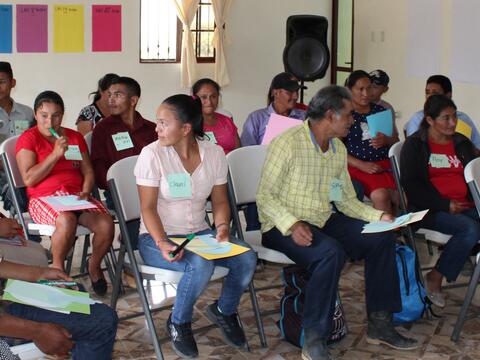
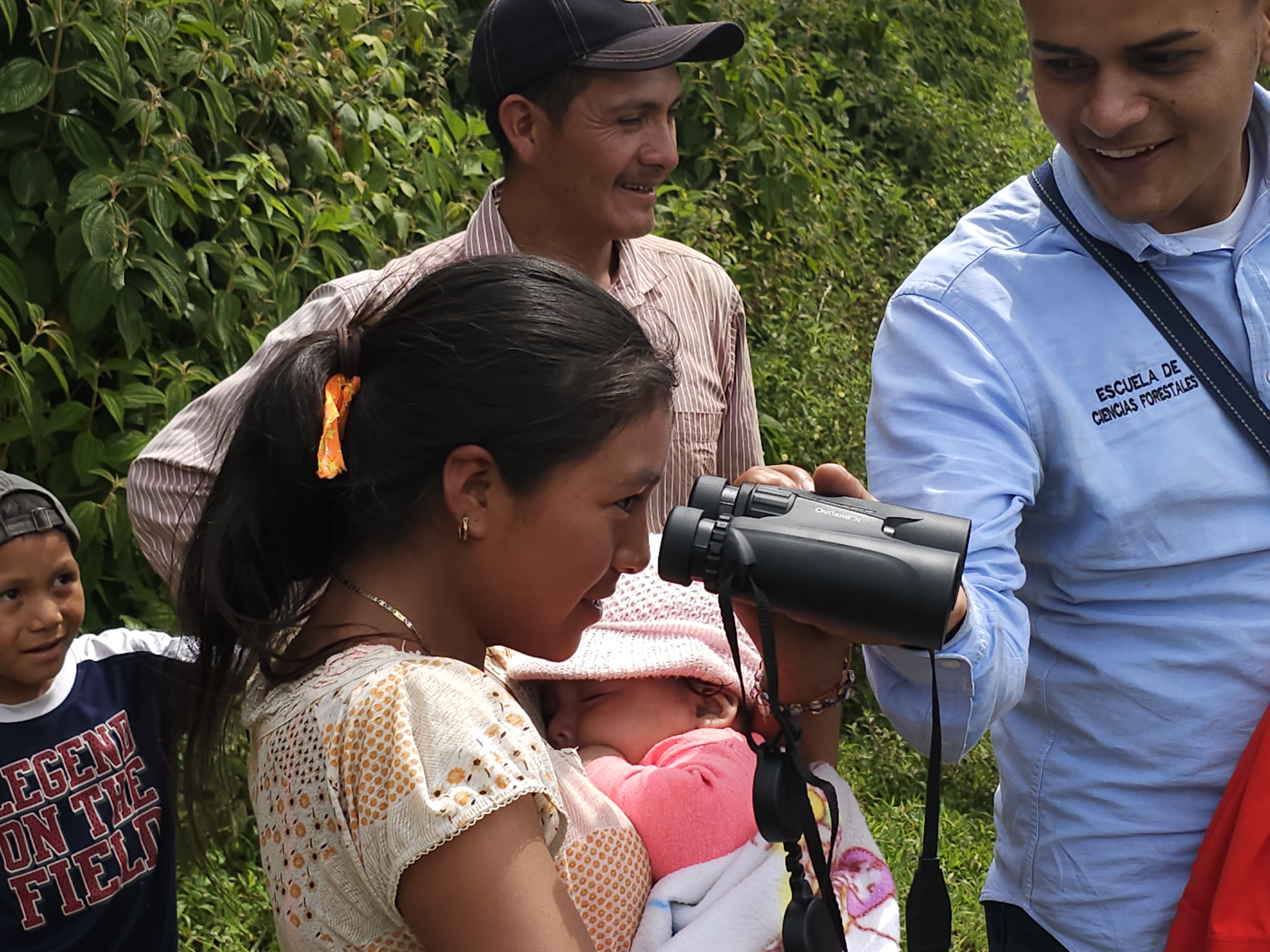
Recognising that lasting resilience must be locally led, a collaboration was formed between community resilience experts from the Government of Honduras (ICF), the UNESCO Chair in Sustainability, and the Universities of Aarhus and Southern Denmark. Supported by the UN CTCN and funded by the Adaptation Fund, the project worked closely with the Lenca community, and the partners to co-design and implement a nature-based adaptation plan grounded in Indigenous knowledge, science and local governance.
Together, the group carried out a detailed risk analysis of the park and surrounding areas, mapping zones most exposed to landslides. This process identified priority areas for tree planting to stabilise soils, as well as suitable zones for sustainable agriculture that reduce erosion and disaster risk while protecting ecosystems.
Beyond technical measures, the project placed strong emphasis on capacity building and cultural preservation. Strengthening local governance structures and safeguarding ancestral land stewardship practices are critical to ensuring that adaptation measures are coordinated, inclusive and sustainable. By empowering women, youth and Indigenous leaders, the initiative reinforces community ownership and long-term resilience.
“Protecting our territory means protecting our future.”
Community representative, Lenca People
Impact in numbers
- 874 Indigenous community members supported
- 50% women, 20% youth engaged
- Risk mapping completed for Montaña de Celaque National Park
- Zoning recommendations submitted to Congress
For more details on this project, please take a look at the Fact Sheet.
For more information on the AFCIA I Programme, click here.