Background
Bangladesh’s agriculture is vital for feeding the nation and supporting the economy, but it faces big challenges after harvest. Fruits and vegetables spoil quickly, and without proper cold storage, especially in rural areas, farmers often lose a large share of their produce. This leads to wasted food, lost income, and higher prices for consumers.
Most cold storage facilities are located in cities, run on expensive and unreliable grid electricity, and are built for large-scale operations. Small farmers in villages have little or no access to these services. The result is higher post-harvest losses and fewer opportunities for farmers to earn a fair price for their crops.
CTCN Support
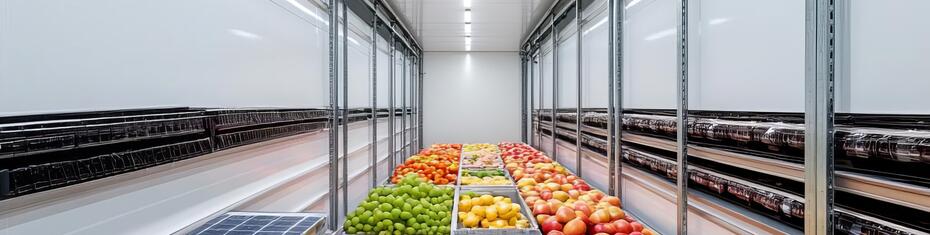
Through support from the Climate Technology Centre and Network, this technical assistance project will study and pilot solar-powered portable cold storage units for rural Bangladesh. These units use clean energy and low-temperature latent heat technology to keep fruits fresh for longer, without depending on costly grid electricity. The goal is to create a practical, affordable, and scalable model that can benefit smallholder farmers across the country.
Expected Outcome
By introducing portable solar cold storage, farmers will be able to store their produce for longer, reduce waste, and sell at better prices. This will not only improve rural incomes but also help cut greenhouse gas emissions from spoiled food. Over time, the approach can be scaled to more regions, making fresh food available to more people, strengthening the agricultural economy, and contributing to Bangladesh’s climate and development goals.


