News facts
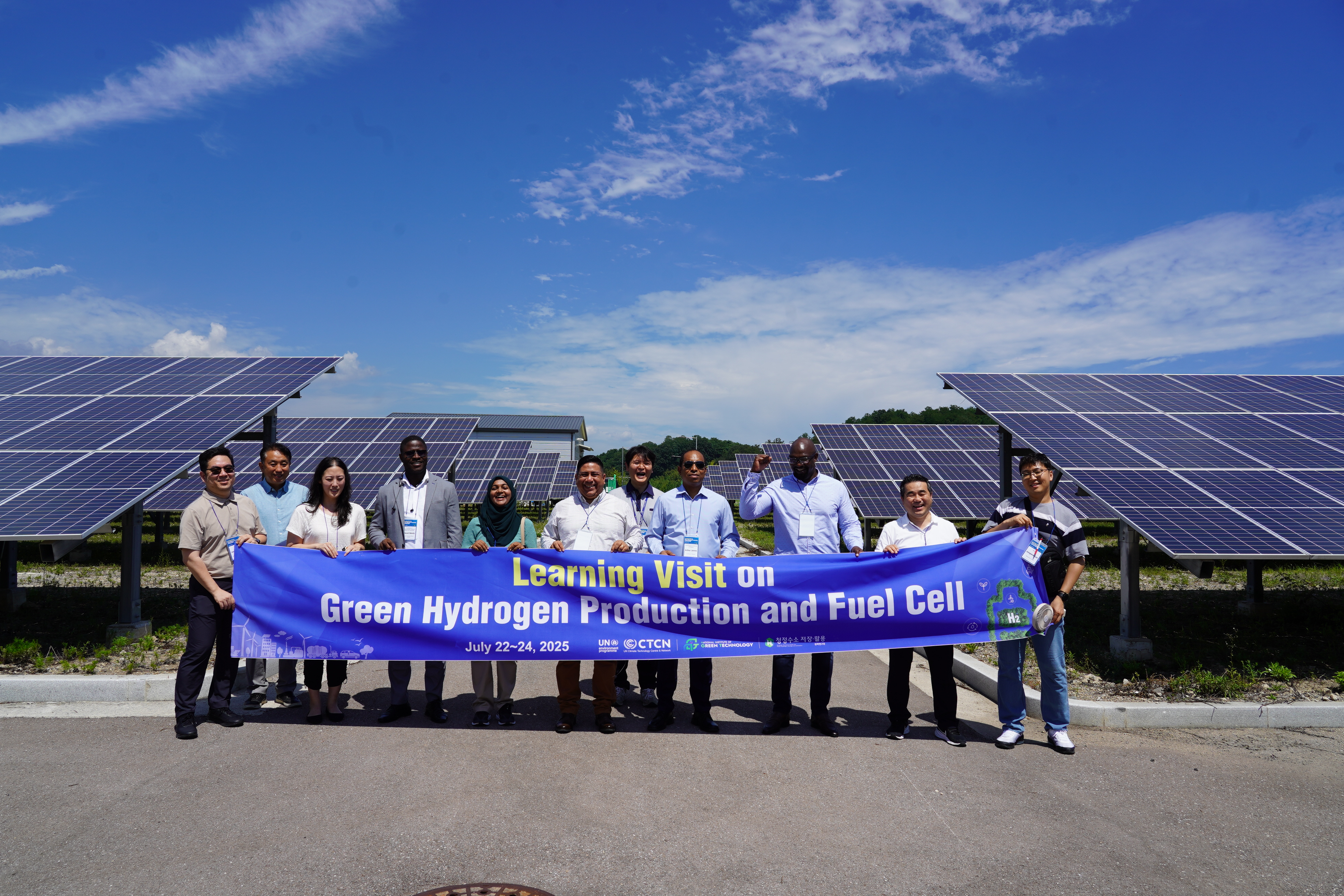
What does it take to help developing countries advance in their energy independence while lowering emissions? One truly interesting possibility is the development of green hydrogen. Last month, in a push towards carbon neutrality and energy innovation, five energy professionals from around the world came together in South Korea to explore advancements in this fascinating area of green hydrogen and fuel cell technologies. Over three days, participants from Panama, Zimbabwe, Belize, Gambia, and the Maldives engaged with Korean experts and institutions at the forefront of hydrogen research and application.
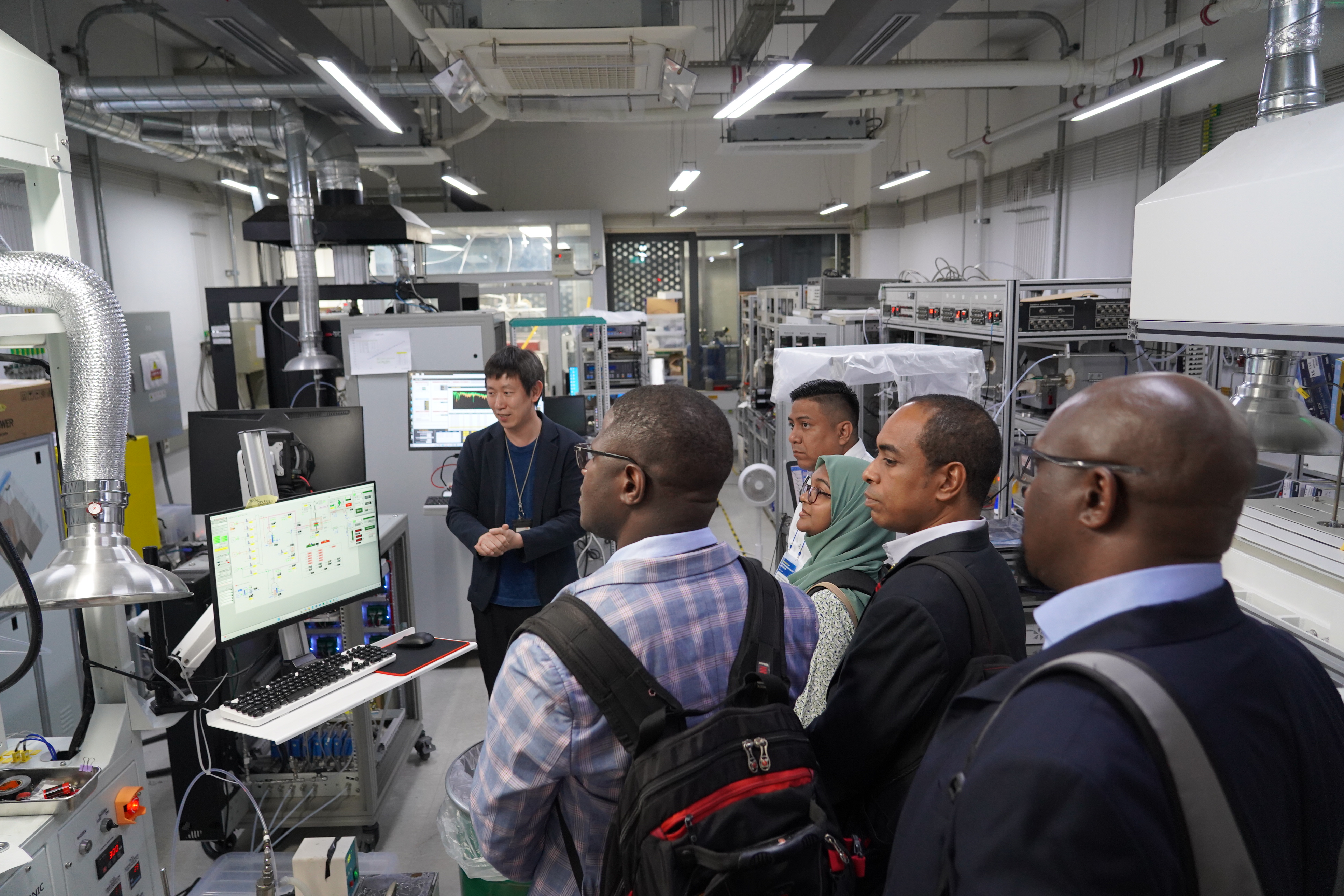
This learning visit was organized by UN Climate Technology Centre and Network (CTCN) Partnership and Liaison Office (PALO) located in Korea, in collaboration with leading Korean partners, including the Korea Institute of Science and Technology (KIST), Korea Research Institute of Chemical Technology (KRICT), East West Power Co. Ltd (EWP), National Institute of Green Technology (NIGT), and the Strategic Research Center for Clean Hydrogen Storage and Utilization.
Visit to the Korea Institute of Science and Technology (KIST), in Seoul
The visit kicked off at KIST, where the five participants shared their country’s current energy mix, hydrogen strategies, and R&D initiatives. They described where they are now and where they are headed. These perspectives laid the groundwork for a meaningful exchange of ideas and discussion of challenges across continents.
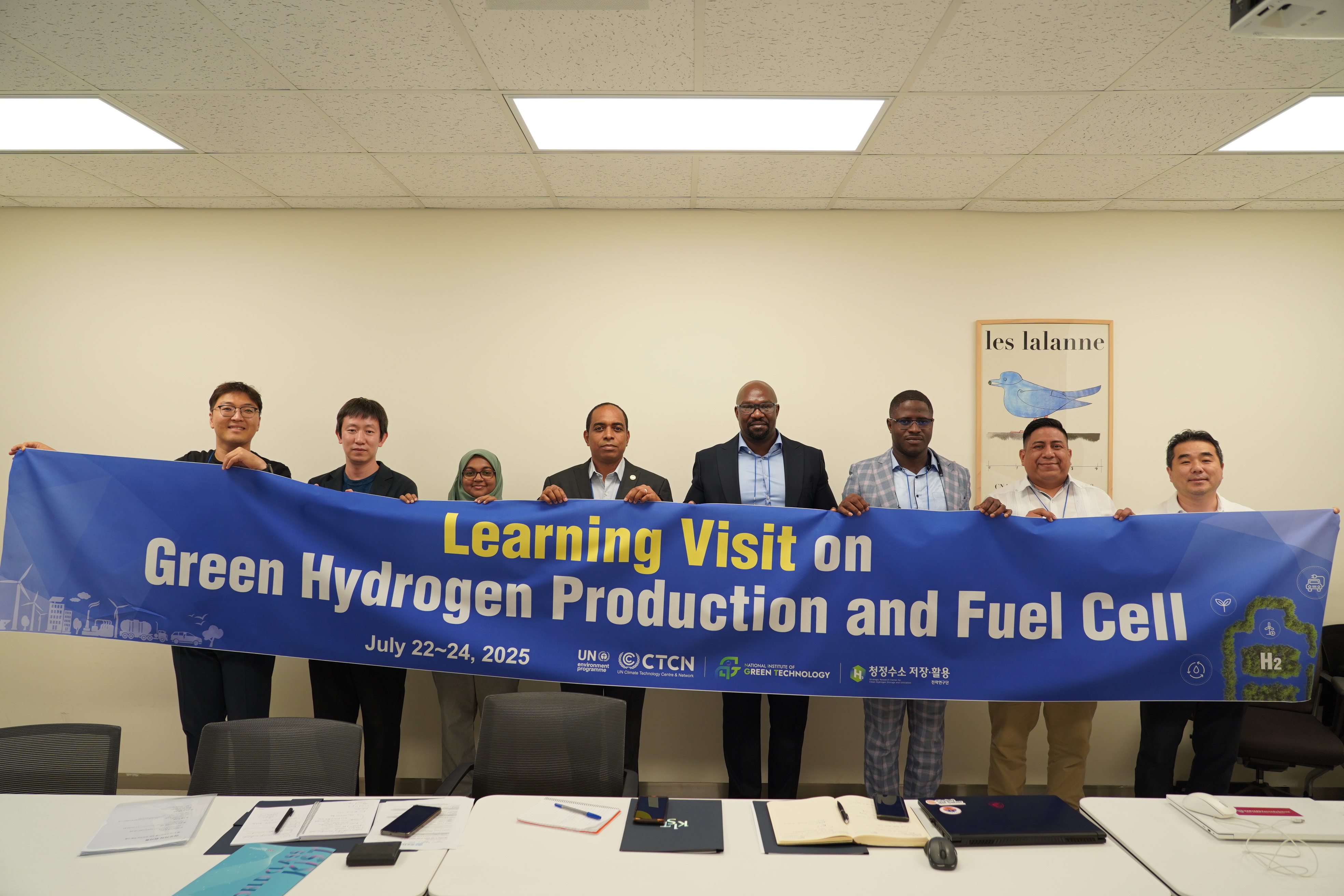
Then, KIST researchers introduced cutting-edge research on:
- Green hydrogen production via Proton Exchange Membrane (PEM), Anion Exchange Membrane (AEM), and Solid Oxide (SO) water electrolysis.
- Hydrogen storage using Liquid Organic Hydrogen Carriers (LOHC).
- Energy production using Solid Oxide Fuel Cells (SOFC).
The experts visited KIST’s advanced laboratory facilities and actively discussed R&D and commercialization potential, startup support (particularly through access to patents), and ways to collaborate with universities, especially with a view to engaging foreign students coming to Korea.
🔍 Key question: How can smaller or developing countries leapfrog to hydrogen innovation using existing research and global partnerships?
Visit to Korea Research Institute of Chemical Technology (KRICT), in Daejeon
At KRICT, the experts gained insights into emerging hydrogen technologies and storage solutions. The presentations included:
- A hydrocarbon-based PEM water electrolysis system.
- Electrochemical hydrogen storage using a palladium membrane.
The group toured laboratory facilities and raised questions around cost-effectiveness and scalability, opportunities for international collaboration, and R&D-to-market transitions in hydrogen technologies.
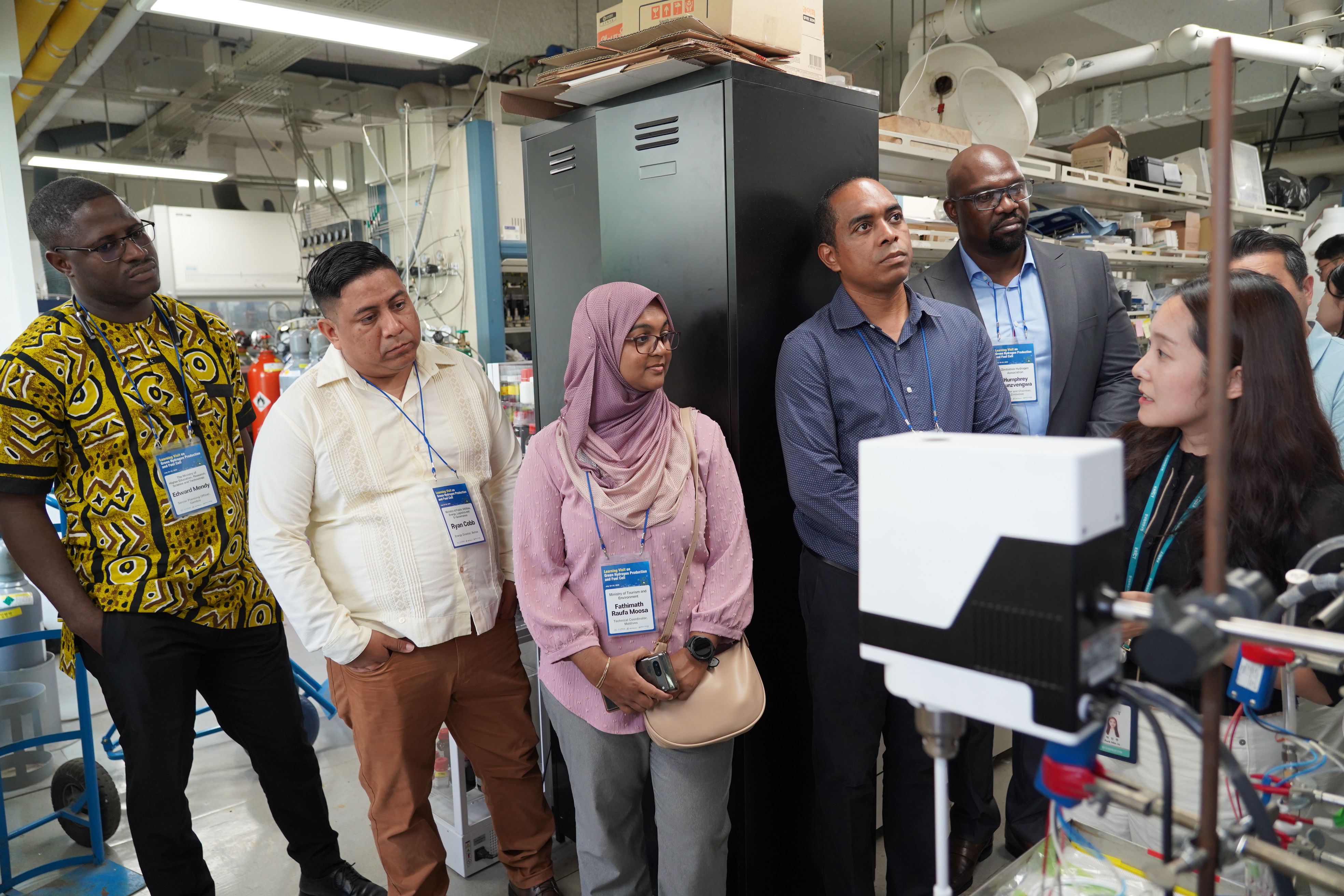
The focus of the day centered on how institutions like KRICT are bridging the gap between innovative chemical research and real-world applications, an area many participants were keen to replicate in their home countries.
Visit to East West Power (EWP) Co. Ltd. & RD&D Sites, in Donghae and Samcheok
The final day offered a closer look at real-world deployment. EWP staff introduced the company's strategy to increasing renewable energy capacity — currently including solar PV, fuel cells, biomass, and wind.
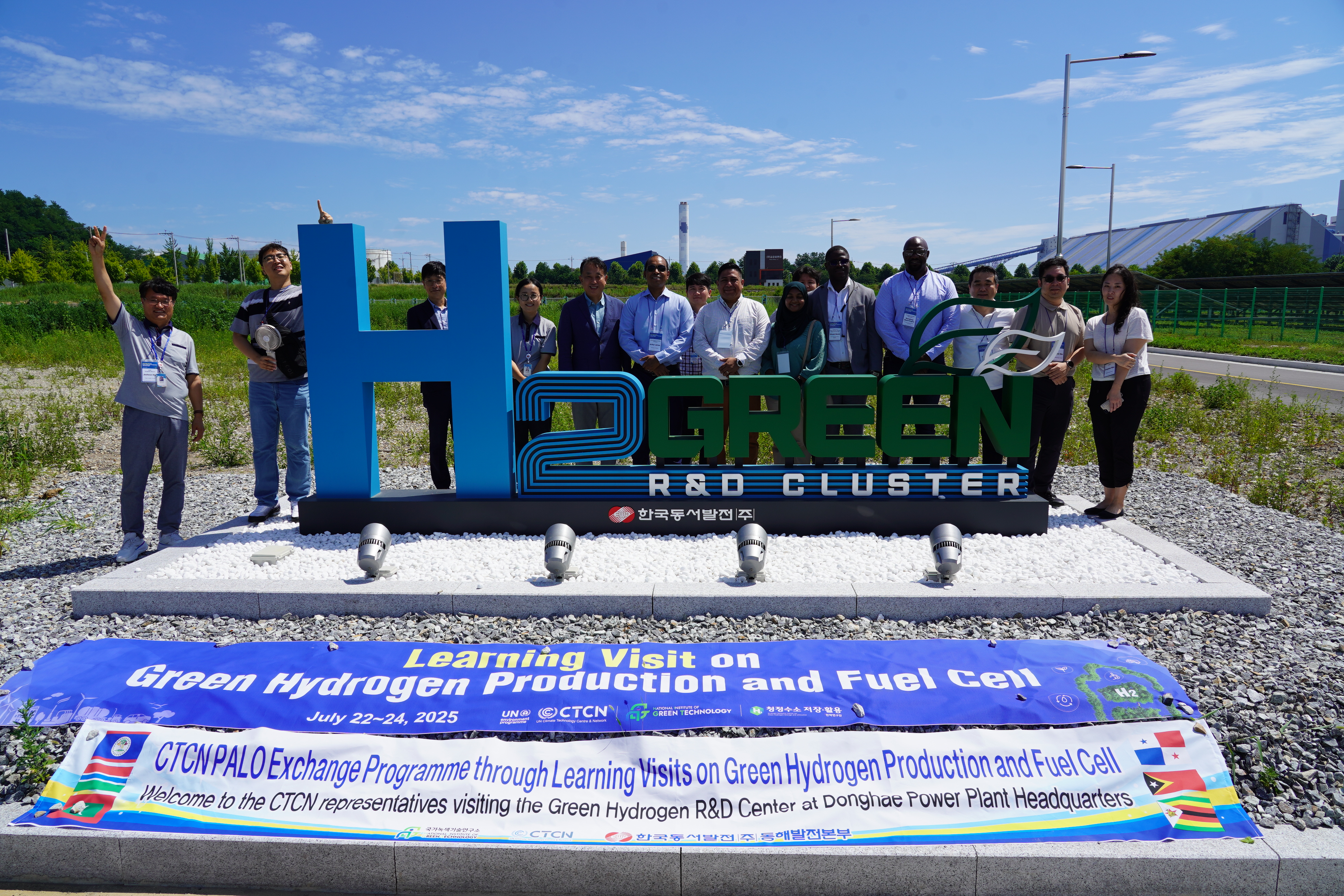
Participants explored:
- A 3.4 MW solar farm integrated with alkaline water electrolysis for hydrogen production.
- National safety standards for green hydrogen development.
- Fuel cell power generation units and innovative residual heat utilization systems.
- A unique "Hydrogen Town" of nine homes powered by solar, geothermal, and 1 kW fuel cells.
The discussions dove deep into technical and socio-economic dimensions, and included conversations around production efficiency and operational parameters, community-level applications of hydrogen for cost savings, GHG emissions reduction, and energy independence, and finally, opportunities for academic and private sector collaboration opportunities.
"This learning visit has given me the opportunity to learn about green hydrogen production and fuel cell. In Maldives, hydrogen is not currently utilized. This programme has given me exposure to the chemical processes, safety aspects, and regulatory frameworks of hydrogen, including its applications in homes and vehicles. As a potential future fuel in the Maldives, regulation and safety training will be needed — areas where further support could be essential."
— Ms. Fathimath Raufa Moosa, Technical Coordinator, Ministry of Tourism and Environment, Maldives
🤝 Looking Ahead
This visit not only deepened technical understanding but also planted the seeds for future cooperation between Korean institutions and global stakeholders from the Global South, facilitated by CTCN. From lab breakthroughs to community-powered hydrogen systems, the learning visit underscored the transformative potential of hydrogen energy — especially when paired with inclusive collaboration and knowledge exchanges.
As the world races toward a cleaner future, partnerships like these are proving to be crucial building blocks for sustainable innovation.