News facts
📍 Dakar, Senegal | 20–23 July 2026
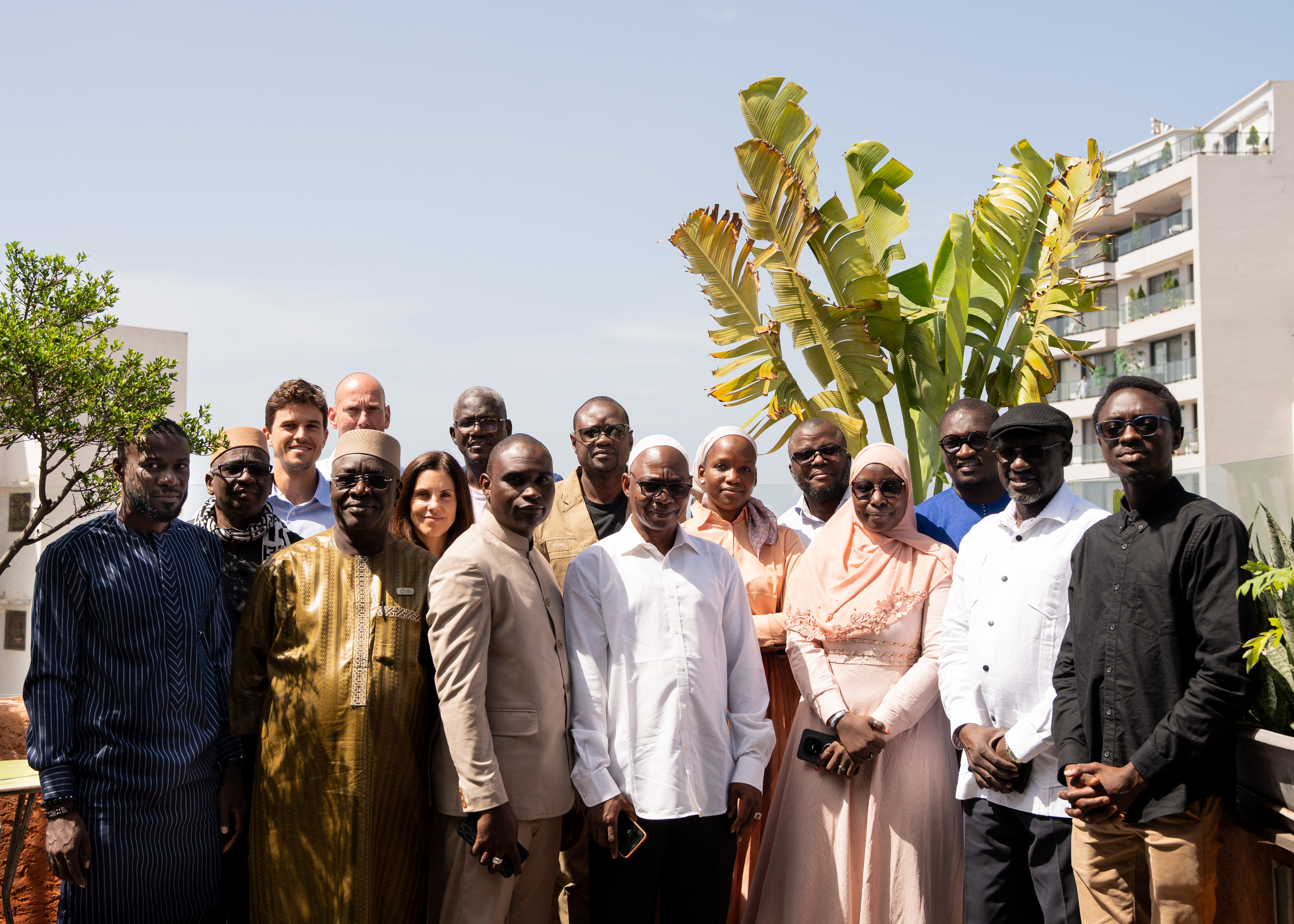
Nine energy professionals from Mali have completed an intensive capacity building workshop in Dakar, Senegal, to strengthen the country's ability to improve the energy performance of public buildings.
Held from 20 to 23 July 2026, the training will help equip Malian experts to conduct energy audits independently, supporting the planned assessment of an initial 20 public buildings as part of efforts to reduce energy waste and ease pressure on the country's electricity system.
The workshop was delivered through technical assistance from the Climate Technology Centre and Network (CTCN) and implemented by CUES Analytics and ENI-ABT (École Nationale d'Ingénieurs Abderhamane Baba Touré) in partnership with the Malian ESCO association REE-IGEM. The delegation included energy auditors from six Malian energy service companies (ESCOs), representatives of REE-IGEM, and technical experts from ENI-ABT.
The initiative comes at a critical time for Mali's energy sector. According to Bagui Diarra, President of REE-IGEM (Network of Experts for the Promotion of Energy Efficiency and the Integration of Gender in Access to Energy in Mali), buildings account for around 90% of the country's electricity consumption, while an estimated 35% of that energy is lost through inefficiency. In a country where electricity access remains limited, reducing these losses can lower costs, improve energy security and help relieve pressure on an already constrained power system.
From classroom learning to field application
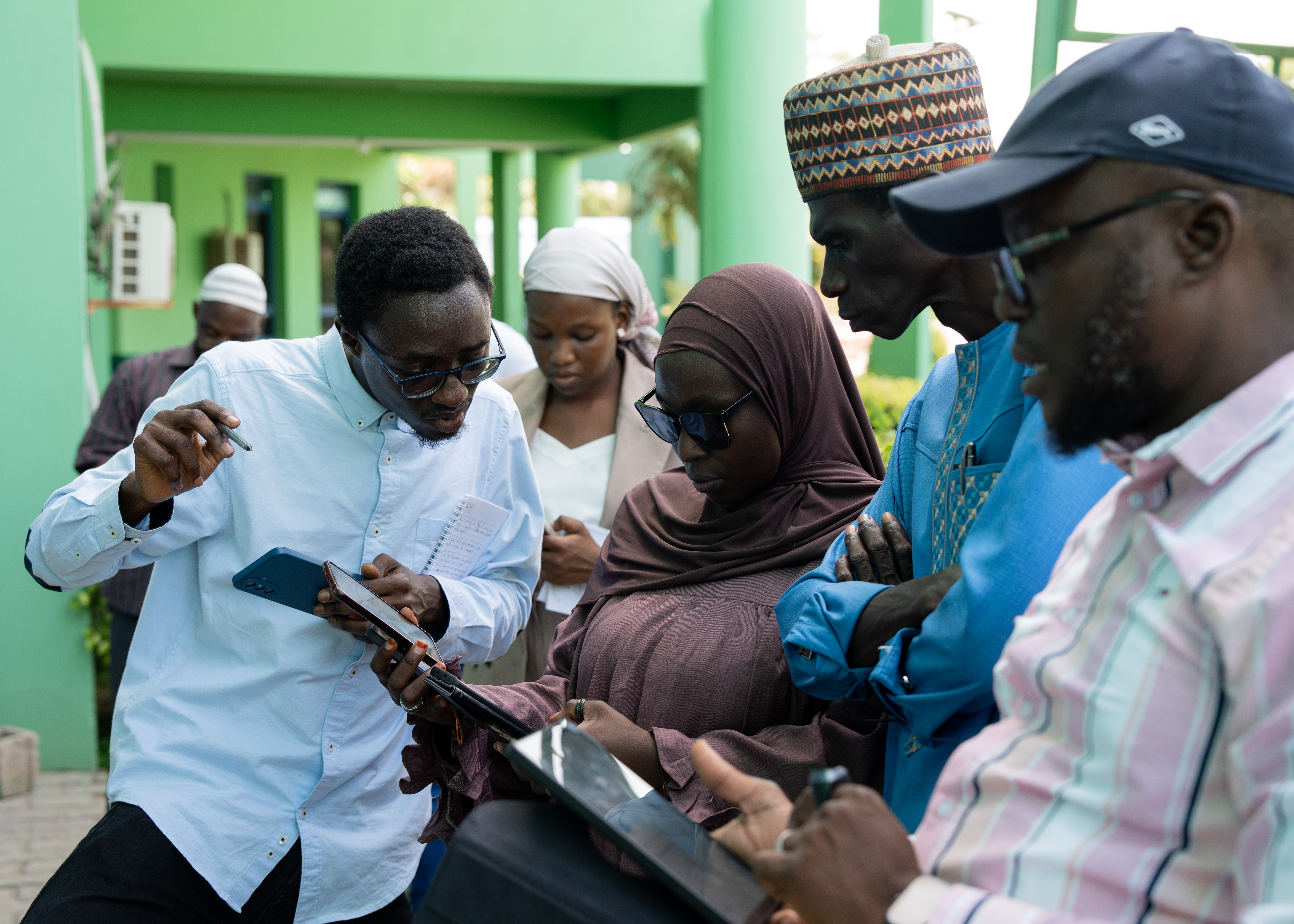
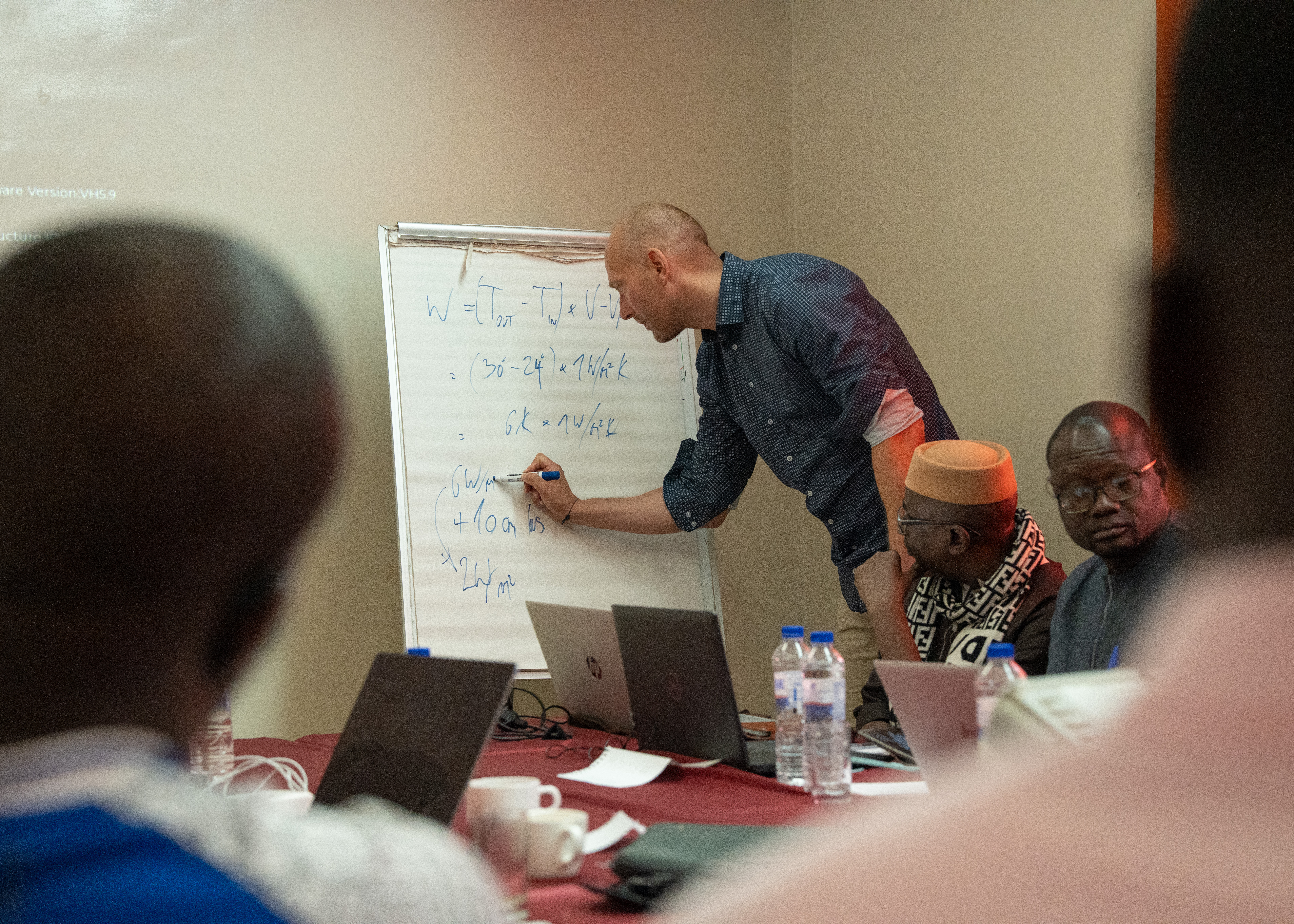
Over four days, participants combined classroom instruction with practical field experience, following the complete methodology for conducting energy audits in public buildings. Sessions covered international standards, the key stages of an audit, Mali's regulatory framework, and the assessment of major sources of energy consumption, including lighting, heating, ventilation and air conditioning (HVAC), electrical equipment and the building envelope.
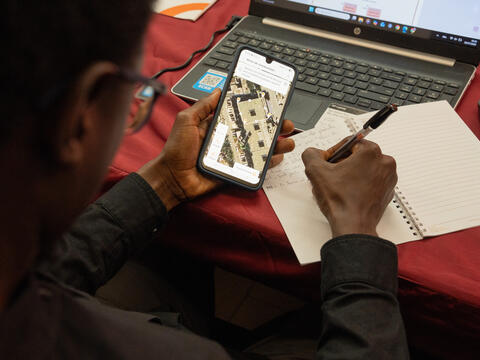
A central component of the workshop was hands-on training using CAPSA, a digital energy audit platform that enables users to model buildings, record their physical characteristics and technical systems, and analyse energy performance data.
Participants then applied both the methodology and the software during a full-scale energy audit of the Ministry of the Environment and Ecological Transition building in Dakar. Working in teams, they carried out on-site measurements, collected and validated data, and jointly reviewed the challenges encountered during the exercise.
The final sessions focused on translating audit results into practical investment decisions. Participants used CAPSA to assess energy efficiency measures and explored methods for prioritising interventions based on cost-benefit analysis and carbon reduction potential. The workshop concluded with discussions on financing energy efficiency projects, the role of ESCOs in project implementation, and the roadmap for auditing the 20 targeted public buildings in Mali.
A two-way peer-learning exchange
Beyond the technical training, the workshop provided a platform for knowledge exchange between Malian and Senegalese institutions. Alongside the classroom sessions, the Malian delegation met with Senegal's National Designated Entity (NDE) and the country's Super-ESCO, hosted by the Agence pour l'Économie et la Maîtrise de l'Énergie (AEME), to exchange experience on business models, project development and skills transfer. Senegalese authorities also facilitated the practical field audit by granting participants access to the Ministry of the Environment and Ecological Transition, enabling the visiting team to apply their newly acquired skills in a real public building.
Bagui Diarra, President of REE-IGEM / the ESCO Association (Mali), said:
"For Mali's ESCOs, this week was a turning point. Our auditors did not just learn a methodology in a classroom – they applied it in a real building, from data collection through to the analysis of concrete efficiency measures. With a shared approach and hands-on experience, we now have the means to carry out the audits of 20 initial public buildings at home and to build a durable market for energy services in Mali."
El Hadji Diop, NDE Senegal, added:
"Senegal was proud to host our Malian colleagues and to open the doors of our institutions, including for the field audit at the Ministry of Environment. What made this workshop special was that the exchange went in both directions: our teams and the Super-ESCO shared their experience, and we learned just as much from the questions and the context that Mali brought. This is exactly the kind of South–South cooperation that the CTCN network is meant to make possible."
York Ostermeyer, CEO of CAPSA, said:
"Energy auditing only creates value when the data is reliable and comparable. Training the Malian experts on CAPSA inside a real building – drawing the envelope, entering the technical systems and then analysing the results together – now provides them with a tool to deliver on that need. Reliable, comparable audits are what allow future projects to speak the same language to banks and decision-makers."
Next steps
With the training completed and a deployment plan in place, the focus now shifts to implementation in Mali. The participating ESCOs will carry out energy audits of an initial 20 public buildings in 2026, laying the foundation for a longer-term ambition to assess 300 to 400 public buildings by 2030. Building on the partnerships and peer learning established in Dakar, the initiative aims to strengthen national expertise, expand Mali's energy services market and accelerate efforts to reduce energy losses across the country's public building stock.