
News facts
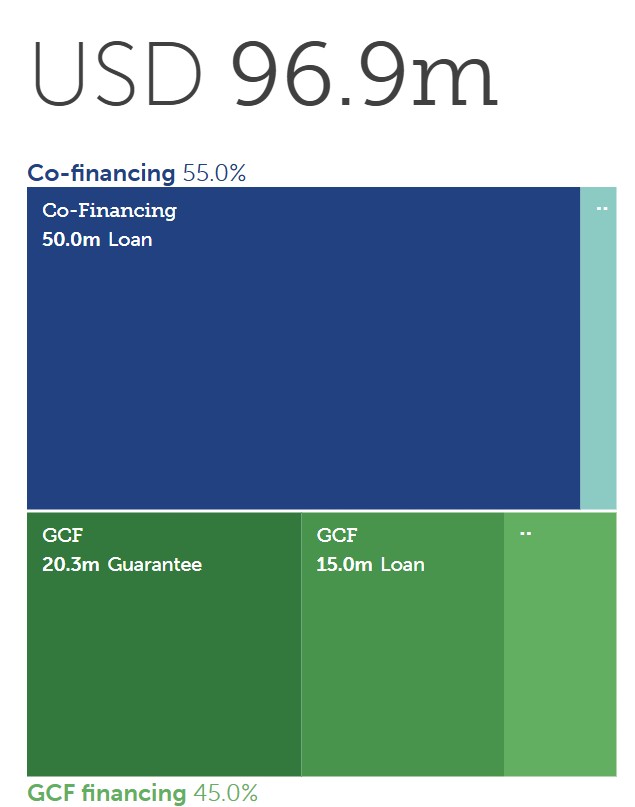
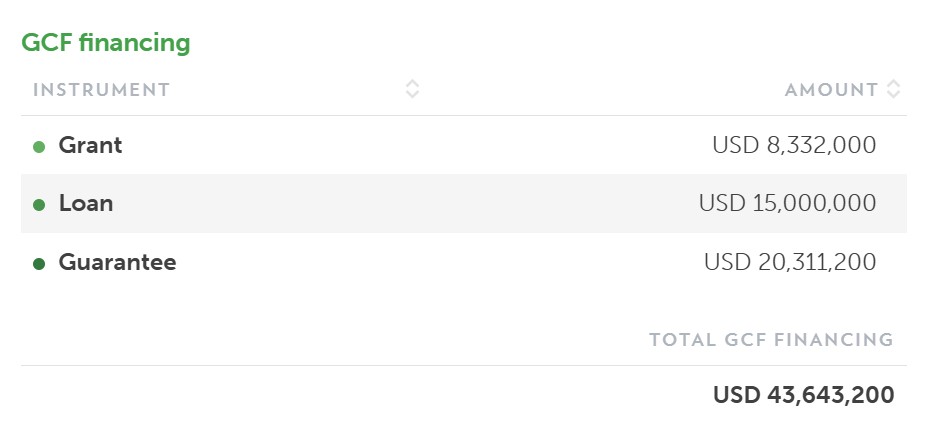
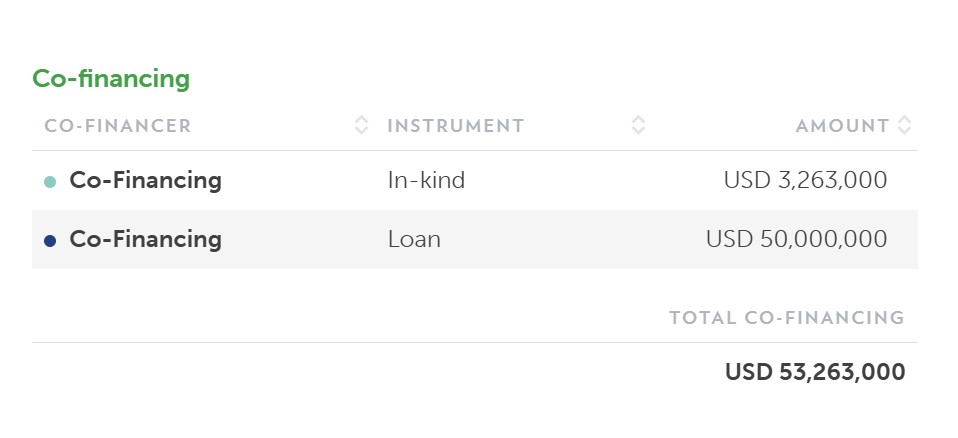
In a breakthrough for climate technology deployment, the Kenya Commercial Bank (KCB) has secured financing from the Green Climate Fund (GCF) to the tune of USD 43.6 million dollars for a 96.9 million dollar programme for the establishment and demonstration of a scalable, de-risked local currency lending facility for climate-vulnerable farmers in Kenya. This was facilitated with the initial support from the UN Climate Technology Centre and Network (CTCN) and its network member Sustainable Solutions for Africa (SSA), for securing a GCF Project Preparation Facility grant.
The programme marks a significant milestone: For the first time, CTCN assistance tailored towards securing a project preparation support from the GCF to a GCF Direct Access Entity (DAE) has directly enabled access to full-scale GCF financing. This initiative will now drive nationwide climate action, bringing climate-smart technologies and green financing to an estimated 935,000 people across the country.
At its core, the programme focuses on empowering micro, small and medium-sized enterprises (MSMEs), the backbone of Kenya’s economy, to adopt technologies that strengthen resilience, boost productivity, and support sustainable growth.
CTCN Advisory Board Chair Stephen Minas welcomed the outcome, stating: "This is the CTCN delivering on its promise, unlocking finance at scale that will empower climate-vulnerable communities to build a better future."
The GCF highlights its catalytic role in advancing technology-driven adaptation and mitigation [Footnote] by addressing structural barriers that limit access to climate finance for the most vulnerable. In contexts such as Kenya, MSMEs and farmers face acute exposure to climate shocks, compounded by limited access to finance and continued reliance on inefficient and emissions-intensive practices.
|
Image
|
Image
|
From Early-Stage Support to Transformational Investment
This achievement highlights the catalytic role of CTCN in bridging the gap between climate innovation and climate finance.
From the outset, CTCN worked closely with KCB Bank to turn an idea into a bankable, investment-ready programme. Through targeted technical assistance, CTCN:
- Developed the initial concept note and conducted feasibility assessments.
- Strengthening links between the UNFCCC Technology Mechanism and Finance Mechanism.
- Identified priority climate technologies tailored to MSME needs.
- Provided policy guidance, capacity building, and access to its global network of experts.
The result is a powerful demonstration of how relatively modest, early-stage technical support can unlock large-scale financing and accelerate the deployment of climate solutions where they are needed most.
Strengthening Resilience and Economic Opportunity in Kenya
Kenya is increasingly vulnerable to climate impacts - from prolonged droughts and erratic rainfall to flooding - affecting agriculture, water systems, energy supply, and public health. These impacts are projected to cost the country up to 2.8% of GDP annually.
At the same time, MSMEs, responsible for more than 80% of employment, face significant barriers in accessing the financing needed to invest in climate-smart technologies.
This programme directly addresses both challenges by combining finance, technology, and capacity building at scale. Key components include:
- Affordable, tailored credit lines for MSMEs.
- Deployment of climate-friendly technologies across agriculture, renewable energy, water efficiency, waste management, and clean production.
- A strong focus on adaptation, gender equality, and inclusive growth.
- Climate risk assessment tools and technical capacity building.
- A Circular Economy Data Hub to foster innovation and knowledge sharing.
By leveraging KCB Bank’s nationwide network and Kenya’s dynamic entrepreneurial ecosystem, the programme is uniquely positioned to scale rapidly across the country.
“This achievement highlights the strength of the UNFCCC Technology and Finance Mechanisms working hand in hand. The CTCN’s early support helped KCB shape a strong, investment‑ready proposal and connect with the Green Climate Fund. By acting as a trusted matchmaker and technical partner, we helped unlock significant resources that will expand access to climate technologies across Kenya. This is exactly the kind of catalytic impact we aim to deliver,” said Ariesta Ningrum, Director of UN CTCN.
A Coalition for Impact
The programme brings together a strong coalition of Kenyan and international partners, ensuring that MSMEs receive not just financing, but the full ecosystem of support required to adopt and scale new technologies.
Some of the key partners include the Kenya Climate Innovation Centre, the Ministry of Industrialization, Trade and Enterprise Development, the National Environment Management Authority and the Kenya Association of Manufacturers. This multi-stakeholder approach enables a holistic model, combining finance, policy, innovation, and market access.
Delivering Impact at Scale
The programme is expected to deliver significant mitigation and adaptation benefits, including:
- Reduced greenhouse gas emissions
- Increased resilience of MSMEs to climate shocks
- Improved resource efficiency and cleaner production
- Strengthened technology transfer and local innovation
- Long-term sustainability through circular economy integration
By closing the gap between climate technology needs and accessible finance, this initiative sets a powerful precedent for future collaboration between national financial institutions, CTCN, and the Green Climate Fund.
GCF Support:
Through this initiative, GCF deploys concessional capital in a blended finance structure, anchored by a dedicated credit guarantee, to de-risk local currency lending and expand access to longer-tenor, affordable financing, enabling KCB Bank Kenya Limited to scale investments in climate-smart technologies across high-risk and underserved counties. By combining a dedicated lending facility with a portfolio-based GCF guarantee and targeted technical assistance, the programme addresses both financial and non-financial constraints. The guarantee reduces collateral requirements and credit risk for lending to the hardest‑to‑reach borrowers, particularly in climate‑vulnerable ASAL counties, while enabling the pass‑through of concessionality to end beneficiaries. The technical assistance strengthens climate risk assessment frameworks, builds capacity across financial intermediaries and value chains, and enhances market linkages, and supports institutional systems to sustain adoption.
This integrated approach not only facilitates immediate access to resilience enhancing solutions for over 112,000 direct beneficiaries across Kenya’s most climate-vulnerable counties, but also establishes a scalable model to crowd in private capital, reinforce market confidence, and accelerate the systemic uptake of resilience-enhancing technologies in alignment with national climate and development priorities.
- [Footnote] The FP targets 52% adaptation and 48% mitigation impact.
For more details, please take a look here:
- CTCN project page: MSMEs’ Climate Sound Technologies for Production Efficiency and Business Value in Kenya
- GCF project page: https://www.greenclimate.fund/project/fp292