Events facts
Asia/Seoul
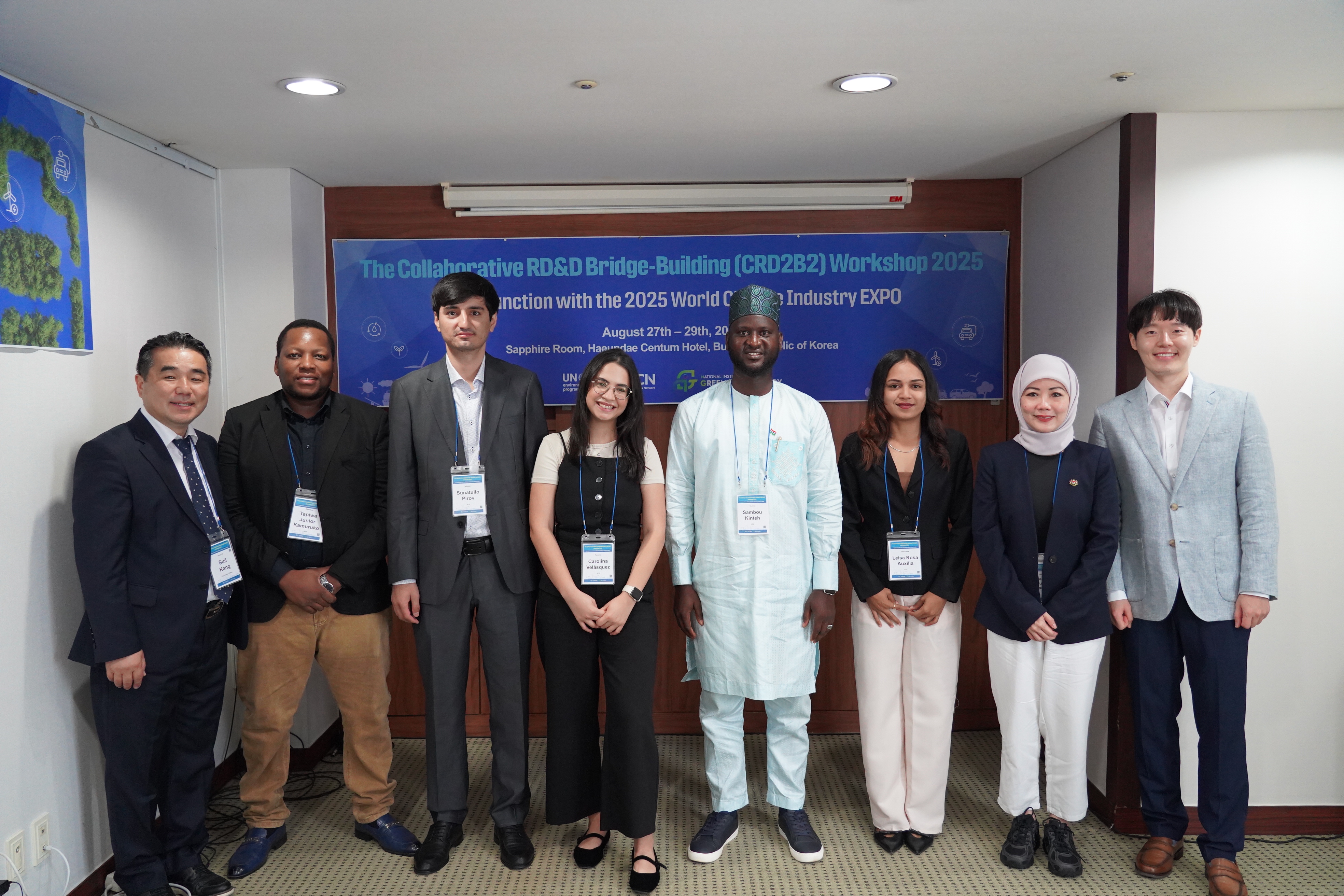
In conjunction with the 2025 World Climate Industry EXPO in Busan, Republic of Korea, the CRD2B2 Workshop was held, co-hosted by CTCN and the National Institute of Green Technology
The Workshop facilitated bridge-building for future collaborative RD&D activities on climate technologies, and south-south, north-south, and triangular cooperation and networking with the private sector.
In detail, it explored collaborative RD&D opportunities and showcased Korean climate technologies. It featured technology exhibitions, host targeted matchmaking sessions on energy-storage systems (ESS) with UNFCCC TEC, based on the current work on energy storage under RD&D, KIER (Korea Institute of Energy Research) and NIGT (National Institute of Green Technology), and organized a Project Concept Paper (PCP) clinic to refine emerging collaboration ideas.
Outcomes of Workshop:
-
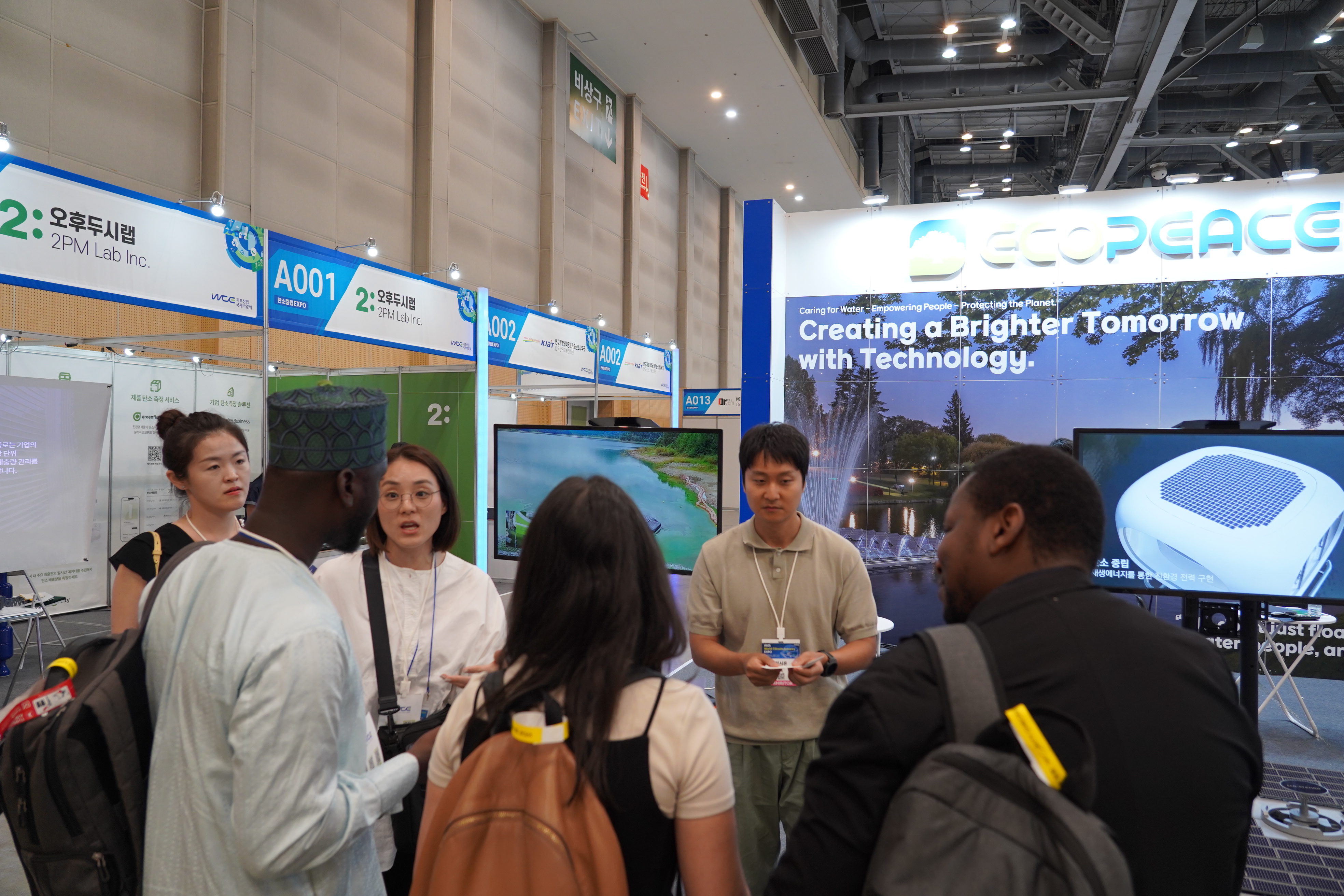
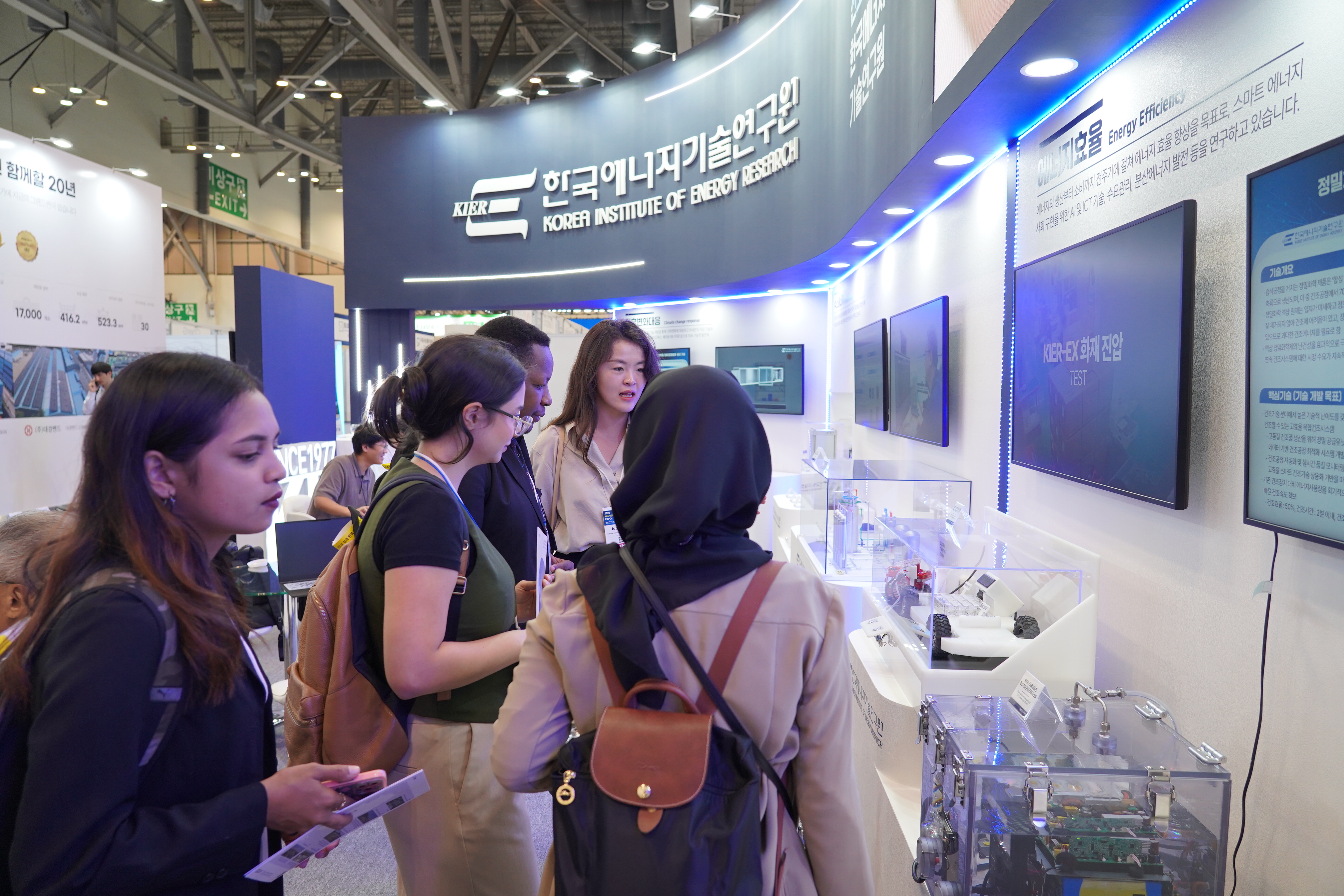
Participants visited booths of Korean companies and research organizations in energy and carbon reductions, and attended a technology talk.
-
Key messages from the Korea-World Bank Forum:
-
The urgency of green energy transition aligned with net zero targets, replying on cooperation among government, financing organizations, industry and communities.
-
Innovation and flexible policy frameworks are critical to overcoming barriers and financing large-scale infrastructure and technology deployment
-
Both knowledge and tailored financing are needed to navigate complex, region-specific energy challenges effectively.
-
-
Participants visited exhibition booths in the fields of energy research, environment and energy.
-
They participated in the Climate Technology Future Strategy Forum hosted by the Korean Ministry of Science and ICT, attended presentations by global researchers on international R&D collaboration in green hydrogen and carbon capture and utilization (CCU) through Korean government's R&D grants, and met the NDE of Korea.
-
Participants attended a presentation and Q&A session with Nuri Flex, a Korean company working with energy metering and energy management systems globally.
-
Participants presented the current status on energy storage systems in their countries, including policy, national commitments and government initiatives, barriers (such as technical, institutional, policy and regulatory, and financial), future plans and priority needs, and suggestions for international collaboration.
Participants
- Three NDEs from The Gambia, Tajikistan and Zimbabwe and three NDE representatives from Malaysia, Panama and Timor-Leste participated.
-
Select CTCN AB members
-
Members of the UNFCCC Technology Executive Committee
-
UNFCCC and CTCN Secretariats
- Researchers and international cooperation staff from Korea
- Selected CTCN Network members