Context
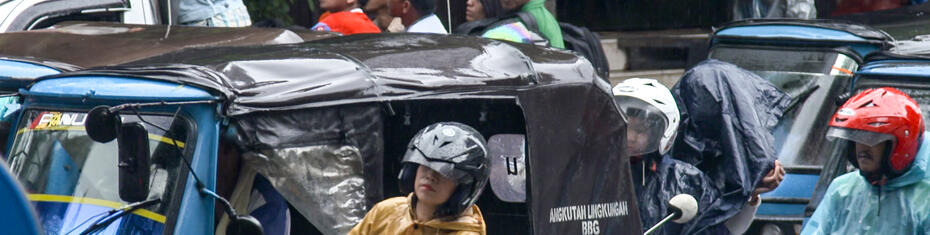
In Jakarta, there is still a lack of awareness of e-bus technology and its benefits. As a result, there are still limited policies covering the transition to electric mobility in Indonesia. The government does not have targets or road maps for e-bus deployment and has long used the same business model for public transport development. The fiscal incentives, procurement, and cost of charging infrastructure are still uncertain. Air pollution has worsened due to the continued use of fossil fuel for vehicles. Additionally, transport policies and infrastructure mostly have not provided for gender inclusiveness.
CTCN Support
The initial implementation of e-bus infrastructure in Jakarta will be provided by Transjakarta, the regional-owned company which operates the largest bus rapid transit (BRT) system in the world. Transjakarta is implementing a pilot project of 100 e-buses and will later implement full electric bus fleets in 2030 as stated in their long-term plan. Although the deployment plan and pilot have been developed, several aspects are missing that would guide a step-by-step action plan to implement this procurement target. Therefore, CTCN technical assistance was requested to fill this gap by providing the roadmap and timetable of e-bus deployment with an intention to smooth its transition to the electrification program. The CTCN is working closely with relevant stakeholders in e-mobility ecosystems to prepare a list of recommendations to accelerate the large scale e-bus deployment for Transjakarta’s BRT and Non-BRT services, including a list of policy recommendations, pilot project evaluation matrix, charging strategy and operational plan, road map of implementation, investment plan and business model, GHG reduction assessment, assessment on renewable energy adoption, and grid assessment.
Expected Impact
The recommendations from this TA can be used by Transjakarta as guidance for implementing large scale e-bus deployment. The estimated GHG emissions reductions will support the government in justifying the plan to reduce emissions through the use of electric vehicles in the transport sector. Electric vehicles can reduce air pollution and bring public health benefits. The technical assistance will ensure that accessibility, safety, and labor provisions have been considered, especially for women, children, and people with disabilities. The outputs can also be adopted in other cities seeking to deploy electric buses for their urban transport services. The technical assistance is contributing to the achievement of Indonesia’s NDC, which has an unconditional GHG emissions reduction target of 29% and a conditional 41% reduction by 2030 compared to business-as-usual, to be implemented through five sources of emissions, namely energy, which includes the transport sector.


