Background
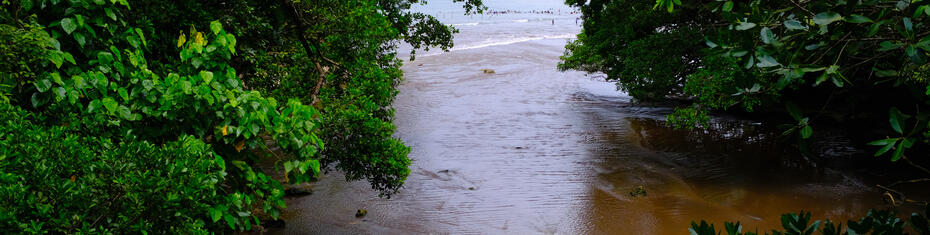
The overuse of wood energy has led to the destruction of lagoon banks, causing ecological imbalances in these complex ecosystems. This has resulted in a sharp decline in water productivity, with significant ecological and economic consequences such as reduced fishing yields, siltation, loss of wood energy sources, and rising unemployment. In response, women fish processors and coconut producers, organized into cooperatives since 2019, together with other local actors, have initiated reforestation along the banks while promoting the rational use of existing and restored ecosystem services. The project will be implemented along the Gbaga channel in Southeastern Togo, specifically in the villages of Agbanakin, Togbagan, Zanvé, and Togokomé, where 15 hectares of land have been designated for reforestation. The initiative directly targets women and youth, including fish processors, coconut processors, and fishers (around 5,258 people), while indirectly benefiting over 115,000 inhabitants across the Lakes region.
Mangrove ecosystems within the Transboundary Mono Biosphere Reserve are of high ecological, social, and economic value, providing vital goods such as wood, fish, and crabs that sustain local livelihoods. However, unsustainable exploitation, primarily driven by poverty and the lack of alternative income opportunities, has severely degraded these ecosystems, threatening their long-term sustainability and productivity. Studies linked to Togo’s Fourth National Communication on climate change highlight that agriculture, forestry, and land use (28%), along with energy (16%), contribute significantly to national GHG emissions, while renewable energy penetration in rural areas remains negligible. Current mangrove restoration efforts are fragmented and poorly adapted to local realities, and women fish processors, in particular, continue to rely heavily on mangrove wood for fish smoking due to inadequate conservation infrastructure, resulting in both environmental degradation and health risks.
CTCN Support
Through this Technical Assistance, the project seeks to strengthen community resilience by supporting the restoration of mangroves along the Gbaga channel and in Togokomé, in collaboration with women’s groups and fishers. The technical assistance will provide awareness-raising and training for local populations on mangrove restoration techniques and sustainable conservation practices. It will also support capacity building for women fish processors on environmentally friendly fish preservation methods, thereby reducing reliance on mangrove wood for smoking. Additionally, the technical assistance will support local authorities in developing and enforcing regulations for sustainable mangrove resource management.
Expected Outcomes
The technical assistance is expected to restore and protect mangroves along the Gbaga channel and Togokomé, reducing environmental pressures and promoting the sustainable use of natural resources. By introducing improved fish conservation technologies, women and youth will benefit from safer, more profitable livelihoods, with reduced health risks and strengthened economic resilience. These efforts will contribute to poverty reduction, gender equality, and the sustainable management of local ecosystems, while also supporting Togo’s broader climate and development objectives.
Seeking Experts
The CTCN invites qualified experts and firms to submit Expressions of Interest (EOI) to participate in this initiative. For further information on this opportunity, visit the UN Global Market Place (UNGM) or the UN website.
If you are not yet a member of the CTCN Network, you can apply to join here.


