Background
Nepal is highly vulnerable to climate change despite contributing only around 0.04% of global greenhouse gas emissions. The country is already experiencing glacier melt, floods, droughts, and hydrological variability that threaten food security, water resources, infrastructure, and economic development. Agriculture remains central to Nepal’s economy, yet the country relies almost entirely on imported urea fertilizer, with annual demand estimated at around 800,000 metric tons. This dependence creates a significant fiscal and foreign exchange burden and highlights the need for more sustainable and domestic fertilizer solutions.
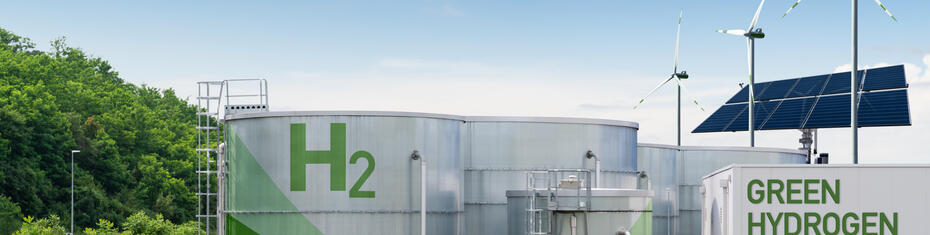
At the same time, Nepal has significant untapped hydropower potential, with only a small share of its estimated 120,000 MW generation capacity currently developed. To address fertilizer security and industrial decarbonization, the Government of Koshi Province has initiated an integrated Green Fertilizer project combining renewable-electricity-based hydrogen production, carbon capture and utilization from the Udayapur Cement Factory, and low-carbon urea synthesis under a public-private partnership model. However, Nepal still lacks a comprehensive feasibility assessment covering the technical, financial, regulatory, and institutional dimensions required to advance the project toward implementation and investment mobilization.
Limited technical capacity, insufficient standards and regulatory frameworks, and fragmented stakeholder coordination continue to constrain progress on green hydrogen and low-carbon fertilizer development in Nepal. While previous studies have explored fertilizer production and hydrogen opportunities, no integrated and investment-oriented feasibility study has yet been conducted. This technical assistance will address these gaps by providing an evidence-based foundation for future implementation, investment, and policy development.
CTCN support
CTCN will support Nepal by conducting a comprehensive feasibility assessment of the proposed integrated green fertilizer project, including renewable hydrogen production, carbon capture and utilization, and low-carbon urea synthesis. The assistance will assess technical, economic, financial, institutional, and regulatory aspects of the project and identify suitable implementation pathways, business models, and investment opportunities.
CTCN will also strengthen stakeholder coordination and national capacity through technical knowledge transfer, consultations, and policy recommendations. The support will help identify gaps in standards, safety guidance, and regulatory frameworks related to hydrogen production and industrial integration, while supporting the development of enabling conditions for future investment and project implementation.
Expected outcome
The expected outcome is improved national capacity and evidence-based decision-making for green hydrogen-based fertilizer production in Nepal. The technical assistance will provide a validated feasibility basis for an integrated low-carbon urea project, strengthen stakeholder coordination and policy readiness, and support pathways for future investment, implementation, and replication.
Seeking experts
The CTCN invites qualified experts and firms to submit Expressions of Interest (EOI) to participate in this initiative. For further information on this opportunity, visit the UN Global Marketplace (UNGM) or the UN website.
If you are not yet a member of the CTCN Network, you can apply to join here.


