SF₆ Knowledge Hub


Switching power grids off the most potent greenhouse gas

Sulphur hexafluoride (SF₆) is widely used in power grids to insulate high- and medium-voltage equipment. It is also the most potent greenhouse gas known. As grids expand, so does the risk of emissions.

This knowledge hub brings together CTCN’s technical assistance, projects, guidance materials and partnerships supporting developing countries in managing SF₆ safely and moving to SF₆-free technologies. It also provides entry points for stakeholders to learn, engage and access CTCN support.
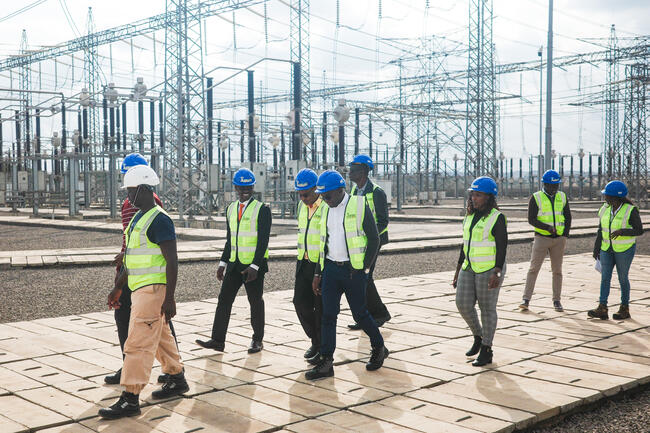

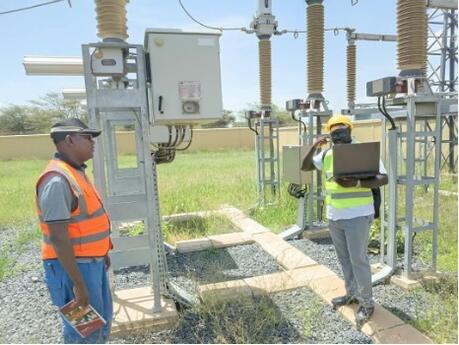
Substation visit Kenya
 
 
Image


Where SF₆ is used 

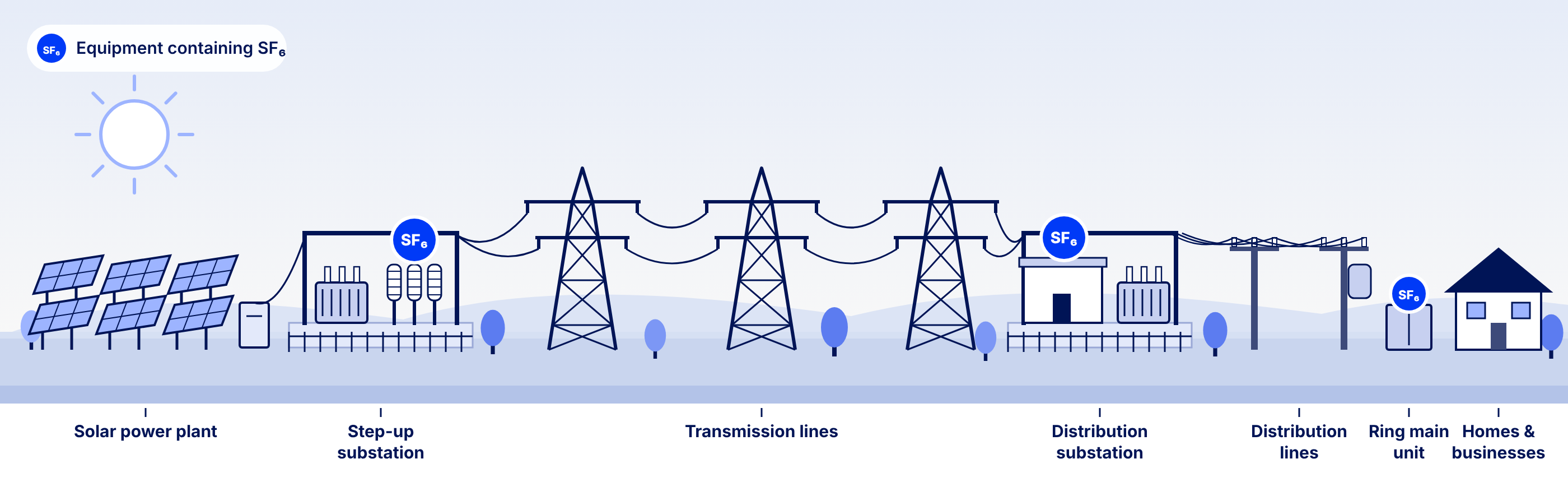
In power grids, SF₆ is used in switchgear and circuit breakers to insulate live parts and stop electric arcs. It is found all along the grid, at both high and medium voltage.

At high voltage, SF₆ is used in transmission substations, often in compact gas-insulated switchgear holding up to several hundred kilograms per unit. At medium voltage, it is found in distribution substations and ring main units that supply homes and businesses, with smaller amounts per unit but in very large numbers.

The gas is sealed inside the equipment, but it leaks at installation, during operation and at end of life. Such equipment is usually in use for 30–40 years, so small leaks over its lifetime, combined with poor decommissioning, can add up to significant emissions.
Image


Impact

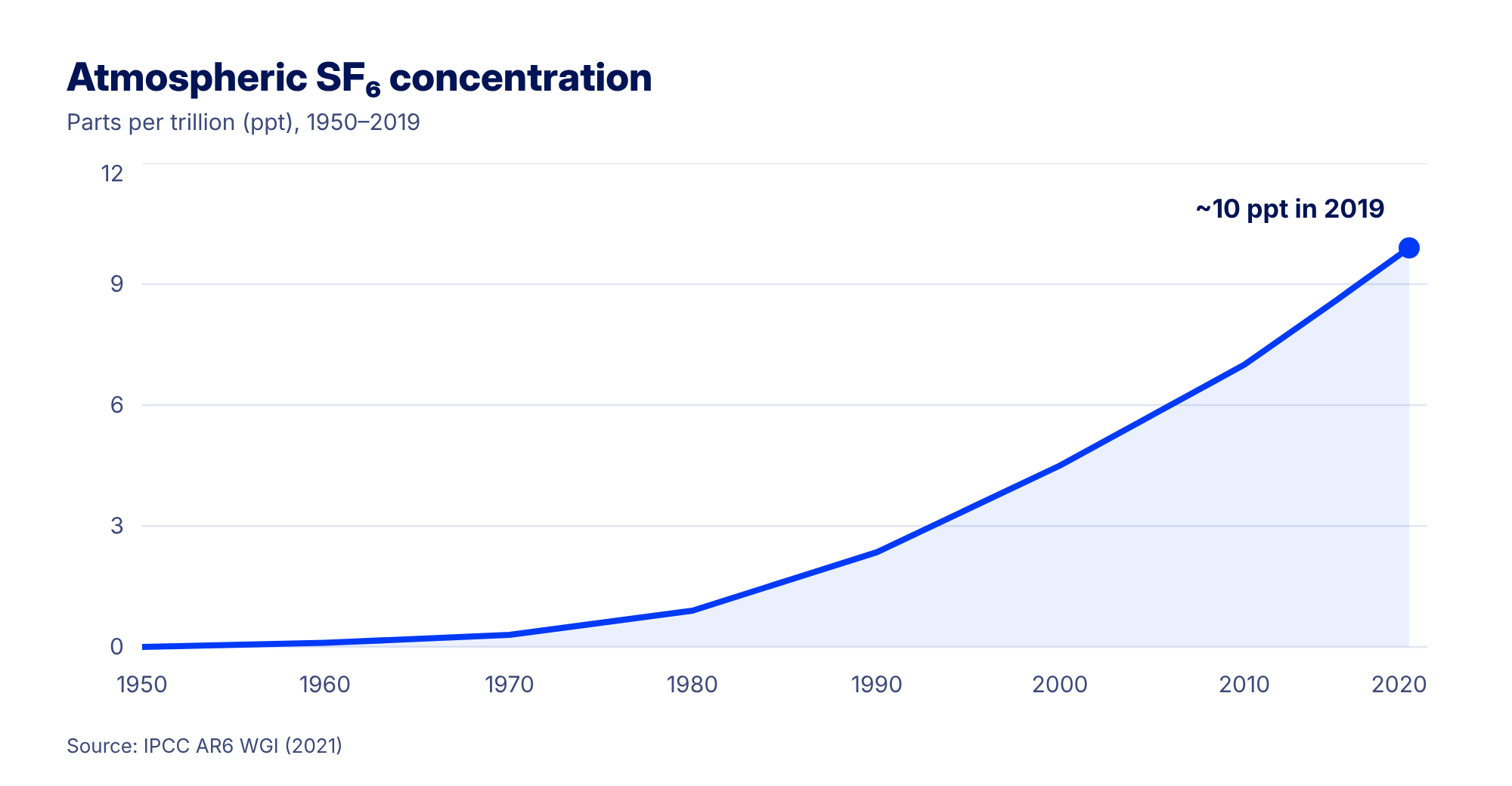
1 kg of SF₆ warms the planet as much as 24.3 tonnes of CO₂, roughly a car's lifetime of petrol. Because it stays in the atmosphere for about 1,000 years, that warming is effectively irreversible.

The bigger risk lies ahead. Power grids are expected to more than double in length by 2050 (IEA), and much of this growth will happen in developing countries. Electricity demand is rising quickly with population growth, urbanisation and industrial development.

Every new substation built with SF₆ adds to a growing bank of gas that can leak for decades. Choices made in today’s grid expansion will lock in, or avoid, these emissions.
Image


Mitigation options

SF6 safe management practices
Safe management of existing SF₆-containing equipment
Safe management reduces emissions from equipment already in operation, which typically loses 0.7–2.5% of its SF₆ every year. Good practice includes regular leak detection, preventive maintenance, certified handling and a clear inventory of all SF₆ in the grid. At end of life, the gas should be fully recovered, recycled or disposed of through licensed facilities, and reported through a monitoring, reporting and verification (MRV) system. In the European Union, the United States and Japan, these practices are well established and largely required by regulation. They are also increasingly adopted by utilities in developing and emerging economies.
SF6 free technologies
Installation of SF₆-free equipment
SF₆-free technologies avoid the problem in new equipment altogether. Vacuum circuit breakers and alternative insulating gases (such as clean air, or low-impact mixtures based on fluoronitriles or fluoroketones) are commercially available today, from medium voltage (1–52 kV) to high voltage (up to 420 kV). They remove the need for gas handling and leak management, and can lower lifecycle costs. In the European Union, SF₆-free equipment is becoming standard practice, as SF₆ in new switchgear is being banned step by step between 2026 and 2032. SF₆-free equipment is also increasingly installed in developing and emerging economies, including China, Colombia, Saudi Arabia and South Africa.

Projects

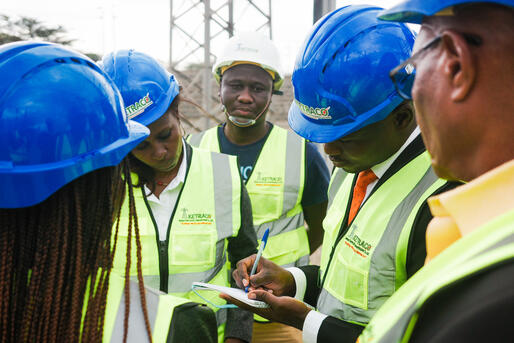
Substation visit Senegal
Senegal (2026-2027)
SF₆ inventory and emissions for Senelec, safe management practices, assessment of SF₆-free technologies, development of a transition plan, and an SF₆-free pilot unit.
SF6 Kenya substation visit
Kenya (2024-2025)
National SF₆ inventory and MRV framework, safe management guidelines, assessment of SF₆-free technologies and a national phase-out roadmap.

News and Resources

SF6 substation
Germany provides €1 million to the UN Climate Technology Centre and Network for climate technology solutions that drive real GHG emission reductions
30 January 2025 - Germany provides a €1 million voluntary contribution to the multi-donor trust fund of the CTCN, to support its third Programme of Work (2023-2027).
Kenya Sf6 project
Kenya Pioneers SF6 Phase-out
5 Sept 2024 - Kenya leads the way as the first African and developing country globally to phase out sulfur hexafluoride (SF6), the most potent greenhouse gas with a Global Warming Potential (GWP) of 24,300, mostly used in electricity grids.
Kenya Sf6 project
Global Collaboration at COP28- Advancing Phase out
3 December 2023 - Participants convened at a side event during COP28, delving into detailed discussions on the regulatory, technological, and developmental aspects of phasing out SF6 in developing countries, hosted by UN CTCN in collaboration with NDE of Germany.
Kenya Sf6 project
Embracing SF6-Free Technologies: Paving the Way to Net-Zero Energy Systems
2 August 2023 - The UN CTCN and the NDE of Germany, hosted a three-day learning exchange on Technologies for Decarbonization of Electrical Transmission and Distribution Grids through F-gas Regulations and Policies, together with the German Ministry of Economic Affairs and Climate Action.

Partners

Image
SF6 partner logos