The EU-funded Climate Change and Security Programme tackles two interwoven challenges:
Climate change leads to instability. Unpredictable weather and increased severe events (such as cyclones, heat waves, floods and droughts) challenge humanity’s way of life, particularly for those who are most vulnerable. Whilst a changing climate may not directly cause conflict, it indirectly pushes people into tension as they escape natural disasters or venture into unfamiliar lands in search of better conditions.
Insecurity decreases resilience against climate shocks. Communities already living in conflict are not well prepared for the compounding effects of natural disasters.
Thus, climate change and security are inexplicably linked, and communities face prolonged crises when the two combine. The longer a crisis lasts, the bleaker the prospects become for affected people.
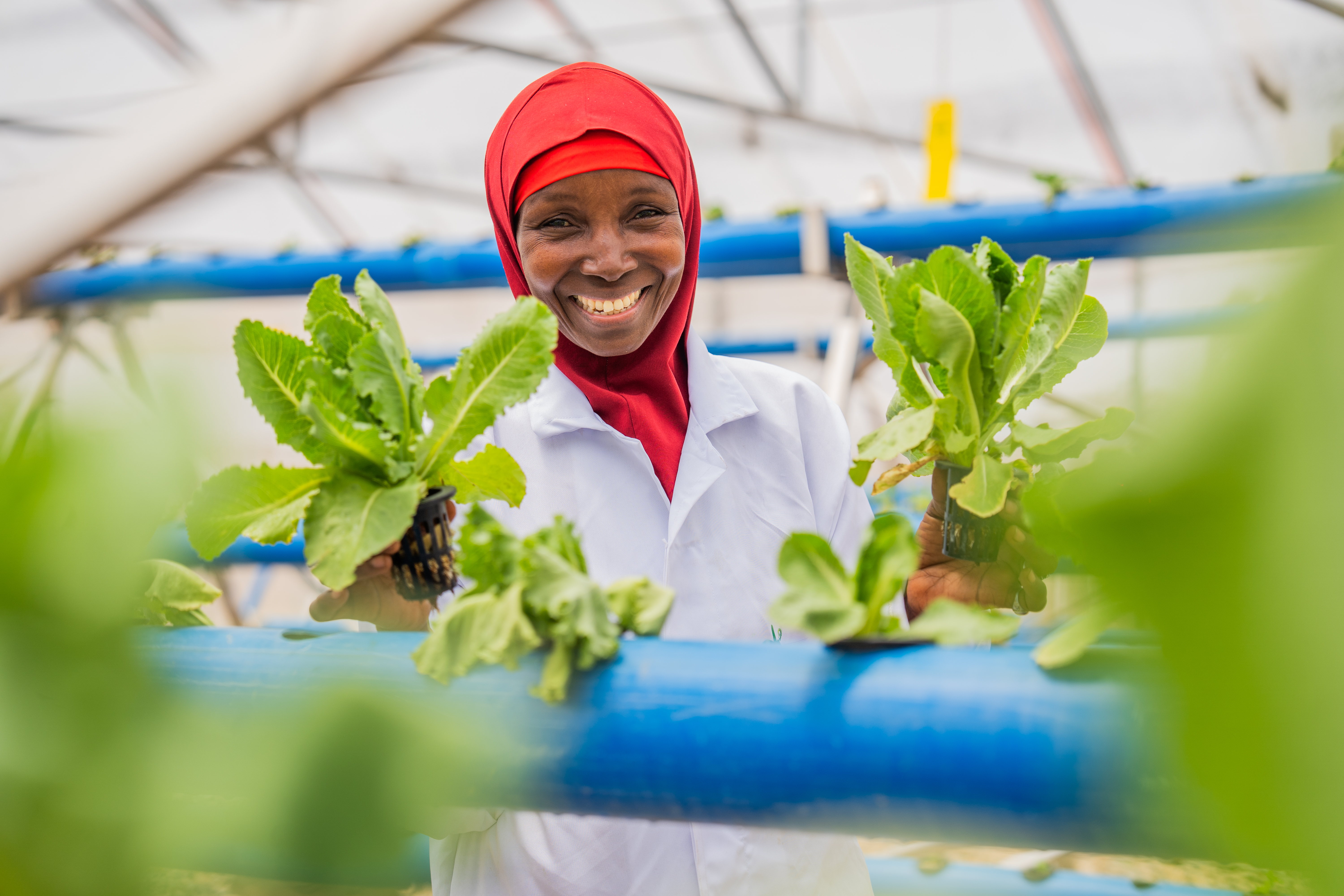
This Impact Report describes how the Climate Change and Security Programme has implemented 10 pilots in developing countries, to help fight climate change while strengthening the resilience of poor and vulnerable communities faced with insecurity on the ground. The countries and pilots are: Burkina Faso Solar energy, Cameroon Synecoculture, CAR Solar cookers, Chad Solar-powered water pumps, Colombia Mangrove restoration, Haiti Inflatable biodigesters, Mali Solar cookers, Nigeria Hydroponics, Sudan Rainwater harvesting, and Zimbabwe Mopane worms.
This is their story.
Impact Report:
Technology Fact Sheets:
- Solar Cooking:
- Rain Harvesting:
- Hydroponic Farming:
Roadmaps:
- Community led Innovation
- National Systems of Innovation